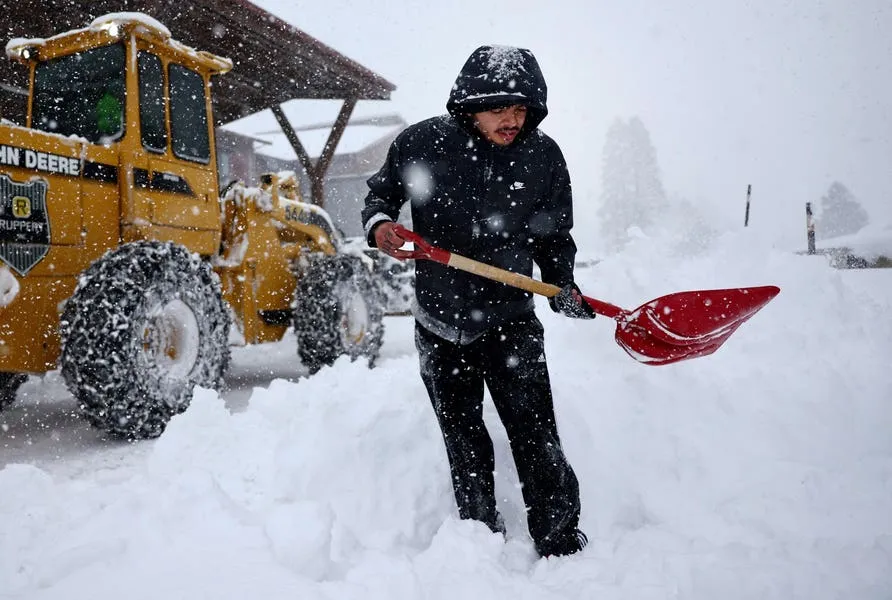
A big storm is shaping up this weekend, taking aim at much of our country from Friday through Sunday. It will bring heavy snow, ice, bitter cold and likely power outages. There is an extreme cold warning in Chicago, and in parts of Wisconsin, Michigan and Iowa. During and after any storm, following basic winter storm safety tips are important to keep yourself and loved ones out of the ER.
Here's something that might surprise you. ERs are actually are quiet during a storm. People hunker down. Then, in the hours and days after, there is a predictable (and often preventable) wave of patients.
Cardiovascular admissions jump 23% after a heavy snow. Cold-related visits soar and stay high. Falls spike by 18% in the week after a moderate snowfall. Ice storms, in fact, are more dangerous that snowstorms when it comes to injuries and illness. When a storm knocks out the power, the threat multiplies.
Here are six tips to avoid becoming an ER patient after the snowfall ends.
1. Carbon Monoxide Poisoning Can Hit Fast
When the power fails, carbon monoxide can become a silent killer. Generators sometimes run too close to (or inside) the house. Grills/camp stoves are sometimes used indoors. Snow can block furnace vents causing backdrafting or when people use ovens and gas burners for heat.
Mild carbon monoxide exposures cause symptoms of fatigue, dizziness, headache and nausea. This can mimic having a viral infection which can sometimes be misdiagnosed. More severe poisonings are easier to spot, causing disorientation, unconsciousness, seizures and even death.
If you take away nothing else: keep your generators outside -- far from doors, windows or vents. Don't drag your generator into the garage, not even "just for a bit." Carbon monoxide can rapidly cause severe symptoms before you even know what's happening to get away. Working detectors are a must.
2. Shoveling Snow Is A Heart Stress Test (And Some People Fail).
This is one of the biggest post-storm dangers. Snow shoveling sends an estimated 11,500 people to U.S. ERs every year. Cardiac events are the most serious concern accounting for every one of the 1,647 shoveling-related deaths tracked over a 17-year study.
Shoveling is hard on the body, especially the unconditioned one. Cold air tightens blood vessels and sudden, heavy, repeated lifting spikes heart rate and blood pressure.
If you must shovel, treat it like a serious athletic event. Pace yourself, take frequent breaks and lift small amounts of snow. If you feel any chest pressure, unusual shortness of breath, nausea or pain spreading to your arm or jaw -- stop. Call for help. Pushing through or delaying care is how tragedies happen.
3. The Ice On The Ground Is Literally Trying to Kill You
The data on post-storm falls is dramatic. A Philadelphia study identified 15 "high-fall days" over 5 winters. Recent snow made fall injuries 13.4 times more likely compared to control days.
Injuries related to slips on the ice tend to follow similar patterns. Doctors call them "FOOSH" injuries, or a "Fall On an Outstretched Hand." These cause broken wrists and twisted ankles. When the hand misses, head injuries can occur, which can be sometimes be deadly, especially for older adults
Here's some boring but effective advice. If you need to step out on the ice, walk like a penguin. Take short steps, feet slightly apart. Don't rush. If you have older family or neighbors, remind them to stay put until paths are fully clear. Even a minor slip can bring you to the ER or worse.
4. Thinking About Driving While It's Icy? Think Again.
The most dangerous travel often comes after the snow stops. That's when the black ice forms. Thousands of crashes and hundreds of fatalities happen each year on snowy or icy pavement.
If you can wait, let road crews do their work. If you must go out, slow down. Leave a large following distance and avoid sudden moves. Keep your gas tank above half and pack a winter kit just in case: blankets, food, water, a flashlight.
And don't forget. If you get stuck, clear your tailpipe before running the engine to stay warm.
5. Cold Injuries Can Sneak Up On You
Hypothermia doesn't just happen to mountain climbers. Cold-related hospital admissions were found to jump 3.7-fold on high-snowfall days and stayed elevated for nearly a week according to a 2017 study in The American Journal of Epidemiology.
Cold can cause many problems that can land people in the ER, including frostbite and hypothermia. Frostbite symptoms depend on tissue injury depth and range from superficial injuries like numbness, tingling or waxy skin to clear blisters and pink tissue. Severe injuries can lead to blackened, dead tissue.
Hypothermia often begins with feeling chilled and shivering. But as reserves become exhausted, shivering stops and body temperature continues to fall. The very young, very old and those with impaired temperature perception or regulation face the highest risks.
When it comes to cold injuries, don't tough it out. If you suspect frostbite, don't rub the area. Warm it gently and seek care. If someone is confused, slurring words, or unusually drowsy in the cold, it's time to call for help.
6. Storms Are A Time To Check In On Each Other, Particularly The Vulnerable
Check on older neighbors, people living alone and anyone without reliable heat or backup power. Outages and storm hazards hit marginalized and under-resourced communities the hardest, amplifying every other risk.
A simple call or text can save a life. Ask: "Do you have heat?" and "Do you have a safe way to cook and charge your phone?" If the answer is no, help them problem-solve before the storm worsens.
Ultimately, storm risk doesn't end when the snow stops. Consider implementing these few, simple winter storm safety tips, take care of yourself and check on someone who might be stuck in the cold.