Waking in a cold sweat, it took me a good half an hour to realise the dream had been just that - or, more accurately, a nightmare.
Had I really gone out drinking and snorted line after line of cocaine, ending up passed out in bed, unable to move?
Surely not. After all, by this stage I'd been in recovery from my addiction for weeks, and my sobriety was a precious thing.
But the brain plays tricks on you when you're recovering from severe drug addiction, and these dreams are all too common.
It's now been a year since I faced my crippling cocaine addiction head on. It had robbed me of my career, my looks and my self-respect - and I had even attempted to take my own life.
To use the cliche, recovery has been a journey, full of highs I'd never have imagined possible, and sacrifices I never thought I'd have to make. Now, for the first time in years, I'm finally ready to say I will never use again.
Between the ages of 23 and 29, I was hooked on the Class A drug, to the tune of £500 a month.
It had started in the summer of 2019. Until then, while I'd enjoyed a drink and socialising with friends, I'd never touched drugs. If anything, I was scared of them.
Then one night, out in Manchester with a new friend, she offered me a line in the toilets. Her social circle seemed so glamorous, and I wanted to fit in, so I tentatively accepted.
Immediately, I felt energised and confident. To the extent that I drank far less than usual; the next day I didn't even have a hangover.
And so a line or two soon became as normal as a couple of cocktails with my girlfriends. I began a relationship with a man who also used, and my habit quickly went from a few lines on an evening out to snorting the drug on the sofa.
Soon, if I didn't use, I'd feel lethargic and paranoid. I needed cocaine to survive any social situation, even Sunday lunch with my family. I'd been working freelance as a social media manager, but I lost clients as I'd repeatedly call in sick after a binge. Soon I was reliant on Universal Credit to pay the bills - and my dealer.
I hit rock bottom in December 2024. A close friend died suddenly. Cocaine had become my way of dealing with difficult emotions, but this was too much.
Two months later I tried to take my own life. I couldn't see any way out of the misery and anxiety I felt, or the debt to my dealer.
It might sound shocking but that suicide attempt was the beginning of a new start for me.
I was sectioned, and had to come clean to my family about the extent of my addiction. They were shocked but it explained my irritable behaviour and increasing isolation over recent years.
The hospital was an eye-opener. There was me, a respectable 29-year-old from a middle-class suburb of Manchester, surrounded by people handcuffed to beds and writhing on the floor.
The mental health team set me up with a counsellor, who said that I probably had undiagnosed ADHD. This is hugely common in cocaine addicts, especially women.
I was discharged into a recovery programme in my community and started attending Cocaine Anonymous meetings each week.
It was here I realised that cocaine addiction really can touch anyone. I found myself sitting in a circle with business owners, lawyers and chief executives—many of them women and mothers—ranging from their 20s to 50s who had fallen into the drug's clutches. Dinner parties, mums' coffee mornings, offices, bars—cocaine is everywhere that women gather.
While these support networks proved a lifeline, I'd be lying if I said recovery was easy.
The first week was the easiest, fuelled by my new zeal for sobriety. But by the end of the second week, I'd had my first relapse. I was meeting up with friends and convinced myself I deserved a 'treat' for having lasted so long. I told myself the fact I was doing it with friends rather than alone made it fine.
I woke up feeling horrendous. Filled with shame, I had to tell my mum, who was understandably distressed.
This is my greatest advice to anyone supporting someone going through recovery: you need to be kind but don't let your kindness bleed into permissiveness.
After a couple more relapses over the following months, Mum told me in no uncertain terms that while she loved me and supported me, if I kept using I'd have to find somewhere else to live.
Staying with my parents during my recovery has given me incredible stability, so this was a real wake-up call. I couldn't risk her throwing me out - to be honest, I don't think I would have stopped if it wasn't for them.
My recovery programme knew about every relapse. It's a system built on honesty and support, and they encouraged me to keep going, and that a relapse didn't constitute failure.
In terms of physical effects, the anger and irritability I felt when I couldn't get cocaine during my active addiction heightened, but I grew out of that in a few months.
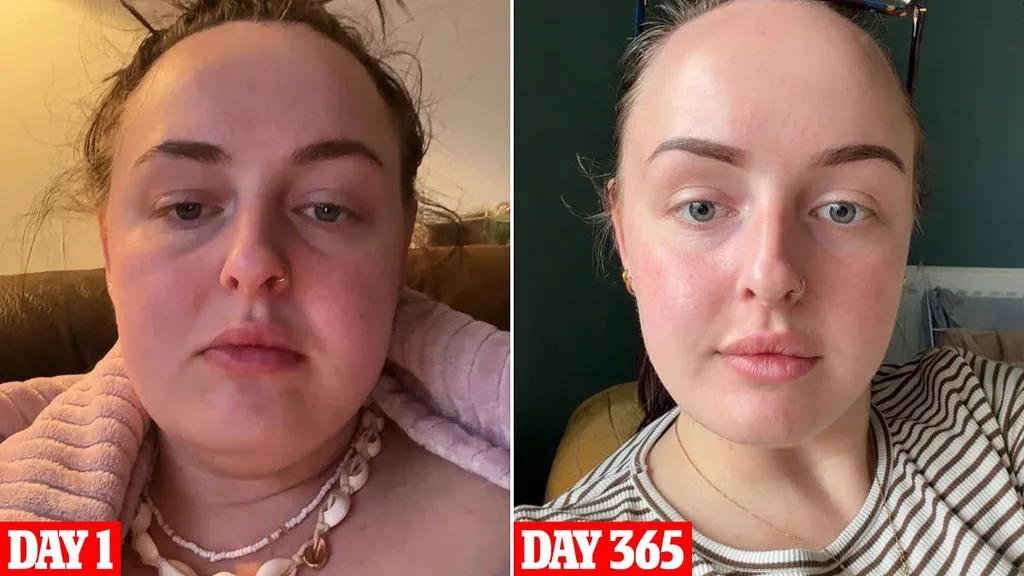
People assume that cocaine keeps you slim, but I actually lost a significant amount of weight when I stopped using and my skin improved. My cocaine use had always gone hand in hand with drinking and socialising, and when I was on a comedown I'd binge on three takeaways a day.
I started sleeping better, too. I don't remember a time in my addiction when I wasn't anxious, and that affected people around me. The biggest difference my parents say they've noticed is I'm finally a nice person to be around. Before, I used to lie all the time; avoiding family gatherings in order to hide my habit.
My first full month without using was an incredible milestone. It finally felt like I'd accomplished something; seeing how proud my parents were spurred me on.
Still, recovery isn't linear. I still count myself as one year sober despite several relapses. In recovery circles they say it takes an average of seven relapses before you fully kick a habit—and I can now safely say I'm done with it for good.
Where I used to rely on cocaine to cope with emotional turmoil now when I want to use (and yes—the instinct is still there) I go to my mum and we go for a walk or out for coffee—any little thing to distract my mind and get me out of the thought spiral.
They say too that one addiction is always replaced with another and I confess I’m now a prolific online shopper. Sadly any money I’m saving on coke binges is going on clothes—but at least this is healthier.
You might be wondering why my friends didn’t stop me from using whenever I relapsed knowing the havoc cocaine wreaked on my life. But I realised they’d only ever been fair-weather friends.
It’s why a month ago I took the difficult decision to cut them off.
I’ve always struggled making friends so it wasn’t easy to lose them but having blocked them and moved on I feel free.
Relationships too are off the cards for me now. I’d had toxic boyfriends through my 20s with relationships reliant on heavy cocaine use. Now I’m entering my 30s excited to be single and discover who I am without men or drugs. I’ve definitely got a fear too of anything derailing my stability.
Recovery has already given me so much. My addiction had harmed my relationships with my mum dad and sister yet now we’re closer than ever and I credit them completely with keeping me stable. I’m due to start therapy too to address the underlying issues that might have led to my addiction.
I’m back in full swing working as a social media manager again too. I feel so proud of myself.
When I look back at photos of me a year ago I’m almost unrecognisable. I was in survival mode; my face bloated and my skin dull. Now my appearance reflects how I feel inside: healthy and glowing.
I want my story to show others the dangers of cocaine use and why you should never succumb to peer pressure to use it—but that if you do there is a way out. My mission is to always be honest about my addiction—because yes once an addict always an addict—and show that recovery doesn’t need to be perfect for it to count.
While I would never wish my years of suffering on anyone I truly believe I was meant to go through it so I could help others in the same position. There’s always a way out; you just need to be shown the light.