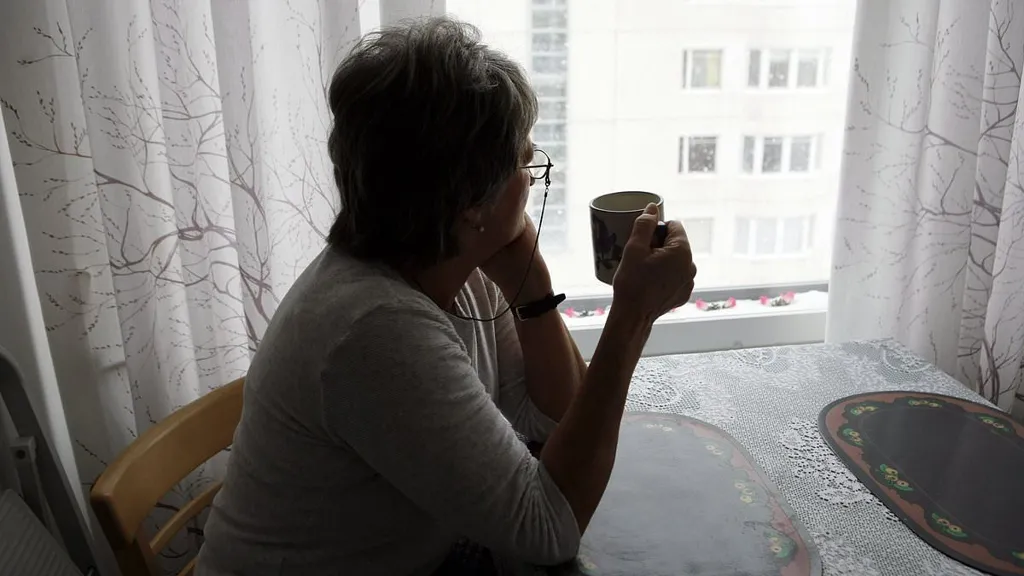
Q: I have been married for nearly 60 years. I met my husband when I was only 17. He has had many affairs and I was largely left to bring up our two children without help as he was rarely home. I had nowhere to go, so I forgave him and carried on.
I am now in my late 70s and in good health. My husband is 84 and I have to do everything for him - cooking, cleaning and reminding him to take his medication. I do love him, but he cannot even turn on the television and expects me to be his IT consultant. This causes me sleepless nights and is a constant stress. We no longer go on holiday as most things are beyond his capability. I cannot go on my own because he could not manage alone.
I'm starting to resent all that I do for him and feel trapped. Our two children are very good, but I prefer not to discuss this with them. It has taken them a long time to love their father.
I'm starting to resent all that I do for my husband and feel trapped, our reader says in her letter
A: This has all been very hard for you. Your husband has not been an easy man to love, and he has not acted lovingly. Sadly, it seems you stayed for many years only because you felt you had no choice. It really is time to begin putting some of your own needs first. I know this will not be easy, but it is essential if you are to protect your health and peace of mind in the years ahead.
From what you have described, your husband may be experiencing cognitive and physical decline. If this has not already been assessed, it would be wise to raise your concerns with his GP, who may suggest a referral to a memory clinic. Organisations such as Age UK can help you explore what support may be available, such as Attendance Allowance or Carer's Allowance, which might allow you to pay for a few hours of help every week.
You also mention just how overwhelming modern technology has become, but there are charities that have networks of volunteers who can help, sometimes even making home visits. AbilityNet, Action for Elders and Age UK are three such organisations so do look into this.
Carers cannot continue indefinitely without respite. If finances allow, consider paying for live-in care for a short period of time so that you can take a holiday. Your husband won't like it, but he will be fine and if you don't take breaks, you will become ill yourself.
Finally, I would urge you to reconsider your decision not to talk to your children. They are grown adults, they love you and I am sure they would be deeply upset to know that you are struggling in silence.
Q: I can't get over my guilt. My dad died two weeks after Christmas and I hadn't seen him in almost two years. He lived in Australia, where I grew up. I left years ago to travel, eventually settling in London, where I now live and work - I am married to an English woman. My dad had been ill for some time, but his death was not expected.
We had planned to visit this March because flights at Christmas are too expensive. However, his health suddenly deteriorated and he was admitted to hospital, dying just three days later. My sister was with him, so he wasn't alone, but I feel devastated and selfish that I wasn't there, too.
A: I'm very sorry for your loss and for the anguish you carry. Please be gentle with yourself: this grief is still new and overwhelming. Guilt is an almost universal companion to bereavement, regardless of the circumstances, and distance only sharpens it. I know many people who find living miles away from elderly parents so painful. Choosing to travel when flights were more affordable was not selfish; it was entirely sensible.
The final hours of a life, when your father may not have been fully aware, cannot outweigh a lifetime of love, connection and shared history. If guilt has any meaning, it is as proof of how deeply you loved your father, and I am sure he knew that. This is what matters. Bereavement counselling might help you by connecting with others who understand this pain.