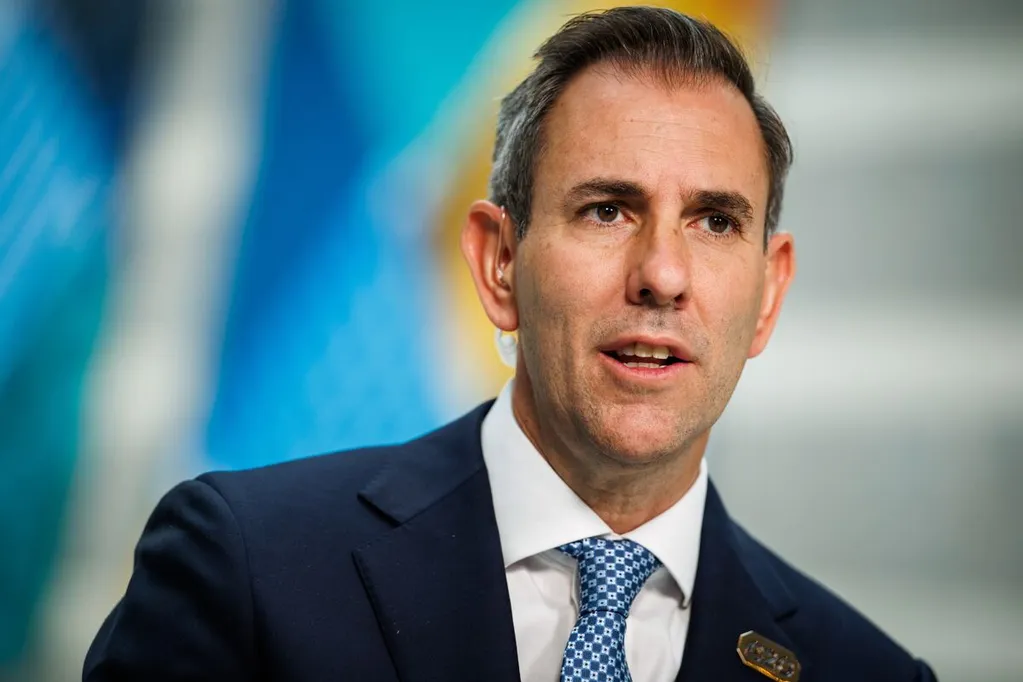
Australian Treasurer Jim Chalmers warned the global economy faces a "really dangerous moment" as the Middle East conflict threatens to accelerate inflation and drag on activity, complicating the outlook ahead of his delivery of a pivotal budget next month.
"The fallout from the war in the Middle East is already serious and it risks becoming severe," Chalmers told Bloomberg TV on the sidelines of a Group of 20 meeting in Washington. "Like almost every country here at the G-20 meetings, Australia is expecting to see higher inflation and slower growth as a consequence of what's happening in the Middle East."
The comments underscore rising concerns about stagflation and the challenge Australian authorities face as the Reserve Bank weighs whether to deliver a third consecutive interest-rate increase at its next meeting to take the cash rate to 4.35%. That decision is due a week before Chalmers hands down the federal budget. The twin events are set to define the near-term policy mix as officials try to contain inflation without derailing the economy.
"From an economic point of view, we want to see an end to this war because Australians are paying a hefty price for it at the petrol bowser," Chalmers said.
Data on Thursday showed Australia's economy was on a strong footing before the war began with unemployment still low at 4.3% and job gains persisting.
More recent surveys, however, highlight the effects of the war -- Australian consumer sentiment tumbled the most since 2020 in April while business confidence nosedived in March on soaring fuel prices and higher borrowing costs. The reports, released this week, sparked fears of stagflation in the economy -- a combination of rising prices and weak activity.
The treasurer struck a cautious tone on the budget outlook, highlighting the uncertainty tied to geopolitical developments, saying he's not complacent about how the coming months will play out. He reiterated that the budget will prioritize fiscal discipline alongside targeted support.
"Certainly in terms of making sure that the budget is really focused on three things -- responsibility, restraint and reform -- I'm confident that we can strike a series of fine balances," Chalmers said, adding that cost-of-living relief would be calibrated carefully.
Housing will remain a central plank of the government's agenda as affordability pressures intensify, Chalmers added.
"We don't have enough homes in Australia. We're very focused on making sure that we can build as many homes as possible to deal with this shortage, which is built up over a long period of time," he said. "Housing will be a key focus in that budget. It has been of the government's first four budgets, and it will be a big focus of the fifth."