British American Tobacco Plc warned South Africa's government for years that it would be forced to end production there if illegal cigarette sales weren't stamped out, according to the chief executive officer.
Last month, the maker of Dunhill and Pall Mall cigarettes followed through on its threat and announced plans to shut its sole factory in South Africa by the year-end. Instead, BAT will rely on imports for South Africa, where the tobacco-maker can trace its roots back more than a century.
"They cannot say they didn't know," said CEO Tadeu Marroco in a phone call with Bloomberg News Thursday. "Every time we did a downsize, we went back to the government and said, 'look we are doing all we can'," he said, adding that the problem was never effectively addressed.
The facility, located in the province of Gauteng, has been operating since 1975 and is BAT's eighth-largest worldwide. It employs about 230 staff, whose future will be determined through a consultation process.
Illicit cigarette trade in South Africa has been on the rise for more than a decade. During the so-called state capture era under the nine-year presidency of Jacob Zuma that ended in 2018, South Africa's enforcement institutions were systematically weakened. The revenue service and prosecutorial bodies lost leadership, skills and independence, eroding oversight in high-tax sectors such as tobacco. As enforcement capacity fell, illicit manufacturers expanded, under-declaring production and avoiding excise duties, accelerating the growth of a parallel cigarette market.
The destabilization of the South African Revenue Service was pivotal too. Once a strong tax authority, it lost specialist units and experienced investigators, creating space for organized networks to scale. Untaxed cigarettes rapidly gained share, undercutting compliant producers such as BAT and costing the state billions in foregone revenue.
Covid made the situation worse. Marroco said the company had alerted President Cyril Ramaphosa's government that a decision to ban the sale of alcohol, tobacco and vaping products for several months in 2020 would boost the country's already substantial illegal cigarette market. At the time, BAT South Africa tried to overturn the ban, which was aimed at containing the pandemic.
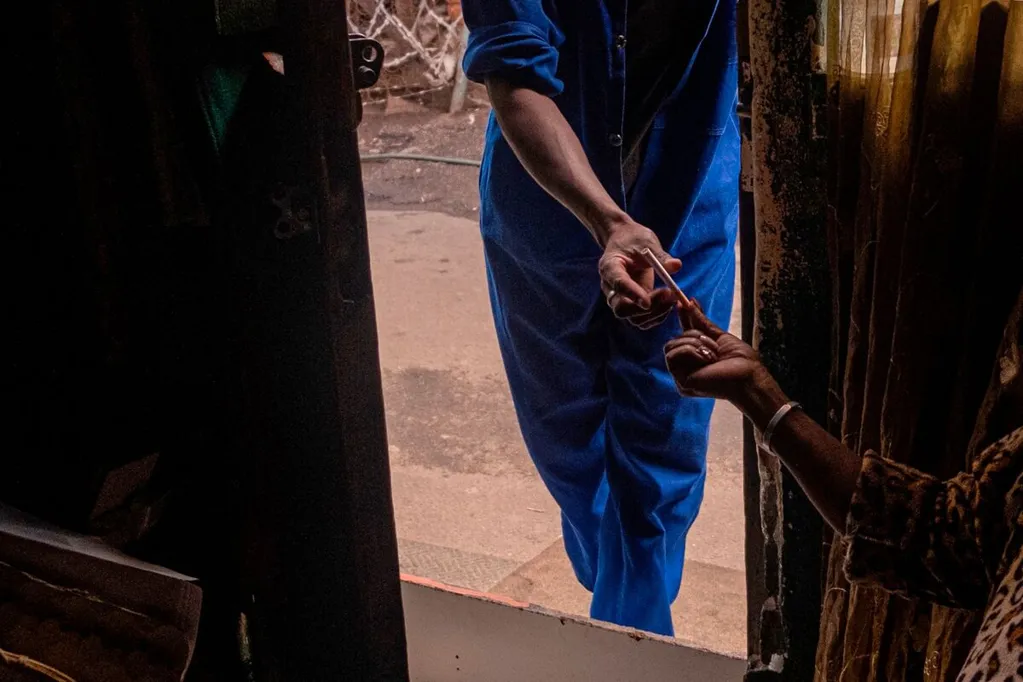
Today illicit trade still makes up about 75% of South Africa's traditional cigarette market and the government has not been able to bring the figure down to "meaningful levels" since Covid, Marroco said.
Marroco's comments came as BAT reported growth last year in its new categories division, which includes e-cigarettes and nicotine pouches, that beat analyst estimates. However, volumes from vapes such as Vuse fell almost 13% in 2025, driven by the sale of illegal products in the US and Canada, it said.