Diaz-Canel denied allegations that Cuba is sponsoring terrorism and becoming a staging ground for foreign adversaries, saying the country is not a threat to the United States.
The Cuban government is willing to negotiate with the US as it prepares for acute fuel shortages due to increased pressure from Washington, President Miguel Diaz-Canel said during a rare press conference.
"Cuba is ready to have talks with the United States over any issue it wants to debate," Diaz-Canel told reporters Thursday in Havana. "But it has to happen without preconditions, and from a position of equals and with respect."
The US is using its economic and military might to try to strangle the communist regime just 90 miles south of Florida, Diaz-Canel added. "I'm not an idealist. I know that difficult times are coming," he said, "but, together, we're going to overcome them."
Donald Trump has been turning the screws on Cuba since his first term, but those efforts went into overdrive at the start of January when US forces captured Venezuelan leader Nicolas Maduro and then cut off Cuba's fuel supply from the South American nation. The US president has also threatened other countries with tariffs if they come to Cuba's aid with energy shipments.
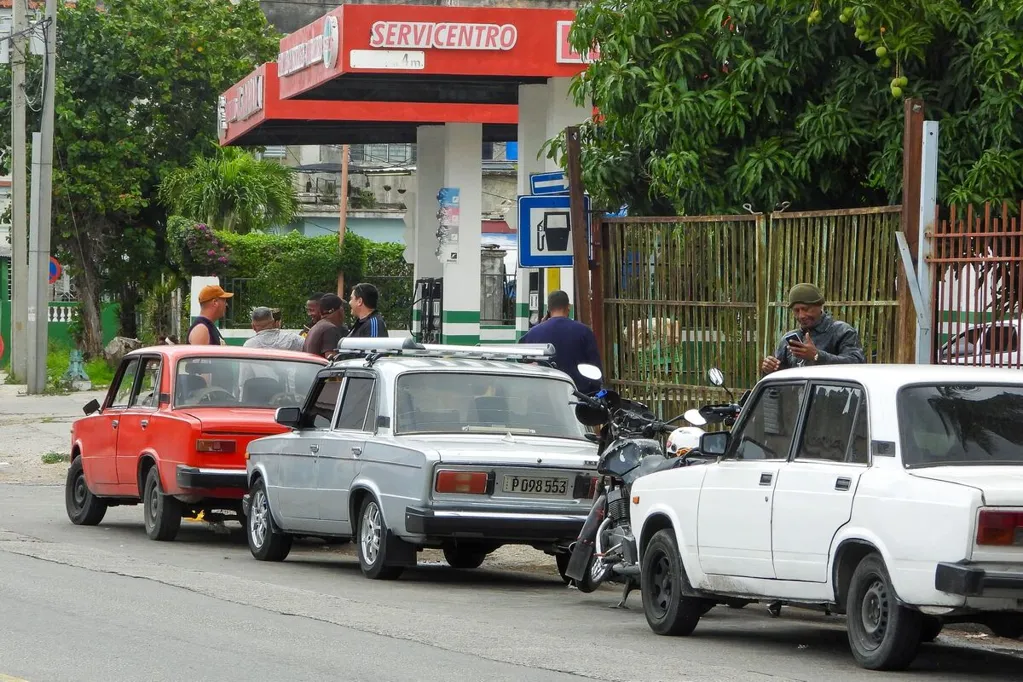
The Caribbean nation is mired in its worst economic crisis since the fall of the Soviet Union. Diaz-Canel didn't indicate how much fuel Cuba has left, but oil-vessel tracking analysts estimate it could burn through its current inventory in less than three weeks.
In response to a newly muscular Washington, Cuba has been bolstering its military defenses and running its population through drills on the weekends, Diaz-Canel said. He also warned that there were US-backed and financed "terrorist" plots designed to "hurt Cuba at a moment like this." While he didn't provide details, he said the country would denounce those actions at the appropriate time.
The US rationale for toppling the regime has shifted over the years, but Secretary of State Marco Rubio -- born in Florida to Cuban parents -- has accused the island of sponsoring terrorism and becoming a staging ground for foreign adversaries like China, Russia, Iran and North Korea.
Diaz-Canel denied those allegations.
"We have military cooperation agreements with allies," he said. "That does not mean there are military bases here." The only foreign military base is the one operated "illegally" by the US in Guantanamo Bay, he added.
"We are not a threat to the United States," Diaz-Canel said.
Even before the US ratched up pressure, blackouts were common on the island of 10 million people due to fuel shortages and infrastructure breakdowns. On Thursday, the government was scrambling to restore electricity to eastern Cuba after a generation plant failed overnight.
Diaz-Canel said oil-shipping companies and nations were scared to provide fuel for fear of retaliation from Trump. As a result, Cuba is moving beyond efforts to boost its own fossil fuel output and is exploring ways to refine its own oil, the president said.
Scientists have been tasked with reviving long-running research aimed at improving the quality of Cuban crude so it can be refined into products such as gasoline, diesel and fuel oil, rather than being used only to power thermoelectric plants, Diaz-Canel added.
"We will not give up," the Cuban leader said. "It's reprehensible that a power like the US would adopt such an aggressive and criminal policy toward a small nation."