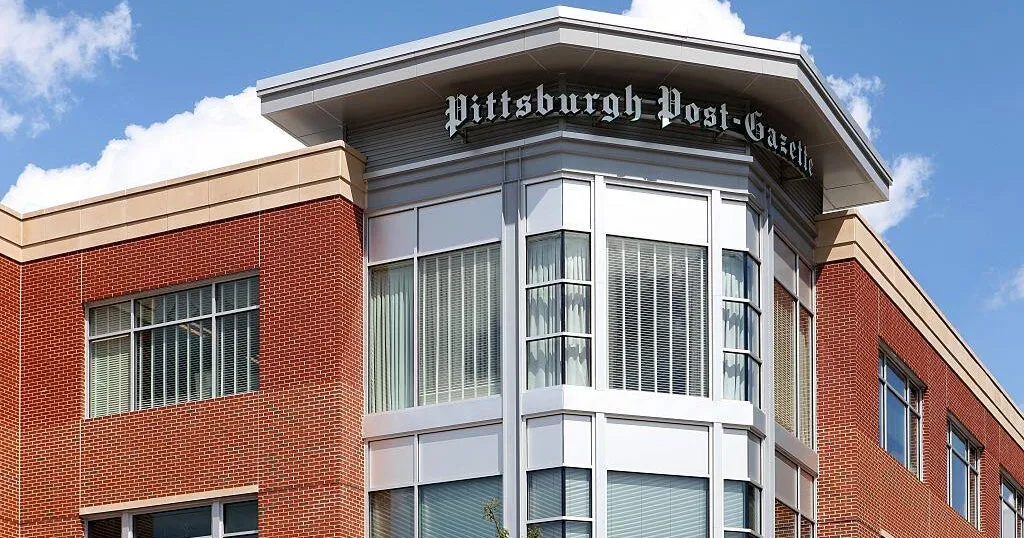
In less than three months, the Pittsburgh Post-Gazette is scheduled to go out of business, making Pittsburgh the only major American city without a daily newspaper.
Now, several local efforts to keep the paper operating appear to have stalled. The leader of one group told KDKA he has become frustrated with a lack of responsiveness from the paper's owners.
If the Post-Gazette shuts down as scheduled on May 3, Pittsburgh will be without a daily newspaper for the first time since the late 1700s, leaving a gaping void in the city and the region.
As a former mayoral chief of staff and president of business operations for the Pittsburgh Penguins, Kevin Acklin knows the importance of an independent paper of record in a time when facts matter more than ever.
"The role that this paper plays in this city historically and in the future is so important, and it's worth saving," Acklin said.
Since the announcement of the impending closure, Acklin has assembled a group of private investors and has met with the city's non-profit foundations about a plan to buy and run the Post-Gazette. He is just one of now several groups interested in continuing the publication, but all their efforts have hit a wall. The problem, Acklin says, is the unwillingness of the paper's ownership, Block Communications, to talk with any prospective new owner.
"Those of us who want to step up and see this paper continue are being frustrated by the lack of an open and transparent process," Acklin said.
Last month, the company said it was pulling up stakes after a bitter five-year battle with the newspaper guild over salaries and health benefits, the paper saying it had lost $350 million over the past 20 years.
While other cities have saved their papers by restructuring with at least some funding coming from foundations, Acklin says the Blocks have been unwilling to discuss liabilities, debts, or a possible sale. Block Communications is headquartered in Toledo, Ohio, where it continues to publish The Blade. The company did not respond to KDKA's inquiry about whether it is willing to sell the Post-Gazette.
"In each of these cases where newspapers have successfully transitioned to a more sustainable model, one thing is true: You have a willing owner who cares about the city, who wants to see it continue and is willing to give up the keys to allow leaders to step up," Acklin said.
But time is of the essence. If the Post-Gazette does close up shop in May, it will be very hard to resuscitate it and bring it back, and Pittsburgh will become a town without a newspaper.