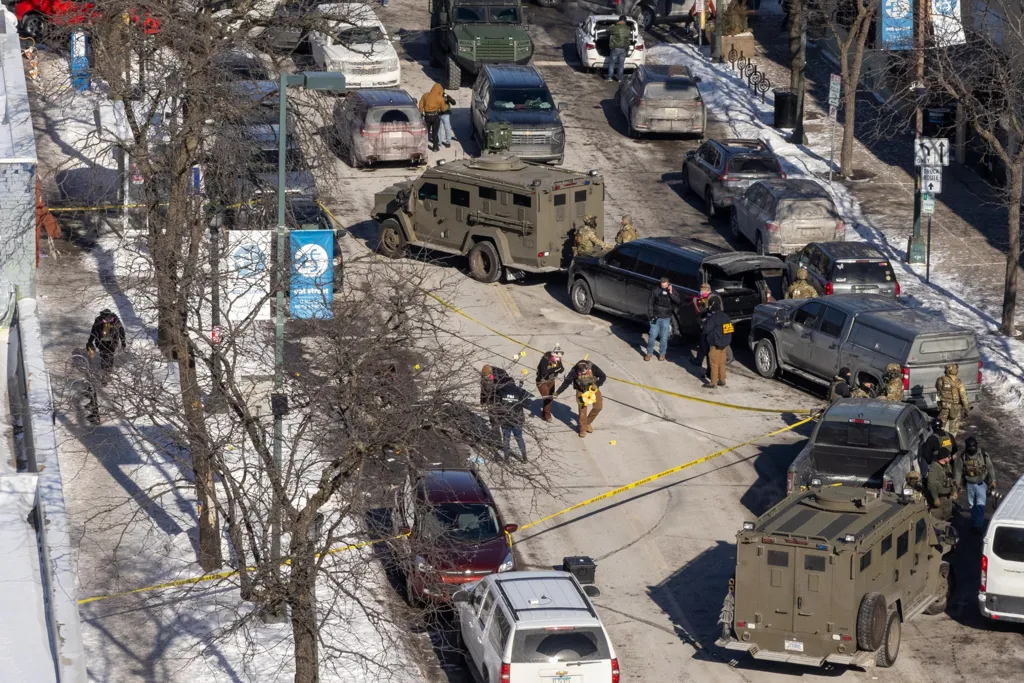
Minneapolis, MN - A series of shootings by federal agents in recent months, including two fatal incidents in Minneapolis, has brought renewed scrutiny to the lack of independent oversight of federal law enforcement. Unlike local police departments, which often face investigations from state authorities and independent agencies, federal agents are rarely subject to outside review, a dynamic that is prompting calls for greater accountability.
The issue came to a head after Alex Pretti, a 37-year-old ICU nurse, was shot and killed by a Border Patrol agent on January 24, 2026. The Department of Homeland Security stated that Pretti approached officers with a handgun and "violently resisted" attempts to disarm him, leading the agent to fire in self-defense. However, local officials and witnesses have disputed this account and video footage appears to contradict the initial narrative. The shooting followed another incident earlier in January where Renee Good was fatally shot by federal agents in Minneapolis.
This pattern extends beyond Minnesota. A ProPublica analysis found that local police did not open investigations into six of twelve shootings by on-duty federal agents that resulted in deaths or injuries since September. In three other cases, state or local police initiated inquiries, characterizing them as routine practice. In one instance, state police in Minnesota attempted independent investigations but were reportedly blocked by the Trump administration even when possessing a judicial warrant.
The lack of accountability is rooted in the supremacy clause of the U.S. Constitution, which generally bars local interference with federal law enforcement acting within the scope of their duties. However, legal experts argue that this does not preclude local authorities from investigating potential state law violations committed by federal agents. "Local police and the state have gotten a free pass," said Craig Futterman, a law professor at the University of Chicago. "Residents have every right and should be demanding that, 'Hey, state authorities, police, local police: Protect us. Arrest people who kill us, who batter us, who point guns at us and threaten and assault us without legal cause to do so.'"
The federal government's response to these incidents has further fueled concerns. In several cases, Trump administration officials quickly blamed the victims for the shootings, raising questions about the objectivity of internal investigations. Following the shooting of Alex Pretti, DHS Secretary Kristi Noem claimed he was "brandishing" a gun, a claim contradicted by video evidence.
This situation contrasts sharply with the scrutiny local police departments face. When a city police officer shoots someone, multiple independent agencies can step in, including state investigators, county attorneys, and the Department of Justice's Civil Rights Division. "When a federal agent does, almost no one outside the federal government can touch the case," according to a report by GovFacts, updated February 2, 2026.
In response to the growing concerns, some local officials are taking action. Chicago Mayor Brandon Johnson recently signed an executive order directing police officers to document alleged illegal activity by federal immigration agents and refer any evidence of felonies to prosecutors. California's governor and attorney general have reminded local police of their right to investigate federal agents. Arizona Attorney General Kris Mayes has launched a website to collect evidence of federal agent misconduct, and prosecutors from nine jurisdictions have formed a coalition to support each other in bringing charges against federal officers.
In Minneapolis, prosecutors are working with state police to investigate the shooting of Alex Pretti despite resistance from federal officials, who initially refused to provide evidence or identify the agents involved. While a temporary restraining order requiring the preservation of evidence was dropped after assurances from the federal government, prosecutors believe they can still gather enough information to make a decision about potential charges.
Despite these efforts, challenges remain. Police officers and prosecutors may be hesitant to investigate federal agents due to concerns about damaging relationships or facing political repercussions. Federal agents can also claim immunity from state prosecution and move cases to federal court.
"We're in uncharted territory here," said Drew Evans, Superintendent of the Minnesota Bureau of Criminal Apprehension, noting he had never seen his officers physically prevented from investigating by another law enforcement agency.
The Justice Department has opened a civil rights investigation into the Pretti shooting but has stated it has no plans to investigate the shooting of Renee Good.