President Trump wants to invoke the Alien Enemies Act of 1798. Here's what you need to know about the wartime law.
A federal judge on Dec. 22 ruled that the Trump administration must provide court hearings or facilitate the return of Venezuelan immigrants who were deported to El Salvador's notorious megaprison over alleged ties to criminal gangs.
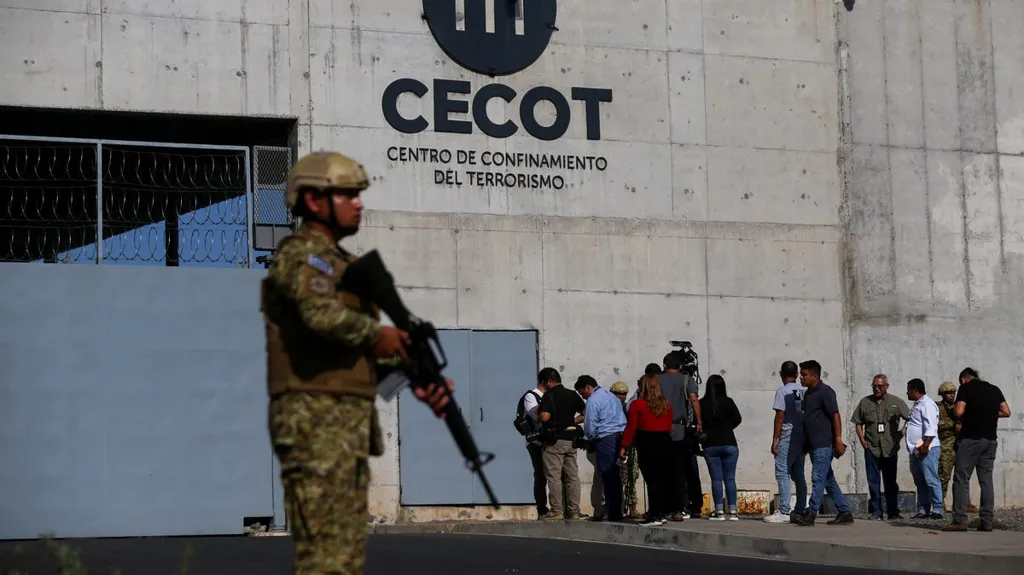
In the ruling, U.S. District Judge James Boasberg said the federal government denied due process to a group of Venezuelan immigrants who were deported earlier this year to an infamous anti-terrorism prison, called CECOT. The maximum-security facility is known for its harsh conditions and has served as a symbol in President Donald Trump's controversial immigration crackdown.
In March, the Trump administration deported more than 200 migrants to CECOT. For 137 of them, the federal government justified the move under the Alien Enemies Act of 1798, alleging that the men were members of the Venezuelan gang Tren de Aragua.
"By granting the Motion, this Court is declaring that Plaintiffs should not have been removed in the manner that they were, with virtually no notice and no opportunity to contest the bases of their removal, in clear contravention of their due-process rights," Boasberg wrote in the opinion.
The immigrants are entitled to return to court to contest their deportation, the judge said. The Trump administration must submit a plan to allow for their return within two weeks, Boasberg ruled.
The ruling is the latest development in a monthslong legal saga, in which federal courts have released various decisions on the Trump administration's interpretation of the Alien Enemies Act. Some federal judges have ruled against Trump's use of the law to deport Venezuelans.
In May, a federal judge in Pennsylvania ruled the U.S. can use the Alien Enemies Act to expedite the deportation of alleged Venezuelan gang members.
Over 200 immigrants sent back to Venezuela in prisoner swap
More than 200 immigrants were deported from the United States to El Salvador on March 15, officials previously said. The federal government sent several planeloads of men to CECOT after Trump invoked the Alien Enemies Act to fast-track the deportation of accused gang members without going through standard immigration procedures.
The deportations immediately drew criticism from human rights groups and sparked a legal battle with the Trump administration over allegations that due process was not followed.
In July, a group of immigrants was released back to Venezuela as part of a coordinated prisoner exchange, with 10 Americans held in Venezuela returned to the United States, officials said.
Venezuela's government said 252 Venezuelans held in El Salvador had been freed. Venezuela's President Nicolas Maduro celebrated the arrival of two airplanes.
At the time, Venezuela's government said the men would receive a full medical before being released to go home. The government noted that only seven of the men had a serious criminal record.
What is the Alien Enemies Act of 1798?
The Alien Enemies Act of 1798, which was part of the Alien and Sedition Acts, was established under former President John Adams as the United States faced war with France. The act was designed to allow the president to authorize the relocation, arrest, or deportation of any man older than 14 years old who hailed from a country at war with the U.S.
Three other Alien and Sedition Acts expired at the beginning of the 19th century, but the Alien Enemies Act did not, and it became part of the U.S. Code.
The act was passed to supplement the Alien Friends Act, which allowed the president to deport any non-citizen who was determined to be "dangerous to the peace and safety of the United States."
Contributing: Kinsey Crowley and Fernando Cervantes Jr., USA TODAY; Reuters