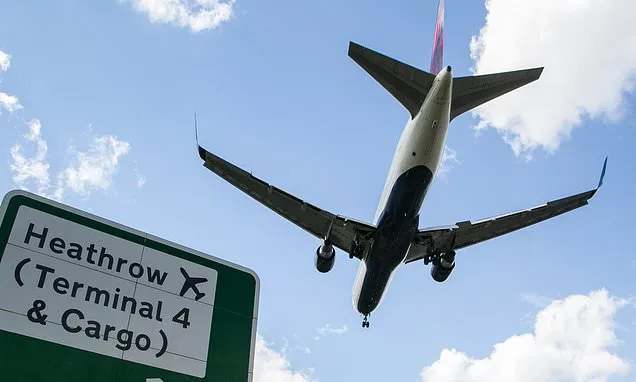
From 1 April, travellers aged above 16 will pay up to 15 per cent more for UK flights due to increased Air Passenger Duty (APD) - costing air passengers a combined £600 million by 2027.
The tax, which is paid by all passengers travelling on flights to and from UK airports, is typically included in ticket prices, with rates based on distance and class of travel.
However, the levy is set to increase by a maximum of 15 per cent per person in April, with further plans to raise APD in April 2027.
The Office for Budget Responsibility (OBR) predicts the latest increase to generate a staggering £5.2 billion for the exchequer by 2027, compared to £4.6 billion this year.
By the end of March 2028, OBR forecasts expect the newly-increased tax to generate £5.6 billion.
However, Willie Walsh, Director General of the International Air Transport Association, blasted the move as a 'short-sighted cash-grab'.
Air passengers flying from UK airports will, as of 1 April, pay up to 15 per cent more for flights in line with increased Air Passenger Duty (APD)
The tax, which is calculated by distance and which class passengers travel in, will least affect travellers flying between two airports in the UK, while those flying from the UK to long-haul destinations will pay more.
Economy passengers will also pay the least APD, with premium economy, business and first class passengers incurring higher charges.
UK flight taxes are structured into four bands, ranging from domestic to long-haul (0 to 5,500+ miles), based on distance from London to the destination's capital city.
Band A covers 0 to 2,000 miles, essentially all of Europe and the majority of North Africa.
For economy passengers travelling to Band A destinations, they will be required to pay £15 instead of the current £13 rate, while those flying business, first, and premium economy will see rates jump from £28 to £32.
Band B covers 2,001 to 5,500 miles, which includes countries such as the USA, UAE and India.
Economy passengers will now pay £102 to fly to these nations, up from £90, while those in superior class categories will fork out £244 instead of £216.
Band C applies to destinations over 5,500 miles from the UK, such as Thailand, Vietnam and Australia.
Passengers travelling to these countries will be hit most by APD increases, with those in economy expected to pay £105 rather than £94, and those in premium economy, first and business class required to shell out £253 instead of £224.
Passengers travelling to Thailand or Australia will be expected to pay increased Band C charges, which will jump from £94 to £105 for those in economy, and £224 to £253 for those in superior classes
| Current APD rates (until April 2026) | Reduced rate (economy) | Standard (first, business and premium econ) |
|---|---|---|
| Domestic: £7 | Domestic: £14 | |
| Band A: £13 | Band A: £28 | |
| Band B: £90 | Band B: £216 | |
| Band C: £94 | Band C: £224 |
| New APD rates (from 1 April 2026) | Reduced rate (economy) | Standard (first, business and premium econ) |
|---|---|---|
| Domestic: £8 | Domestic: £16 | |
| Band A: £15 | Band A: £32 | |
| Band B: £102 | Band B: £244 | |
| Band C: £105 | Band C: £253 |
APD is collected directly from airlines by the government from every ticket purchased by passengers, as highlighted by Just Travel Cover.
Dale Robinson of travel insurance specialists, Just Travel Cover explained: 'Essentially, this increase means that from April 1st, air travel is about to get more expensive for most people flying to and from the UK.'
'As an example, four adults travelling by air from the UK to New York this Easter, in premium economy, will pay £1950 between them in Air Passenger Duty. If they were flying in March of this year, the charge would have been £1730.
'The same passengers travelling on the same service in April 2027, will pay £2015 in APD, demonstrating the planned rise in the levy in the years to come.'
So, what can passengers do to reduce or avoid paying extra APD? Not much, according to Robinson.
He said: 'Politicians like APD because it's difficult to avoid and airlines do the majority of the admin by charging passengers and then paying their APD bill to the government when it's due.'
'However, if you're flying long-haul to destinations like the US or Asia, you could travel to a major European city like Dublin or Paris, pay the APD on that flight and then book an APD-free ticket from there to your final destination.'
"It's also worth noting that if you do not travel on your intended flight for any reason, you will be entitled to claim a refund of any APD charges that you paid when booking the flights, usually subject to a service charge.
'On a holiday to Australia as an example, this could return many hundreds of pounds, potentially thousands, depending on how many people are travelling.
'We recommend that anyone booking a trip away arranges travel insurance so that they're covered for unforeseen events that lead to trip cancellation or curtailment, emergency medical treatment abroad, repatriation, and lost or stolen baggage.'