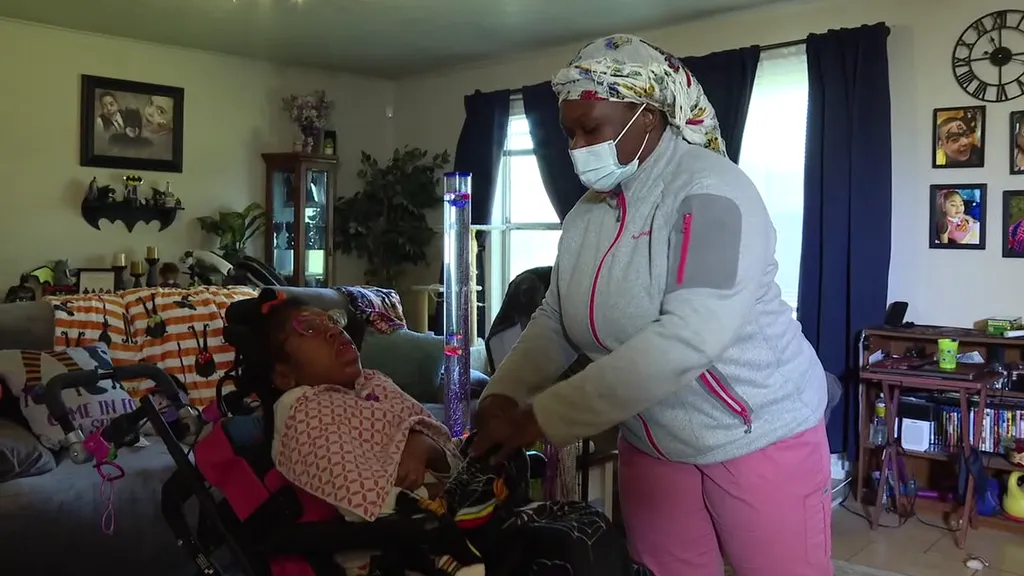
TAMPA, Fla. - Thousands of Florida children and adults with severe developmental disabilities are qualified to receive home-based services but wait years for the support to arrive.
In prior years, Florida's Agency for Persons with Disabilities (APD) has attributed the multi-year backlog to a lack of dedicated funding.
However, state financial records reveal a massive rolling surplus of $456 million in unspent funds allocated for home-based services. According to Jim DeBeaugrine, who directed the agency under former Govs. Jeb Bush and Charlie Crist, when combined with the federal match, that unspent total reaches approximately $1.06 billion.
The backstory:
The waitlist is not an unsolvable problem; it has been cleared before. Decades ago, under legal pressure from a parent-led lawsuit, Gov. Bush made a promise to end the backlog. By more than tripling funding for home-based services, his administration successfully cleared the waitlist, which in turn allowed parents to re-enter the workforce and stimulate the economy.
However, the waitlist began to redevelop before Gov. Bush left office. Then, during the Great Recession, under former Govs. Charlie Crist and Rick Scott, state revenues shrank and the waitlist expanded. Yet, even as the economy recovered and the state accumulated record budget surpluses under Gov. Ron DeSantis, the disability waitlist remained.
"Children die on the waitlist. It is absurd. What are we doing? The money is sitting there, sitting there. A billion dollars unspent on people who need care. It's unfathomable," State Rep. Kelly Skidmore (D-Boca Raton), said.
"For even just a fraction of that, we could probably do a lot of good for a lot of people," former APD Director Jim DeBeaugrine said of the surplus.
Despite early momentum from lawmakers after meeting families like the Holmeses, attention quickly fractured.
"We have JJ on the House floor, on the Senate floor. Everyone is like, 'Thank you. Thank you so much for bringing awareness.' And it's still not done," Skidmore said.
Big picture view:
Leaving home-based care funds unspent may not ultimately save taxpayer money. By denying in-home support, caregivers are pushed to the breaking point.
When families collapse under the strain, individuals with disabilities can be placed into Medicaid-funded institutions. According to Alan Abramowitz, former director of the Arc of Florida, institutionalization costs taxpayers upwards of $100,000 a year per patient, compared to less than $60,000 a year for home-based care.
The state points to recent progress, noting that over the past year, the waitlist has been reduced from roughly 20,000 to 16,000. However, advocates for individuals with disabilities say some families removed from the list may have been wrongly denied care, and others report being dropped from services they already had. The next chapter of this investigation will examine the human cost of these denials.