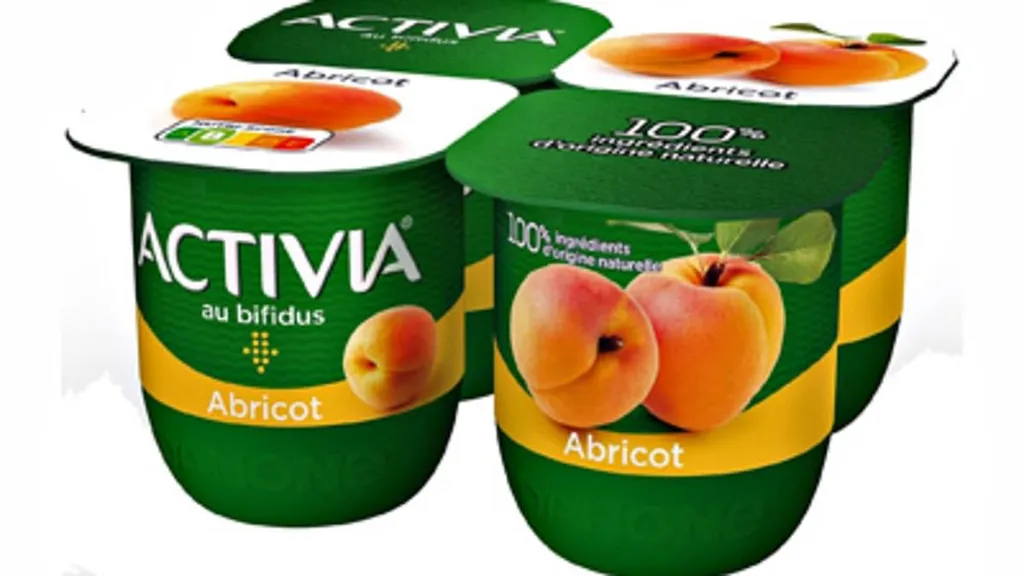
Fruit could be stripped from yoghurts and classified as 'unhealthy' under Labour's controversial crackdown on junk food, manufacturers have warned.
Under the proposals, dairy products that contain mashed or pureed fruit could be demonised alongside ultra-processed food because they contain natural sugars.
This means that plain yoghurt would be considered nutritious, but if fruit is added it could be deemed 'unhealthy' - despite containing additional fibre and nutrients.
Meanwhile, yoghurts that get their flavourings from artificial sweeteners would not be affected by the rules.
Manufacturers such as Danone are said to be concerned by the changes, which are still under consultation, and fear they may be forced to rethink their recipes.
There are also concerns they may be forced to pull products that are perfectly healthy from supermarket shelves, The Telegraph has reported.
Moreover, experts have warned that the red tape surrounding yogurts may push prices up for shoppers.
Earlier this year, it was reported that tomatoes could be stripped from pasta sauces as another 'counter-intuitive' effect of the same crackdown on junk food.
Stuart Machin, the chief executive of Marks & Spencer, said the plans were 'nonsensical'.
He said the proposed change 'encourages us to remove fruit purees from yoghurts or tomato paste from pasta sauces and replace them with artificial sweeteners'.
Meanwhile a spokesman for Mars Food & Nutrition, which makes the popular Dolmio pasta sauces, warned the rules could have 'unintended consequences for consumers, such as vegetable and fruit purees and pastes being replaced with ingredients of lower nutrient density'.
It is understood that if fruit yoghurts are impacted by the crackdown, they would also become subject to the 9pm advertising watershed on junk food.
Enforced by the Advertising Standards Authority, the restrictions apply to 13 categories of food and drink products deemed to contribute to poor diets and rising childhood obesity.
Ministers say the measures are aimed squarely at reducing the constant commercial pressure on children to consume unhealthy food.
Evidence shows advertising plays a major role in shaping eating habits from a young age, influencing what children ask for and when they eat.
A spokesman for Danone North Europe said while it supports moves to improve the nation's health, there are fears the new proposals may have 'unintended consequences for consumers'.
Yeo Valley Organic added that the crackdown may be 'counter-intuitive' and risks causing 'naturally nutritious' products, like yoghurts, to be treated the same way as junk food.
Meanwhile, Nestlé said it was still evaluating the plans, which are under consultation and yet to come into effect.
If they do, it is understood that some of its Ski yoghurts may be affected.
Dr Judith Bryans of the Dairy UK trade body warned that dairy products may be particularly badly penalised by the new system.
She said: 'Now there will be yet more pressure on dairy companies to reformulate and the UK Nutrient Profiling Model (NPM) risks shaping consumer perception away from healthy foods like yogurt or milk-based drinks, towards foods that the model favours but contain empty calories and little meaningful nutrition - for example a pot of jelly or a sugar-free fizzy drink.'
A Department of Health and Social Care spokesman said: 'As part of the 10-Year Health Plan, this government is committed to supporting parents to raise the healthiest generation of children ever.
'The current system is based on a nutrient profiling model more than 20 years old, which does not reflect modern dietary advice, which is why we have consulted on updating it.
'Since 2015, guidance has been clear that children should eat less free sugar and more fibre. The updated model reflects this and better balances beneficial nutrients against salt, sugar and saturated fat.'