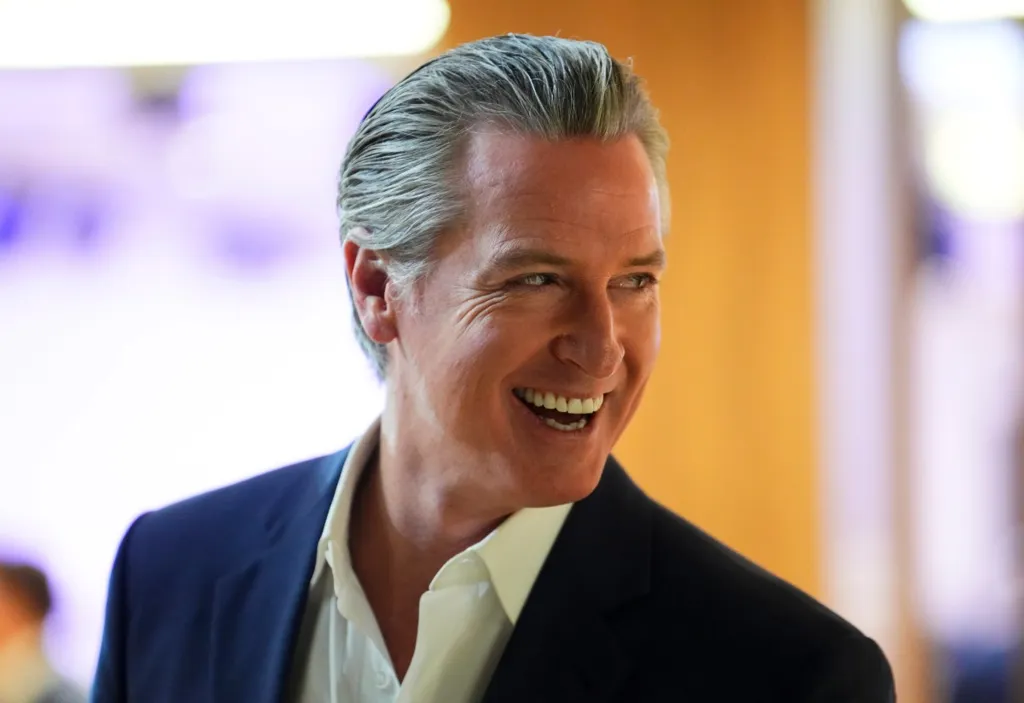
California Governor Gavin Newsom has proposed a new point-of-sale rebate program for electric vehicle (EV) drivers in an effort to maintain the state's clean transportation momentum.
Why It Matters
Newsom's proposal seeks to backfill federal EV tax credits of up to $7,500 that the Trump administration canceled last year, a shift the governor said amounted to "turning back on a clean transportation future" by slowing EV adoption and threatening California's climate goals.
What To Know
California's $348.9 billion state budget blueprint framed EV incentives as a one-time investment to sustain zero-emission vehicle adoption after the elimination of federal benefits under President Biden's 2022 Inflation Reduction Act.
Transportation remains the largest source of climate and air pollution in California, intensifying the stakes of keeping zero-emission vehicles competitive with conventional vehicles for consumers.
Newsom's plan, which serves as an opening offer ahead of spring budget negotiations with the Legislature, would reinstate a state-level buyer incentive after the clean-vehicle federal credit ended.
It coincided with a sharp fourth-quarter 2024 decline in EV sales and triggered retrenchment by some automakers, highlighting the impact of incentives on consumer demand and industry planning, per Reuters.
California's EV policies have clashed with the Trump administration, which sought to revoke the state's authority over tailpipe emissions standards.
It also follows a battle between California and the White House over a ban on the sale of new gas-powered cars.
The budget does not spell out final program details such as income caps or vehicle price limits; finance officials plan to hammer out specifics by February, according to Politico.
California's earlier Clean Vehicle Rebate Program ended in 2023 after distributing $1.49 billion for 586,000 vehicles over a decade, and Newsom had said in late 2024 he would seek a new state incentive if the federal benefit was eliminated, Reuters reported.
What People Are Saying
President Donald Trump's executive order canceling the subsidies says: "Ending the massive cost of taxpayer handouts to unreliable energy sources is vital to energy dominance, national security, economic growth, and the fiscal health of the Nation."
It adds that "it is the policy of the United States to rapidly eliminate the market distortions and costs imposed on taxpayers by so-called 'green' energy subsidies."
California Governor Gavin Newsom said in a statement: "We must continue our prudent fiscal management, funding our reserves, and continuing the investments Californians rely on, from education to public safety, all while preparing for Trump's volatility outside our control. This is what responsible governance looks like."
Lindsay Buckley, spokesperson for the California Air Resources Board, said: "Despite federal interference, the governor maintains his commitment to protecting public health and achieving California's world-leading climate agenda."
John Bozzella, president and CEO of the Alliance for Automotive Innovation, told Politico: "We need to see the details of the new program, but this is a policy that has worked in the past."
Sarah Swig, Newsom's senior adviser for climate, said: "California is not slowing down on climate...including as recently as this week with the Trump administration's withdrawal from the UNFCCC. California's leadership has never mattered more."
Bill Magavern, policy director at Coalition for Clean Air, said: "The program design should be based on what's good for Californians, especially those who are struggling to make ends meet, and not be based on what's good for large auto companies."
What Happens Next
The proposal requires approval from the California Legislature during budget negotiations ahead of the state's July deadline, and officials said details on eligibility and rebate amounts would be hashed out in the coming weeks.
Lawmakers and the Newsom administration will negotiate the incentive program's eligibility, income thresholds, and vehicle price caps ahead of the May revision, according to Politico.