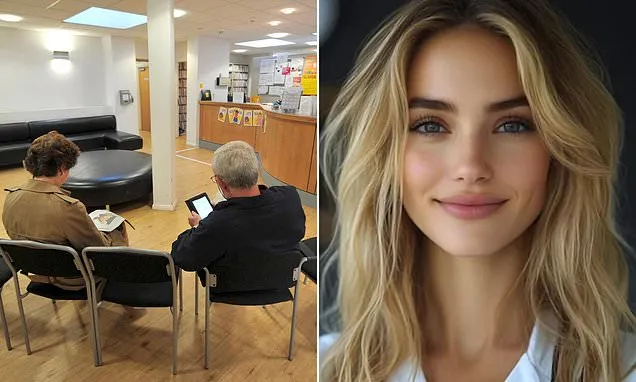
GPs are using artificial intelligence chatbots instead of human receptionists, which patients say has made making appointments 'unobtainable'.
Calls from millions of patients to their local GP are being answered by an AI receptionist rather than a human, as they try to book appointments or request repeat prescriptions.
The move has been highly criticised by patients, who say GP appointments have become 'unobtainable', with many deterred from seeking medical help.
Pharmacists have also struggled to confirm prescription details for crucial medicines with patients' GP surgeries.
Instead, calls are being handled by a chatbot named Emma, standing for Enhanced Medical Management Assistant, which has been introduced in attempts to ease the backlog caused by the 8am rush for appointments.
However, patients say they would rather be put on hold and speak to a human than deal with the chatbot - a move encouraged by the Government as part of its digital push.
Patients have reported a range of issues, including the chatbot's lack of empathy, long phone calls, being cut off, having to repeat themselves and not being understood due to their accent - a problem particularly noted in Yorkshire.
These difficulties have led some patients to bypass their GP altogether, opting instead to visit A&E, or treat themselves. Patients have also switched GPs after Emma was introduced.
The elderly and those with learning disabilities or speech impairment are hit with the greatest challenges, with the chatbot failing to understand them or their questions.
Sue Wainright, from Doncaster, had to speak to Emma for three consecutive days as she wrestled to secure a same-day appointment for a skin cancer-related issue.
The 74-year-old spent 10 minutes on each call, repeatedly answering questions about her pain levels, medication and medical record.
Despite her efforts, Ms Wainright would later receive a text saying there were no appointments available and advising her to try again the next day.
When she visited her GP, she said there was 'no record' of her calls and the receptionists instead suggested she queue outside her GP at 7.45am before the practice opened.
She told a national newspaper: 'Never in my 74 years have I stood outside a doctor's surgery and queued to get an appointment. It's shocking.
'There were 12 people in front of me. It's just an awful situation.'
Another pensioner described it as 'impossible' to get through on the phone, noting that the system requires an understanding of the phonetic alphabet - which many people don't have.
A separate patient spent 10 minutes 'like an idiot, spelling out every letter to a robot', describing the service as 'AI slop'.
While the introduction of AI may save time and money, a study by a national newspaper found the early use of Emma has been 'wholly negative'.
Many people reported difficulties requesting repeat prescriptions, as they must provide details of each drug, the dosage and the reason for taking. If the system fails to understand them, they would be forced to repeat the process for every item.
Others cited issues such as being misunderstood, asked irrelevant questions or having to consistently redial to speak about separate requests they may have, as the chatbot can only process one per call. One patient was even prescribed the wrong drug.
Pharmacies have also voiced concerns about being unable to speak to GP surgeries by phone about a patient's prescription.
This is particularly relevant with 'nomad trays', which are used by pharmacists to organise drugs for elderly patients with numerous drugs and schedules.
Health Secretary Wes Streeting pledged to 'fix the front door to the NHS' through the improvement of access to GPs.
The NHS have been contacted for comment.