The polar vortex is a large area of circulating cold air above the North Pole. Strong winds keep it contained, but when it weakens, it can wobble and stretch.
Every winter, humidifiers seem to pop up everywhere. Stacked on store shelves, spotlighted in home-care roundups and quietly humming in bedrooms across the country. And it's not hard to understand why. "Most homes become very dry in colder months, especially with the heating systems pulling moisture out of the air," explains Dr. Alison Mitzner, a pediatrician and chair of a New York American Academy of Pediatrics chapter.
And when humidity dips too low, the body feels it fast. The lining of your nose and throat loses moisture, which can worsen congestion, coughing and throat irritation when you're sick, or make you wake up with a dry, scratchy throat or stuffy nose even when you're not. Skin also dries out more easily, lips crack and some people notice more frequent nosebleeds or additional sinus discomfort.
To counter these effects, many families rely on humidifiers from November through February. "By reducing dry air, a humidifier can ease irritation of the nose and throat and make breathing more comfortable," says Dr. Jason Nagata, a pediatrician at UCSF Benioff Children's Hospital.
While humidifiers provide real relief these ways, many people aren't entirely sure how they work or how to use them safely. Here's what to know.
What does a humidifier do?
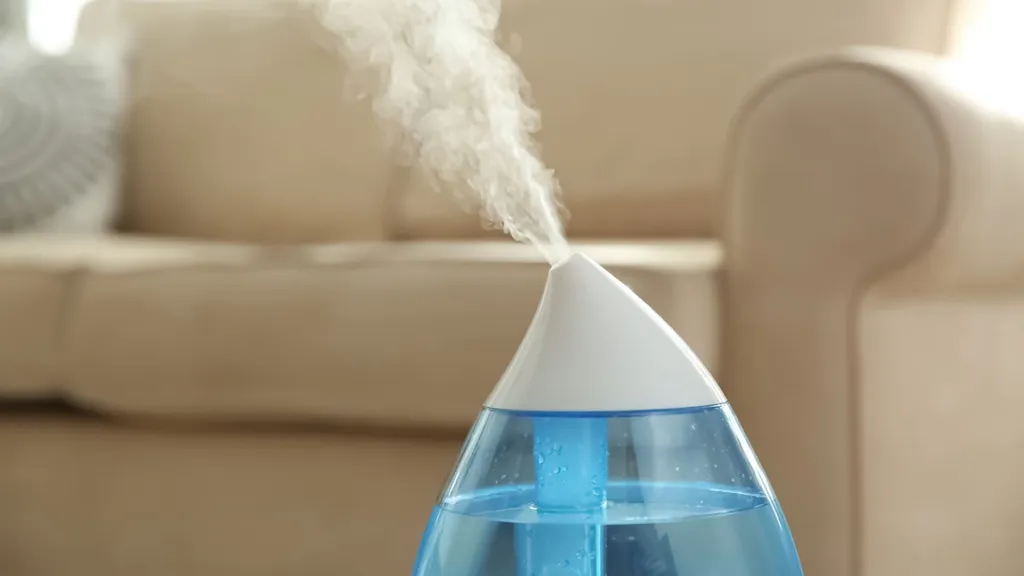
A humidifier's job is straightforward: "to release steam or water vapor to raise the moisture level in a room," says Nagata. This matters because humidity often drops well below ideal 30% to 50% levels in winter as furnaces and space heaters strip moisture from the air. Compounding matters is that the cold air outside also holds less moisture than warm air and closed windows further create a sealed environment where dryness builds indoors.
By steadily adding water vapor back into the air, humidifiers can help restore balance. It's why pediatricians commonly recommend them "to help reduce dryness in the nose, throat and skin," says Nagata. Increasing humidity may also lessen nosebleeds or other issues associated with dry sinuses, and it can make a room feel slightly warmer because humid air holds heat more efficiently.
And adults often use humidifiers to reduce snoring caused by dry air and to maintain softer skin during the winter. "Some adults even sleep better with humid air over dry air," adds Mitzner.
What's the difference between warm- and cold-mist humidifiers?
Warm-mist and cool-mist humidifiers have the same goal of raising humidity levels, but work differently.
Warm-mist models work by boiling water to release a warm vapor. Cool-mist models use a fan or ultrasonic technology to disperse room-temperature mist. "Both types increase humidity similarly, and studies have not shown clear differences in how well they ease cold-related symptoms," says Nagata.
Still, warm-mist units tend to be quieter and may feel more soothing for adults with chest congestion. But because warm mist can make nasal passages swell, it may worsen congestion during a cold. Cool-mist humidifiers, on the other hand, are often better for reducing nasal swelling and improving airflow. This is why, "for most cold and flu symptoms in both kids and adults, a cool-mist humidifier is usually a greater choice overall," says Mitzner.
Safety is another key factor. Because warm-mist models use heat, they're not recommended for young children's rooms "as there is a burn risk," Mitzner notes. Cool-mist models also tend to be more energy-efficient.
But for most households, the decision between cool- and warm-mist comes down to personal preference and how much maintenance either device requires.
How to clean a humidifier
While humidifiers offer clear benefits, standing water inside the tank can become a breeding ground for mold, bacteria, mineral deposits and fungi if the device isn't cleaned regularly. "When released into the air, these particles can irritate the lungs or worsen allergies and asthma," says Nagata.
In other words, a humidifier only works effectively if it stays clean. Otherwise it may end up doing more harm than good. To keep it functioning safely, "regularly emptying and rinsing the tank, wiping down surfaces that accumulate residue and changing the filter as often as is recommended by the manufacturer are important steps," says Nagata. Older units that are difficult to clean or show visible buildup should be replaced, he adds.
Using distilled water (which has had minerals removed) can also help as distilled water reduces the amount of white mineral dust that forms inside the tank, preventing buildup and helping the device last longer.
It's also important to use humidifiers safely by keeping them on a flat, stable surface, ensuring cords and water tanks are out of reach of young children and avoiding excessive humidity as over-humidifying a room can encourage mold growth on walls or windows.
When kept clean and used properly, Mitzner says, "a humidifier is a great device to have in the home during the winter."