LAS VEGAS (FOX5) -- FOX5 takes an in-depth look at a lesser-known division of the Las Vegas Metropolitan Police Department, tasked with investigating weapons crimes and taking the shooters and guns off the streets.
The Violent Gun Crime Unit was created in Fall 2024, and as its mission has grown, it's currently made up of four teams of eight detectives.
In 2025, as the unit has expanded response to various scenes with shots fired or a victim that did not die, detectives have made 364 arrests and seized 296 firearms.
In 2026, out of 60 cases, 88 arrests have been made and 85 firearms have been recovered so far.
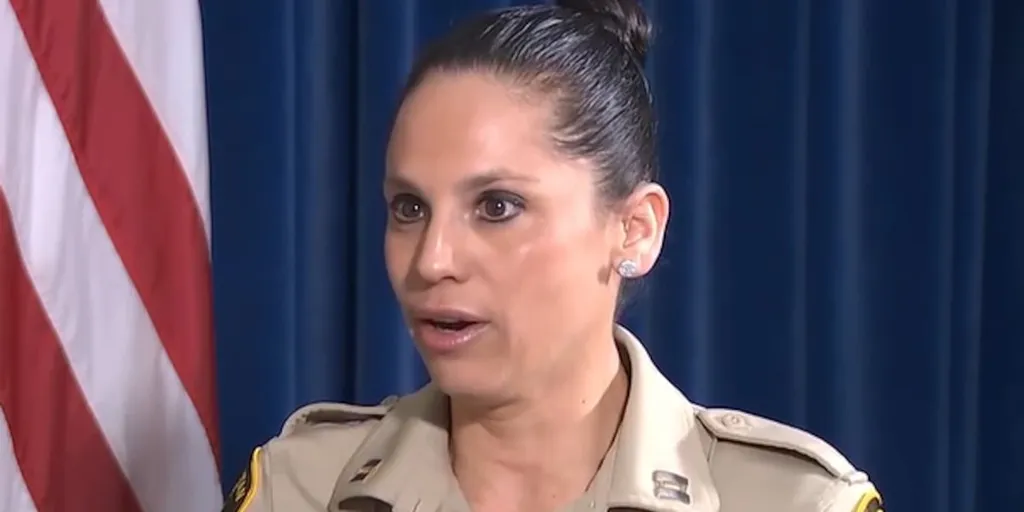
FOX5's Jaclyn Schultz spoke with Captain Michelle Tavarez of the Safe Neighborhoods Bureau, which also oversees VICE, gang investigations and narcotics. Here's part of her one-on-one interview with her.
JACLYN: Tell us why the Violent Gun Crime Unit was created.
CAPTAIN TAVAREZ: The Sheriff had a vision. He saw that we did a really good job investigating homicides. Our homicide clearance rate was up in the 90 percentile. He said, we do so good in this area, but when a subject is hit and doesn't die, our solvability rate was about 30%. At the time that this team was coming into fruition, those investigations were done at an area command level by detectives that worked out of the area commands.
We had this vision to kind of re-centralize it and have them operate similarly to what homicide does. The Violent Gun Crime Unit was [created] in October of 2024. It was designed to investigate shootings where a subject was hit, but didn't die from their injuries, and in 2024, they had 100% solvability rate on every case that they took. In 2025, they were doing so well that the sheriff said, we should expand this... If somebody was an intended target, even if they weren't hit by a bullet, we still want to help try to find them some justice.
Last year's solvability rate for both hits and non-hits was just above 98% for all of their cases.
JACLYN: How exactly do they investigate gun crimes? There are shots fired in an area. What are the steps to get alerted of it, then go to the scene and then track down the perpetrator or the shooter?
CAPTAIN TAVAREZ: The way that we get notified can come in from several different sources.
It can be a 911 phone call from a witness, from maybe the victim themselves. It could be a shot spot or alert, depending upon the area of town. Patrol is always the first to respond on these. We rely very heavily on our patrol officers to do a very good preliminary investigation.
That's when my detectives will respond out. They rally out as a team. The sergeant always goes with them. They start to interview witnesses, victims, collect evidence. Our crime scene analysts are pivotal in solving these crimes with us. A lot of our crimes do get solved based upon maybe DNA evidence, ballistics from a firearm or a shell casing that was left behind.
One of the reasons that I truly believe this unit is so successful and so special is not only the leadership that drives them but their desire to solve crimes and relentlessly follow up on every single lead presented to them. They don't give up until they put together what they believe is going to be a very solid case to present to our district attorneys for the prosecution side.
JACLYN: The perpetrators of these crimes- when you take them off the streets, you prevent them from committing other crimes.
CAPTAIN TAVAREZ: That is the hope. Our job isn't just to put people in jail.
LVMPD is very, very community oriented. Our goal is always to prevent crime on the front end. But we have a responsibility to investigate it and try to ensure it's prosecuted properly on the back end. We do everything we can to work hand in hand with our district attorneys. We do have an attorney assigned to the Violent Gun Crime Unit that we can run cases by and discuss things with ahead of time to make sure that we're putting together a good case.
If somebody is in jail, they obviously cannot commit crimes out on the streets. Jail isn't always the answer for everybody.
You're usually going to have a shooter. But then you’ll have people that accompany the shooter that may get lesser charges. We still want to hold them accountable accordingly to provide justice to our victim.
JACLYN: There's a whole range of motives for these shooters, but what are some criminal trends you've seen from gang activity or otherwise?
CAPTAIN TAVAREZ: One of the big motives that we find that come with homicides and shootings: domestic violence, and then perceived disrespect.
Those are kind of two of the driving factors when it comes to these things. Road rage incidents are a great example. They’re typically perceived disrespect. Somebody feels disrespected out on the road, and they feel that firing a weapon is the answer to that.
JACLYN: How has this unit been really crucial to lower homicide rates and lower other crimes across the Valley?
CAPTAIN TAVAREZ: We know that there is a connection between accountability and good prosecutions in lowering crime rates. Homicide did such a good job. If you think about it, every shooting is essentially medical intervention away, from either will or will not result in a homicide. But there’s no difference between pointing a firearm at somebody and pulling the trigger where they die and they don’t, other than the charge that could come to the shooter.
The intent is still there. We really wanted to provide some justice to these people that thankfully don’t die from their injuries.