Ray and Chang will be sending dispatches throughout the expedition and answering your questions. Join them on this adventure.
I'm Raymond Zhong, a reporter covering climate and the environment for The New York Times. My colleague Chang W. Lee is a photographer for The Times.
Where are you going?
We're sailing from New Zealand to Antarctica's Thwaites Glacier, where the ice is melting faster than anywhere else on the continent.
Why are you going?
Antarctica's melting ice is already raising sea levels around the globe, and it could keep doing so for centuries to come. Scientists are trying to pin down how much extra water to expect on the world's coasts, and how soon. That is crucial information for hundreds of millions of people who live near the sea. To do that, they need to better understand what's going on in the ice and in the warming ocean currents that are causing it to melt.
And so, nearly 40 researchers are traveling to Antarctica this season on the Araon, an icebreaker operated by the Korean Polar Research Institute. The ship has taken scientists to the Thwaites region multiple times over the past 15 years. We're joining this season's expedition at sea and on the ice, and we'll be sharing dispatches throughout on the challenges they face and what they're learning.
What's the ship like?
The Araon (pronounced "ah rah own") is roughly 360 feet long and can break through a meter of flat ice at a speed of 3 knots, or about 3.5 miles per hour. It can host 60 researchers and 25 crew members. Chang and I are sharing a berth.
How long will this journey take?
Roughly eight weeks: a week and a half there, five weeks on the Antarctic coast and a week and a half back.
What time is it in Antarctica?
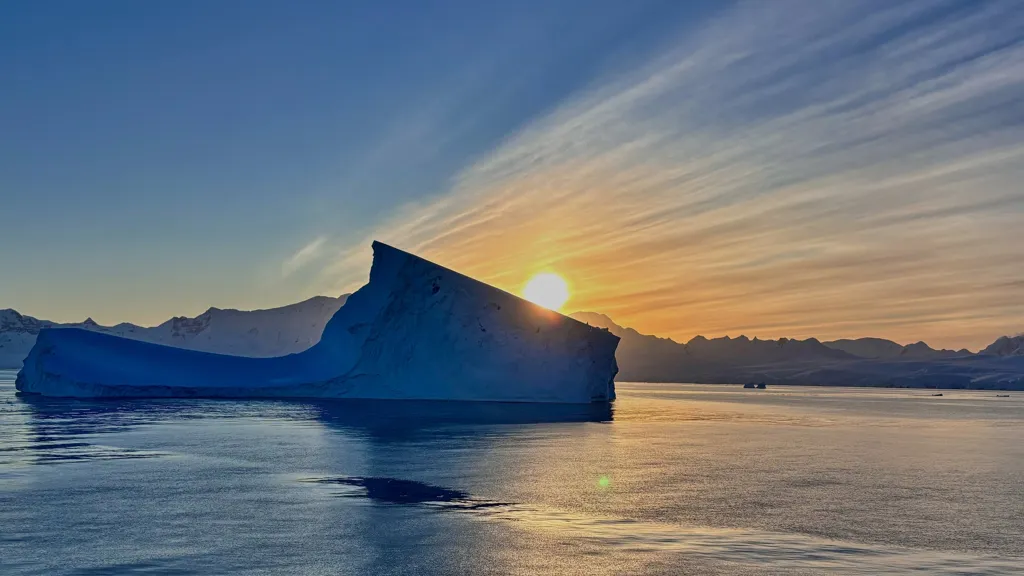
Thwaites lines up most closely in longitude with U.S. Mountain time, so that's what this expedition will be using. But our days will feel strange regardless: It's summer in Antarctica, which means daylong daylight and nightless nights.
Who's paying for your travel?
The Korean Polar Research Institute doesn't charge participants for shipboard costs such as food, fuel and lodging. The New York Times is covering all other expenses of its journalists, including our equipment and travel to and from New Zealand. The institute, which has no control over The Times's coverage, routinely operates these expeditions for scientists and researchers.
How can I ask you more questions?
Email us at antarctica@nytimes.com or leave a comment. We'd love to hear from you and will respond to as many questions as we can during our journey.