The government's strategy for animal welfare offers substantial improvements in the lot of kept animals but, in keeping with precedent, free-living wildlife is sold short (Editorial, 23 December). The law protecting wildlife is outdated and, as recommended by the Law Society, is ripe for review. Why, for example, have comprehensive protection for four of our native mustelids and almost nothing for the remaining two? Further, the recent Animal Welfare (Sentience) Act requires the government to consider sentience when framing policy. Against this background, one would have thought a review of outdated wildlife legislation would be a priority.
Instead, the edges are tinkered with yet again. The government's strategy includes a proposal for a close season for hares. It is claimed that fewer young hares will be left vulnerable to starvation and predation. All well and good, unless you happen to be a stoat, a weasel, a carrion crow or a mole - native species which enjoy almost no protection, meaning that thousands of their offspring will continue to die when their parents are killed during the breeding season.
Alick Simmons
UK deputy chief veterinary officer, 2007-15
The animal welfare strategy sets out a promising plan for raising the welfare of millions of animals that suffer unnecessarily (Hen cages and pig farrowing crates to be outlawed in England, 22 December). However, to achieve its ambitious vision of ensuring that as many animals as possible have a good life, the strategy must go further to tackle factory farming.
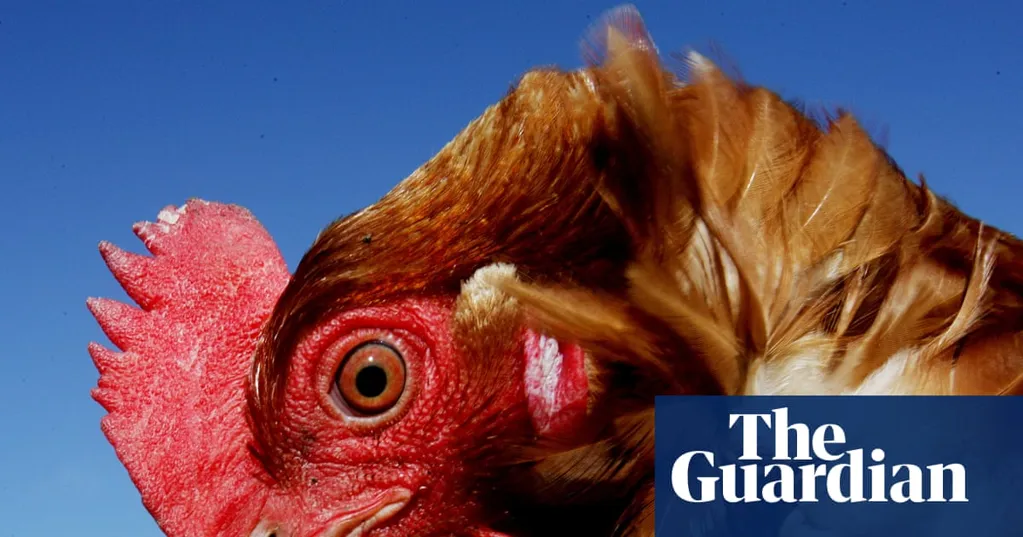
Every year, millions of animals are confined on UK factory farms in abysmal conditions. The strategy has taken crucial steps towards protecting farmed animals from the most cruel aspects of factory farming. Hens will no longer be caged for their eggs and mother pigs will no longer be confined in small crates where they are unable to turn around. However, there are few indications that the strategy will seek to halt the expansion of the factory-farming systems driving such cruelty and threatening our climate, environment and health.
The strategy's announcement comes ahead of the government's national food strategy and farming vision in 2026. I urge the government to prioritise a shift away from factory farming and support a just transition to nature-friendly farming that benefits animals, farmers and the planet.
Ruth Tanner
UK country director, World Animal Protection
The proposed ban on electric collars for dogs and cats would result in many more deaths and injuries for cats, if implemented. Electric collars for cats are not for training; they are for containment, and prevent cats straying on to roads and getting run over. We lost many cats to painful, unnecessary deaths on roads, until we installed a containment system.
The collars issue a warning bleep if the cat gets close to the perimeter wire, and only give a small electric pulse if the cat moves closer; they soon learn not to get too close.
We have not had a cat run over in the 20 years we have had such a system, and have never experienced our cats upset or traumatised by the collars. Another benefit is that containment limits the cats' exposure to wildlife. Banning these containment systems would be a cruel removal of cats' safety.
David Sutton
Salisbury, Wiltshire
It's welcome news that Labour is bringing in legislation to protect animal welfare (Boiling lobsters alive to be banned in UK animal cruelty crackdown, 22 December). If humans stop being cruel to animals, then possibly humans will also stop being cruel to other humans. You can but dream.
Ann Newell
Thame, Oxfordshire
I've always felt sorry for lobsters, especially as it's easy to dispatch them instantly. But what are we going to do about mussels?
David Helliwell
Oxford