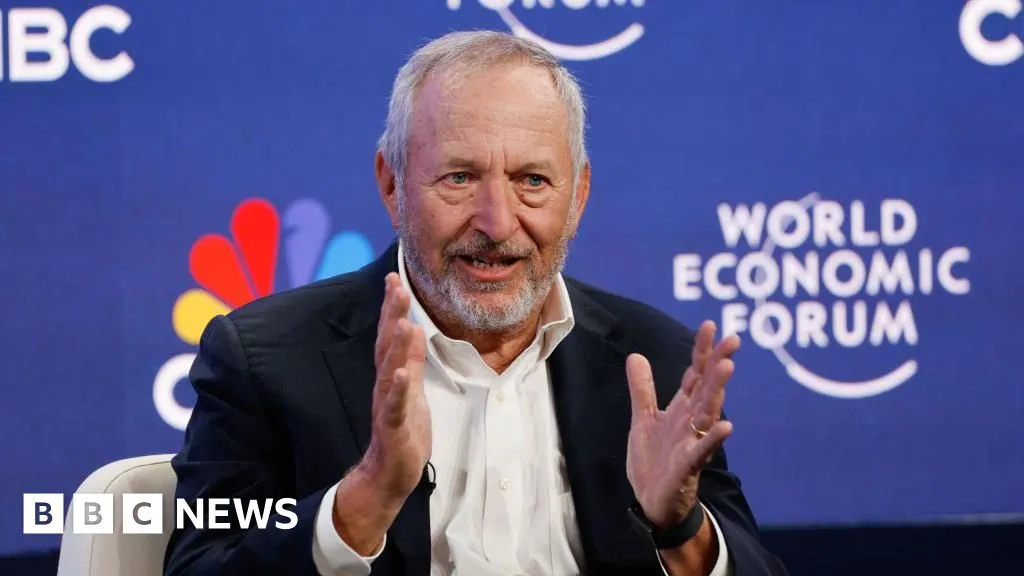
Cambridge, Massachusetts - - Lawrence Summers, former U.S. Treasury Secretary and former President of Harvard University, announced his resignation from his teaching position at the institution, effective at the end of the current academic year. The decision comes amid ongoing scrutiny regarding his past relationship with convicted sex offender Jeffrey Epstein, and follows a university review of released emails and documents detailing their connection.
Summers, who served as President of Harvard from to, had previously taken a leave of absence from the university in following the release of emails by the Department of Justice and Congress. These communications revealed a closer relationship with Epstein than had been publicly acknowledged. While Summers has not been accused of any wrongdoing in connection with Epstein's crimes, the controversy prompted the university to initiate a review of his interactions.
"I have made the difficult decision to retire from my Harvard professorship at the end of this academic year," Summers said in a statement obtained by CNBC. "I will always be grateful to the thousands of students and colleagues I have been privileged to teach and work with since coming to Harvard as a graduate student 50 years ago."
The resignation marks the latest development in a series of repercussions for Summers stemming from his association with Epstein. Earlier this month, he also stepped down from his position on the board of OpenAI, an artificial intelligence company, following further scrutiny of the released email correspondence. The timing of his departure from Harvard coincides with the university's ongoing internal review, suggesting a desire to avoid further disruption and allow the institution to move forward.
Born in , Summers has held a number of prominent positions in both academia and government. Prior to his presidency at Harvard, he served as the 71st United States Secretary of the Treasury under President Bill Clinton from to. He also served as the 8th Director of the National Economic Council under President Barack Obama from to. His career has been marked by significant contributions to the field of economics, including receiving the John Bates Clark Medal in .
Summers' statement indicated his intention to remain engaged in research and analysis following his retirement from Harvard. "Free of formal responsibility, as President Emeritus and a retired professor, I look forward in time to engaging in research, analysis, and commentary on a range of global economic issues," he stated. This suggests a continued commitment to public discourse despite stepping away from his formal teaching role.
The controversy surrounding Summers' ties to Epstein has reignited a broader conversation about the responsibilities of prominent figures to disclose and address past associations with individuals accused of serious misconduct. The case highlights the potential for reputational damage and professional consequences stemming from such connections, even in the absence of direct involvement in wrongdoing.
Harvard University has not yet commented on the specifics of its review or the potential impact of Summers' resignation. However, the university's decision to initiate the review underscores the seriousness with which it is treating the allegations and the need to maintain public trust. The situation also raises questions about the vetting processes for individuals holding prominent positions within the institution.
The fallout from the Epstein case continues to reverberate through various sectors, including academia, politics, and finance. Summers' resignation represents a significant development in this ongoing saga and serves as a reminder of the enduring consequences of association with individuals accused of criminal activity. His departure from Harvard marks the end of a long and influential career at the institution but also underscores the importance of accountability and ethical conduct in positions of power.
While Summers has not been implicated in any criminal activity related to Epstein, the scrutiny surrounding his relationship has proven untenable for his continued role at Harvard. The university's review, coupled with public pressure, ultimately led to his decision to retire, signaling a shift in the landscape of accountability for individuals with ties to the disgraced financier.