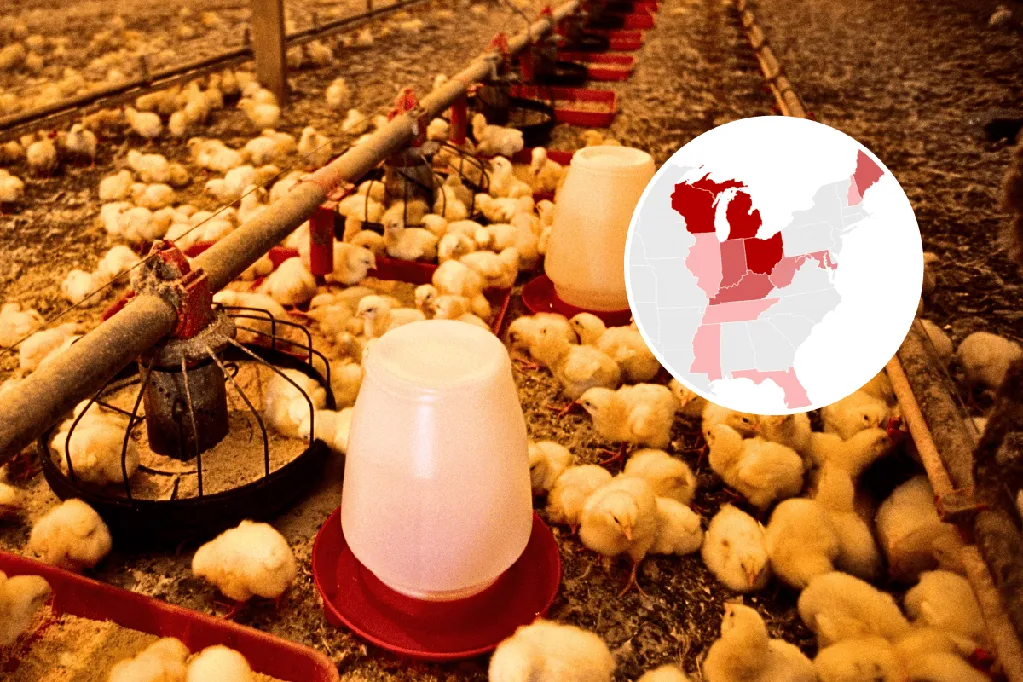
Children account for a significant share of cases, with CDC data showing more than four in 10 patients are under 5 years old. No deaths have been reported.
Laboratory testing shows the outbreak strain may be resistant to key antibiotics. The CDC warns many more infections may be going undetected.
CDC investigators say their findings show that contact with backyard poultry is making people sick. Any backyard poultry -- including chickens and ducks -- can carry salmonella germs capable of causing illness.
As of April 13, the CDC confirmed 34 infections. Illnesses began between late February and the end of March. Of the patients with available data, 13 were hospitalized. No deaths have been reported.
The CDC cautioned that the outbreak may extend beyond the currently identified states.
In its update, the agency said the true number of sick people is likely much higher than reported because many recover without medical care and are not tested for salmonella.
Recent infections may also not yet appear in official data since it can take three to four weeks to determine whether a case is part of an outbreak.
CDC demographic data show patients range in age from under a year old to 78, with a median age of 12.
More than four in 10 cases involve children younger than 5 -- a group the agency says is especially vulnerable to severe illness.
Of the 33 patients with sex information available, 58 percent were male and 42 percent female.
Investigators interviewed sick individuals about animal exposure in the week before illness.
Of the 29 people questioned, 23 -- nearly 80 percent -- reported contact with backyard poultry, according to the CDC.
Traceback data collected by the agency show that among 14 people who reported owning backyard poultry, 13 had purchased or obtained birds since January 1, 2026.
According to CDC data as of April 23, confirmed cases have been reported in:
The CDC says people don't need direct contact with birds to get sick.
Infections can occur after touching backyard poultry, eggs, or objects in their environment -- such as feed containers, cages or shoes worn in coops -- and then touching the mouth or food without washing hands.
Investigators also found that poultry sampled in Ohio carried the same salmonella strain found in sick people, reinforcing the link between backyard flocks and infections.
People interviewed by the CDC reported getting poultry from a range of sources, including agricultural retail stores.
Most people with salmonella develop diarrhea, fever and stomach cramps between six hours and six days after exposure, according to the CDC. Many recover within a week without treatment.
However, the agency urges people to contact a healthcare provider immediately if they experience:
Severe illness is more likely in young children, adults over 65 and people with weakened immune systems.
The CDC continues to recommend simple steps to reduce the risk of infection around backyard poultry.
Health officials advise:
Children should always be supervised around backyard flocks, and the CDC says children under 5 should not handle chicks, ducklings or spend time in areas where birds live or roam.
Egg safety also matters. The CDC recommends collecting eggs often, throwing away cracked eggs, refrigerating unwashed eggs, and cleaning visible dirt carefully without washing eggs in water.