By Jan. 6, there were a reported 211 cases, meaning that the number has more than doubled in the span of one week.
More than 120 new cases of measles have been reported in South Carolina since last week, bringing the total number of cases in the state to 434.
On Tuesday, Jan. 13, the South Carolina Department of Public Health (DPH) announced that at least 124 new cases of measles had been reported in the state since Friday.
By Jan. 6, there were a reported 211 cases, meaning that the number has more than doubled in the span of one week.
409 people are in quarantine and 17 are in isolation, DPH added, and their quarantine is set to end by Feb. 6 at the latest as of now.
DPH first confirmed that a measles outbreak had occurred in the state's northern region on Oct. 2, 2025, meaning that there were three or more cases of the same infectious disease "linked to a common exposure." Many of the cases have been reported in Spartanburg County, which borders North Carolina.
According to DPH, one person who was infected with measles visited the South Carolina State Museum in Columbia on Friday, Jan. 2 -- and the agency has warned that anyone who visited the museum between the hours of 1 p.m. and 5 p.m. may have been exposed, as the person did not know they were infectious at the time.
South Carolina health officials report that the incubation period for measles is usually 7 to 14 days, but can be up to 21 days, meaning people who were exposed in early January could begin developing symptoms now.
"DPH is asking anyone who was at the museum during that specific day and time to contact a health care provider if you believe you may have been exposed and you develop symptoms, or if you do not have immunity to measles," officials said, noting that symptoms of measles include a cough, runny nose, red watery eyes, and fever followed by a rash two to three days later.
"People who were exposed, especially those without immunity through vaccination or previous disease, should monitor for symptoms through Jan. 23."
Dr. Linda Bell, the state epidemiologist, said in a Dec. 10 press briefing that 27 of South Carolina's cases had been reported in just three days, and they included students from nine schools who were then quarantined.
"That is a significant increase in our cases in a short period of time. And I think accelerating is an accurate term. I mean, that is a spike in cases that we're concerned about," Bell said.
A church and a healthcare setting were also named as locations where measles exposure happened.
At the time, Bell also pointed out that "we have a lower than hoped for vaccination coverage in the population. There is the highly infectious characteristics of this virus, and so all of those are contributing factors."
The New York Times reported that only about 90 percent of Spartanburg County children had received the required childhood immunizations, which included the measles, mumps and rubella shot. The Community Immunity Threshold (CIT) -- the amount of the population that needs to be immune to prevent the spread of disease -- recommended by the American Academy of Pediatrics is about 92-94%.
As Bell said in the conference, "Vaccination continues to be the best way to prevent the disruption that measles is causing to people's education, to employment."
"If people are willing to be vaccinated, receiving an MMR vaccine within 72 hours of exposure has been shown to prevent measles infections or anyone vaccinated beyond that period could avoid future quarantine if exposed again, and most importantly be protected from the disease."
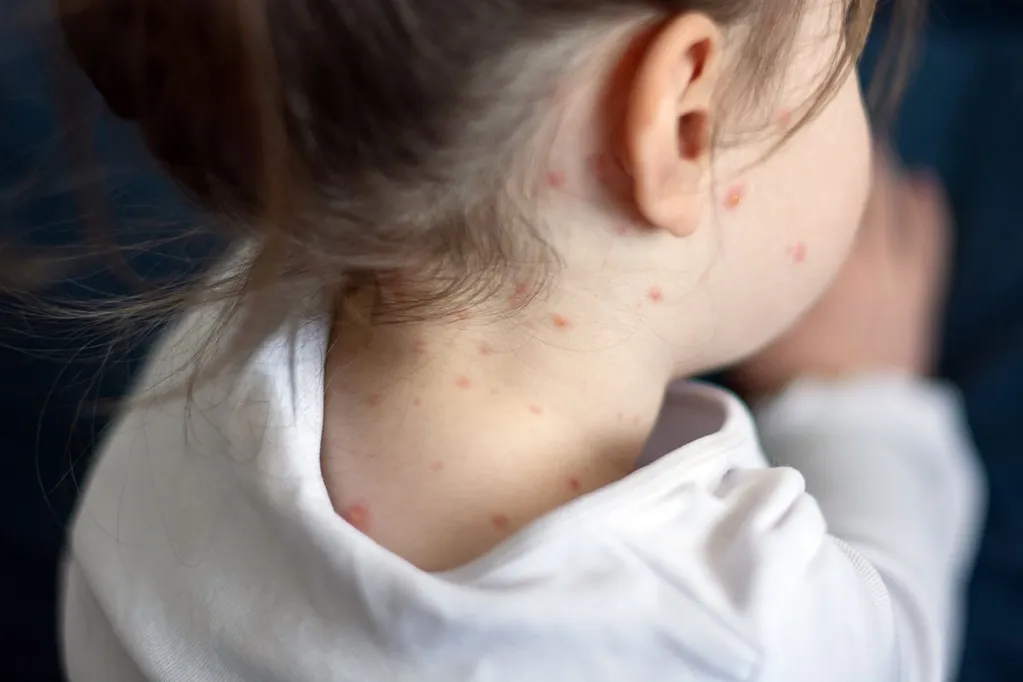
The most commonly known symptom of measles is a red skin inflammation, but measles isn't just a little rash, according to the U.S. Centers for Disease Control (CDC), which notes that in addition to a high fever, cough, and runny nose, measles also carries a risk of pneumonia and encephalitis (swelling of the brain), which can cause hearing loss, cognitive disabilities and death.
Several other states are now reporting their first measles cases of the year, including Georgia, Oregon and Virginia.
Last year, the U.S. saw 2,144 cases of measles, with illnesses reported in 44 states. In 2024, there were 285 cases.