Morning, I'm Louise Moon from Bloomberg UK's breaking news team, bringing you up to speed on today's top business stories.
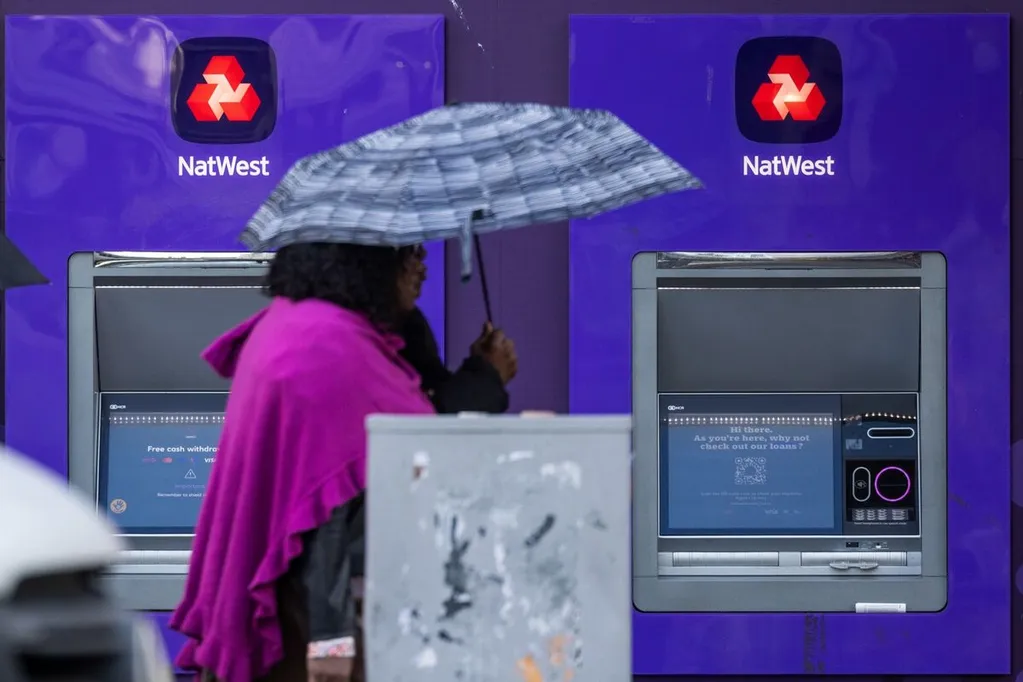
A healthy appetite for both saving and borrowing pushed NatWest's first-quarter profit up to £2 billion.
Customer deposits increased by £3.1 billion, indicating a resilient Brit keen to save cash despite dealing with higher taxes and economic uncertainty ramping up with the Iran war. Chief executive Paul Thwaite said it benefited from "healthy customer activity."
It's the latest UK lender to report since the conflict began, with each warning that inflation risks loom which would heighten pressure on the consumer.
Loans from NatWest, one of the country's largest mortgage lenders, increased by £7.2 billion and it's expecting a bumper year. Still, shares fell 4% in early trading as some analysts said the numbers and guidance just aren't enough.
What's your take? Ping me on X, LinkedIn or drop me an email at lmoon13@bloomberg.net. Oh, and do subscribe to Bloomberg.com for unlimited access to trusted business journalism on the UK, and beyond.
What We're Watching
Chiming with that, house prices unexpectedly rose for the fourth straight month, according to Nationwide. It suggests buyers are unfazed by a jump in borrowing costs since the Iran war started. More from my colleague Morwenna below.
The Bank of England may have kept rates on hold yesterday but it's edging in a more hawkish direction of hikes, in tandem with the ECB. That could happen as soon as June to stave off the threat of renewed inflation.
King Charles' visit to the US has resulted in a major trade concession: Donald Trump has said he'll remove some Scotch whisky tariffs. Those have been a major flashpoint between the US and UK, so it marks a key win for Britain particularly as it tries to thaw an icy special relationship.
While Keir Starmer is likely pleased his gamble of sending the apolitical monarch into the politically charged White House has paid off, but that thawing may not last. UK officials have privately expressed scepticism the trip would ease Trump's disdain for the PM.
Global Catch-Up
- Trump says the Iran blockade is 'incredible' as pump prices keep rising.
- How Ketamine spawned a $1.7 billion J&J psychedelic blockbuster drug.
- Kolkata-born writer Amitav Ghosh on India and the emergent world order.
Markets Today: Resilience
Here's your daily snap analysis from Bloomberg UK's Markets Today blog:
House prices unexpectedly rose in April, with a gain of 0.4%, according to Nationwide. That was the fourth consecutive month of growth, although at a slower pace than in March, when prices went up 0.9%.
Still, economists had been expecting prices to fall 0.3%, so it’s pretty positive -- that’s if you’re someone who wants to see house prices rise, anyway.
Even Nationwide’s Chief Economist Robert Gardner said the market’s resilience was “somewhat surprising,” it coming amid weaker consumer confidence and housing sentiment as the war in the Middle East drives up mortgage rates and casts a pall of uncertainty over almost everything.
He puts it down to relatively strong household finances. Debt levels relative to income are the highest in around two decades, while rising incomes have boosted affordability.
Indeed, as Louise noted above, NatWest’s report today showed consumers have been building up cash reserves and aren’t shying away from borrowing.
There’s lots of uncertainty ahead, with the ultimate impact the conflict has on interest rates—and mortgage rates—dependent on how long the energy shock lasts and how policymakers respond. But in the short term, consumers and the housing market are powering through.
What's Next
Earnings calm down next week but we’ve still got a fair few to get through. HSBC reports its first-quarter results on Monday after this week’s string of big bank numbers. It’s followed by oil major Shell, British Airways parent IAG, Guinness maker Diageo, high street bellwether Next, JD Sports, JD Wetherspoon, InterContinental Hotels, Rightmove and more.
On the eco side of things, minimal data is expected. In politics, local elections are just around the corner and Labour is expected to get a bruising.
$ports Report
Hi, I'm David. I cover the money behind sport -- and this week, Premier League football club Brighton & Hove Albion sparked debate over plans to build a 10,000-capacity stadium for its women's team, at an estimated cost of £80 million. Most English women's teams currently play at smaller, rented stadiums, occasionally switching bigger matches to their men's ground. Some, like Arsenal and Aston Villa and soon Chelsea, play domestic league fixtures at their club's main stadium.
Yet most struggle to fill the seats. Only Arsenal gets anywhere near to filling the 60,000-seater Emirates stadium on a regular basis. Over the past season, its women's team has averaged crowds of around 36,000.
Tottenham Hotspur last weekend attracted around 7,000 against Manchester United in a 62,000-capacity stadium. The only professional women's team globally to have built a tailored stadium for women is America's Kansas City Current.
Brighton has said its new arena would be "built for her" with bespoke facilities for the team, staff and fans. Deputy chairman Paul Barber told the BBC that food and drink offerings would focus less on pints and pies that are particularly popular at the men's teams matches, for example.
Chelsea will offer buggy parks when it moves its women's team to Stamford Bridge full-time next season, as well as bespoke hospitality packages including "bottomless brunches." Manchester City's academy stadium, home of its women's team, is sponsored by buggy brand Joie.
There could also be financial benefits from a stadium just for women's football. "A women's-specific stadium can leverage women-specific sponsors and increase commercial income," says Christina Philippou of the University of Portsmouth.
Brighton chairman Tony Bloom said the planned stadium was "historic" - not just for Brighton but for women's football as a whole.