Netflix Inc. and Warner Bros. Discovery Inc. faced a skeptical Senate panel Tuesday as their executives defended their $82.7 billion media merger against lawmakers' concerns about the proposed tie-up and its impact on streaming consumers and Hollywood workers.
"We will give consumers more content for less," Netflix co-Chief Executive Officer Ted Sarandos told the Senate's antitrust subcommittee, adding that the combination would help improve distribution of Warner Bros.' iconic films.
About 80% of subscribers to Warner Bros.'s HBOMax also subscribe to Netflix, he said, making the point that consumers often subscribe to multiple streaming services. Combining Netflix and Warner Bros. would account for only about 10% of viewing time, Sarandos said, a market dominated by Alphabet Inc.'s YouTube. The deal will give Netflix a larger library to compete with Big Tech rivals like Amazon.com Inc.'s Prime and Apple Inc.'s Apple+, he said.
Sarandos was responding to questions from Senator Mike Lee, the Utah Republican chairing the hearing, who said the deal raises "numerous antitrust concerns," pointing to how Netflix and Warner Bros. compete to offer streaming content and for labor. Netflix would also have an incentive to release content directly to streaming, harming movie theaters, he said.
Netflix seeks to become "one platform to rule them all," Lee said.
Bruce Campbell, Warner Bros. chief strategy officer, said the company determined it would be best to separate the movie studio from the television business. Campbell said Netflix's offer allows Warner Bros. to expand its distribution while spinning out the company's sports and news assets.
"The abundance of streaming options has made it harder for Americans to find the content they want," he said.
Rival bidder Paramount Skydance Corp. opted not to appear at the hearing after the company's chairman and chief executive officer, David Ellison, turned down an invitation to testify last week.
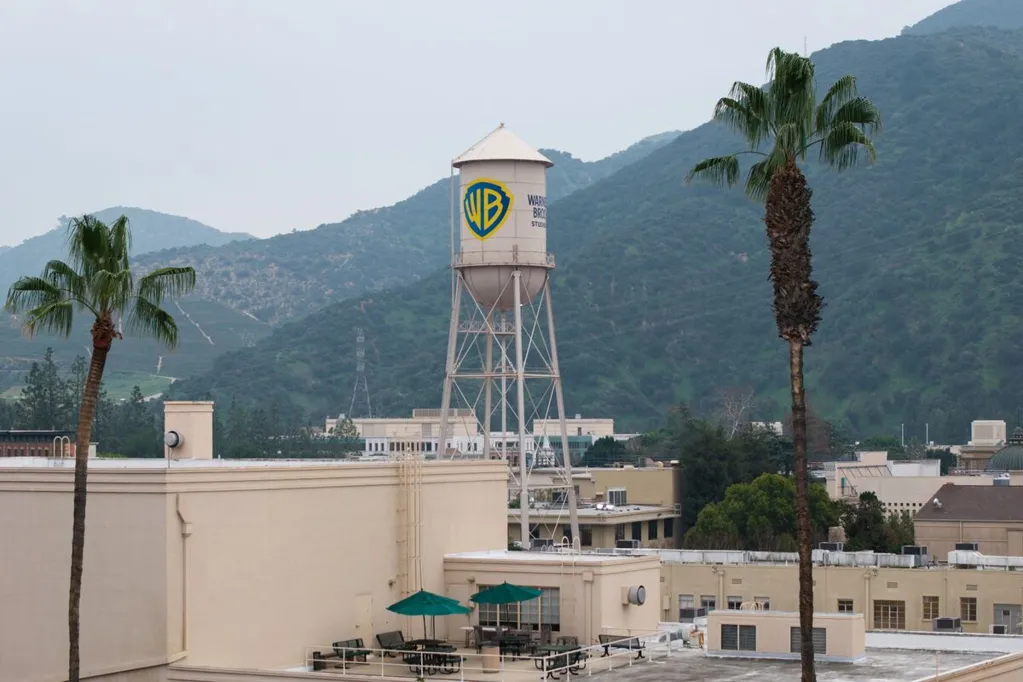
The battle for Warner Bros., known for films from Casablanca to Batman, is one of the biggest media deals in years and stands to reshape the entertainment industry.
Both the US Justice Department and Europe's antitrust watchdog, the European Commission, are reviewing the Netflix-Warner Bros. transaction for antitrust concerns. Various state attorneys general, including California, are also expected to review the deal.
In a Jan. 22 letter, Lee suggested Netflix was using what is expected to be a lengthy antitrust review as a way to weaken a competitor.
Lee pressed Sarandos on whether Netflix truly does compete with YouTube, saying the two services offer different types of content and while the former is a paid service, YouTube is free.
"It's a zero sum game," Sarandon said, referring to Netflix competing for viewers with various content providers. Netflix is "competing for the moment of choice, it's competing for viewers' attention."
In response to a question from Senator Adam Schiff, a Democrat from California, Campbell said that consumer prices won't go up and people won't lose jobs.
New Jersey's Cory Booker, the panel's top Democrat, said he was frustrated that Paramount's Ellison declined to testify at the hearing, though he acknowledged the CEO had met privately with him to discuss the deal.
The acquisition of Warner Bros. "by anyone would increase control over what we hear, what we see and what we consume," Booker said.
Ellison, who is the son of tech billionaire and Trump supporter Larry Ellison, told the committee he didn't think his testimony would be useful because Warner Bros. had rejected their multiple offers, Bloomberg reported. He offered to submit written testimony and to appear before the panel if the Netflix deal isn't completed and Paramount's offer advances.