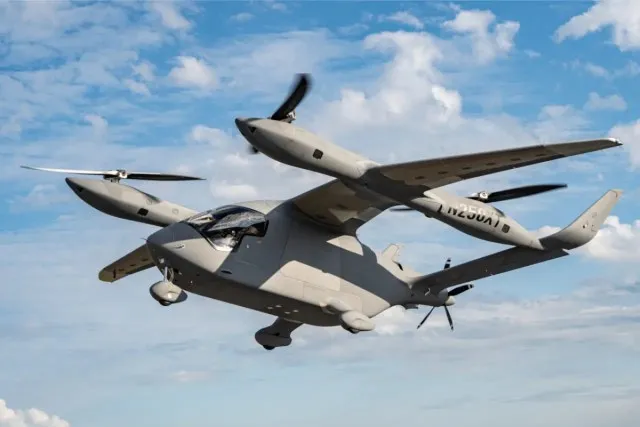
RALEIGH - The N.C. Department of Transportation Division of Aviation has submitted a proposal to participate in the Federal Aviation Administration's Electric Aviation Integration Pilot Program (eIPP), an initiative designed to support the safe integration of electric vertical takeoff and landing aircraft (eVTOL), such as air taxis, and advanced air mobility (AAM) technologies into the national airspace.
If selected, North Carolina's participation would focus on practical, real-world operations that provide public benefit while generating data to support FAA decision-making and future regulatory frameworks. The proposal emphasizes the use of smaller electric aircraft to move people and goods between communities that are not currently served by traditional commercial aviation.
"This proposal reflects a coordinated approach to connecting rural populations with hospitals that are typically a few counties away," said Julie White, deputy secretary of multimodal transportation at NCDOT. "By using electric aircraft and air taxis, we can help patients in remote areas reach critical care faster, strengthening regional healthcare networks across the state."
Unlike the traditional hub-to-hub aviation model, electric aircraft and air taxis have the potential to operate point-to-point, connecting rural and urban communities more directly. This approach offers the flexibility of a car with the speed of a plane. It expands access to aviation in communities that have historically been left out of the system.
As the birthplace of powered flight, North Carolina continues to build on its aviation legacy through investments in infrastructure, workforce development and emerging technologies. The state's eIPP proposal aligns existing advanced air mobility efforts with federal priorities and emphasizes operational readiness.
If selected, NCDOT plans to initiate early activities within 90 days, including a public electric aviation demonstration, deployment of charging infrastructure and operational demonstrations focused on health care and emergency response.
"eVTOL technology represents a meaningful step forward in improving access to specialized care and strengthening time critical medical transport capabilities supporting regional healthcare delivery," said Stuart Ginn, MD, Medical Director of WakeMed Innovations. "The eIPP proposal reflects North Carolina's dedication to patient focused innovation and rigorous operational safety -- key elements for integrating new aviation technologies into our healthcare infrastructure."
Government officials are also committed to advancing electric aviation in our state.
"North Carolina is well positioned to help lead the nation with electric aircraft and processes for AAM type certification. The eIPP will help mature electric aviation from concept to reality," said Senator Ted Budd. "This effort supports innovation while maintaining a strong focus on safety, reliability and economic opportunity."
Through participation in the eIPP, North Carolina aims to help shape national standards for electric aviation while strengthening mobility options, supporting economic growth, improving health care access and reinforcing the state's role as a leader in aviation innovation.