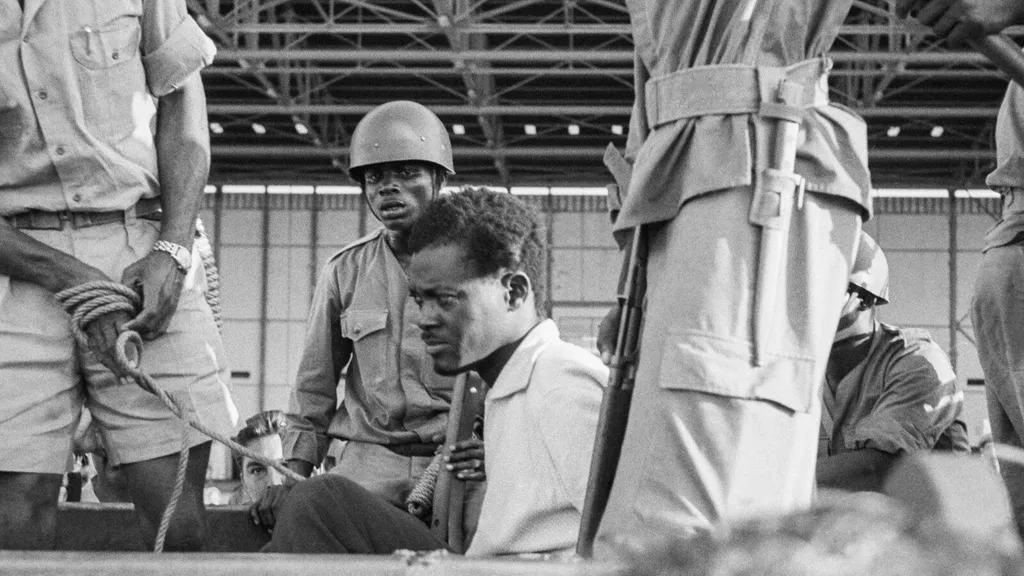
A Brussels court this month ordered Étienne Davignon, a 93-year-old former Belgian diplomat, to stand trial for war crimes related to the 1961 assassination of Patrice Lumumba, the first democratically elected leader of Congo. Human rights groups cheered. The Lumumba family called it "the beginning of a reckoning that history has long demanded." After decades of equivocation, Belgium finally seemed willing to confront its colonial past.
If only it were so simple.
The desire for accountability is entirely legitimate. Mr. Lumumba's overthrow and assassination was one of the Cold War's great crimes -- a conspiracy involving White House officials, C.I.A. spooks, U.N. diplomats, Congolese separatists, and, yes, Belgian envoys. It cut short the life of a young and charismatic leader, installed a kleptocratic dictator in his place and set what is now the Democratic Republic of Congo on a ruinous path from which it has never entirely recovered.
No one apart from the Congolese people has ever paid a price. Neither the United States nor the United Nations has formally apologized. In 2002, Belgium's foreign minister expressed "profound and sincere regrets" for Mr. Lumumba's death, but hedged by pinning blame on "some members of the government, and some Belgian actors at the time." A 2020 letter from Belgium's king to Congo's president about the early colonial period, when his great-great-granduncle King Leopold II ran an ivory- and rubber-producing slave state, merely observed that "acts of violence and cruelty were committed."
The Belgian court's decision is a poor substitute for a true reckoning. The accused nonagenarian, Mr. Davignon, was a bit player in the events. He is the sole survivor among a list of a dozen or so Belgian officials whom the Lumumba family alleges bore responsibility for Mr. Lumumba's death.
The legacy of Mr. Lumumba's assassination is weighty and enduring. Early meddling distorted Congo's politics, and in the 65 years since Mr. Lumumba's killing, his country has been ruled by corrupt, unresponsive leaders of various stripes, often with the backing of foreign patrons. The vast majority of Congo's population lives on less than $3 a day. Outside powers still treat it as little more than a source of violence and misery -- and minerals, in which Congo is extraordinarily wealthy.
Mr. Lumumba's death was the culmination of a coordinated, largely foreign effort to remove him from power. An uncompromising nationalist whose party won Congo's first free democratic elections, he became prime minister of the newly independent country in June 1960. Within weeks, an army mutiny and the Belgian-backed secession of the mineral-rich province of Katanga plunged Congo into crisis.