The maker of Ozempic, Novo Nordisk, has been hit with a lawsuit over allegations of wrongful death after a woman using the drug died from gastroparesis, a condition also known as stomach paralysis. Novo Nordisk denied the allegations.
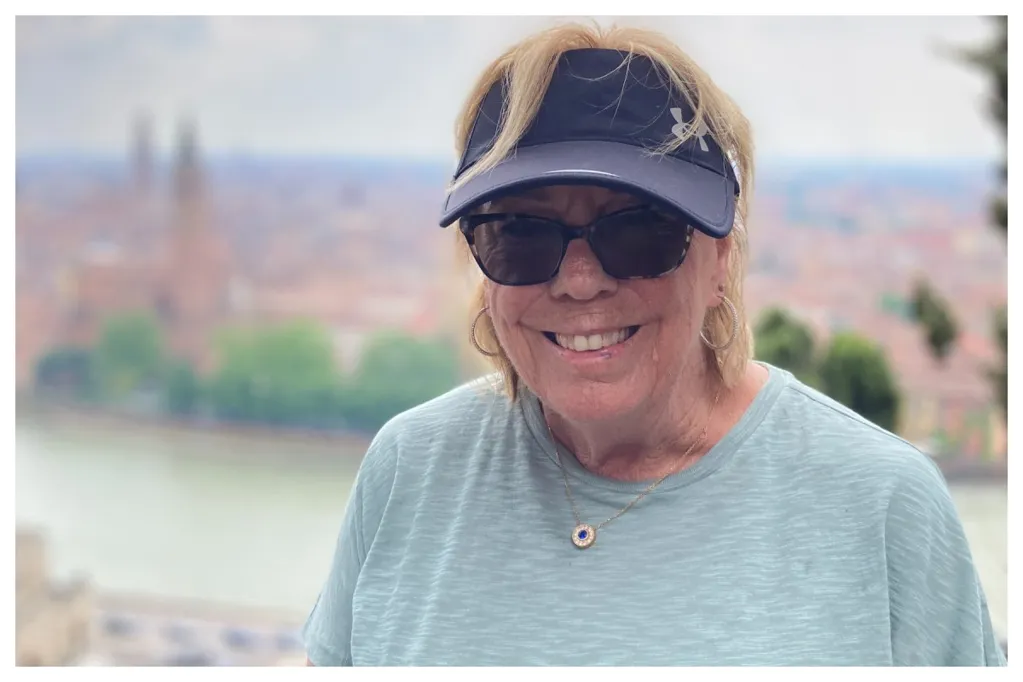
Marsha Ettinghoff, 76, who had been taking the weight loss drug for six months, died from stomach paralysis, a condition where food passes through the stomach slower than it should, in August 2024 after feeling ill on holiday, attorneys representing her husband, Tracy Ettinghoff said. The attorneys, from the law firm Motley Rice, said the couple believed she had food poisoning after Ettinghoff experienced nausea and vomiting and said doctors prescribed her antibiotics and anti-nausea medications.
But after a few days, Ettinghoff complained she felt as if she had stuff regurgitating in her throat, Motley Rice said. They said her son then found her struggling to breath and as her family drove her to hospital she aspirated on her vomit and died.
Weight loss drugs like Ozempic are fast becoming household names in the United States and many Americans have used glucagon-like peptide (GLP-1) drugs, including Wegovy and Mounjaro, for weight loss. Ozempic is Food and Drug Administration (FDA) approved for type 2 diabetes, reducing cardiovascular risk and chronic kidney disease, but not for weight loss, while Wegovy has been approved for weight loss.
Studies have linked Ozempic to gastroparesis and other stomach conditions in rare cases. Gastrointestinal reactions and digestive issues are listed as potential side effects of Ozempic but gastroparesis is not, Motley Rice said.
Ettinghoff's family filed a lawsuit alleging that Novo Nordisk knew or should have known the risks posed by GLP-1 RA medications, including severe gastrointestinal complications and other injuries, but failed to update their warnings and labeling to adequately inform doctors and patients," Jonathan Orent, a Motley Rice attorney said. "They had a responsibility to disclose what they knew, and they didn't."
He added: "The complaint asserts multiple product liability and negligence based claims, including failure to warn, design defect, negligence, breach of warranty, fraudulent concealment, and wrongful death. These counts reflect the many ways in which we allege the companies failed to protect patients."
The lawsuit, which seeks damages and a jury trial, was filed on March 3, 2026. It comes as part of two federal multidistrict litigations undertaken by Motley Rice who said more than 2,000 individual lawsuits have been consolidated in Pennsylvania. Motley Rice said these litigations streamline pretrial proceedings but keep each case individual.
A Novo Nordisk spokesperson told Newsweek: "This lawsuit is yet another filed by one of the Plaintiffs' firms that has been filing cases over the past two years in the GI litigation pending before a federal judge in Philadelphia. Novo Nordisk believes the allegations in all of the lawsuits are without merit, and we intend to continue to vigorously defend against all of these claims. Patient safety is our top priority at Novo Nordisk, and we work closely with the U.S. Food and Drug Administration to continuously monitor the safety profile of our medicines. Novo Nordisk remains confident in the benefit-risk profile of our GLP-1 medicines when used consistent with their indications and product labeling."
Tracy Ettinghoff told Newsweek: "I am certain had [Marsha] known this injury could occur in taking this medicine, she never would have taken this drug. No one should have to experience losing a loved one like this. Watching her take her final breath while rushing back to the hospital is something that I will carry with me forever."
"Marsha died as a result of aspiration after days of uncontrolled and severe vomiting," Motley Rice attorney Grace Chandler told Newsweek. "While the label only recently added a warning of severe gastrointestinal adverse reactions, it has always indicated nausea and vomiting are common side effects during dose escalation, but the messaging from Novo Nordisk has downplayed these effects as manageable and minor when the reality is these can be life threatening conditions -- they are not just uncomfortable side effects. The label and warnings from Novo Nordisk are insufficient in conveying the severity and seriousness of these conditions. Her case reflects a pattern seen in many filings and in this case, tragically, it was fatal."
As part of the multidistrict litigation, Motley Rice is also representing Todd Engel, a 62-year-old man from Maryland who sued Novo Nordisk in April 2025, alleging he became legally blind after taking Ozempic. Engel accused Novo Nordisk of negligence. His case is moving forward through the multidistrict litigation.
Meanwhile, in November, President Donald Trump announced a deal with drugmakers Eli Lilly and Novo Nordisk to expand Medicare coverage and reduce prices for popular obesity drugs Zepbound and Wegovy.