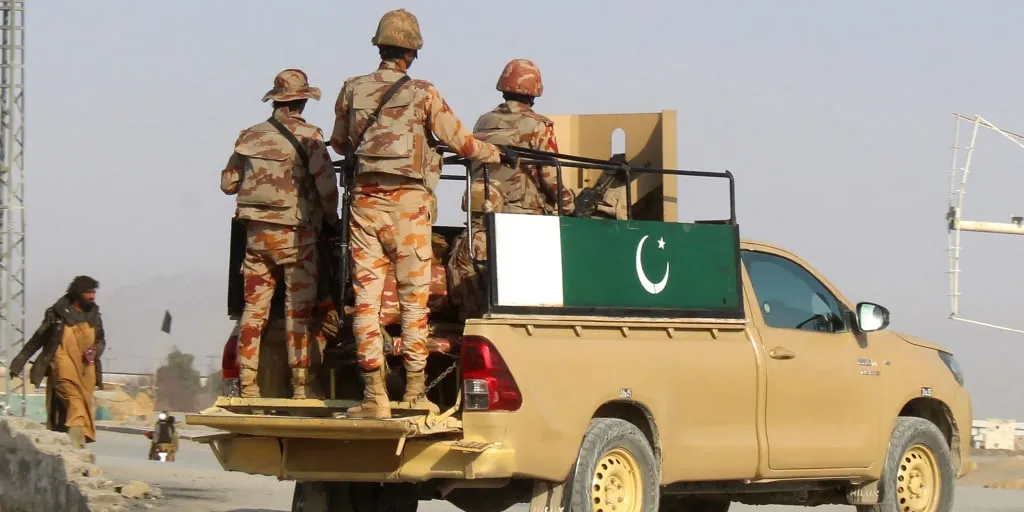
The South Asian nation has emerged as an unlikely mediator in global efforts to end the U.S.-Israeli war with Iran. But it is also engaged in its most severe fighting in decades with neighboring Afghanistan, a conflict that has been largely overshadowed by the war in the Middle East.
Pakistan has offered its capital, Islamabad, as a potential meeting site for U.S. and Iranian negotiators, with President Donald Trump saying "great progress" is being made toward talks and Tehran denying there are talks happening at all. Trump, who is set to address the nation Wednesday night, also told NBC News on Tuesday that Iran does not have to make a deal for the conflict to end.
If talks do happen, however, Pakistan wants to be the one to host them. The country of more than 250 million people is seeking greater regional influence, and it also has a lot to lose if the war continues, with Iran's shutdown of the Strait of Hormuz blocking almost all of Pakistan's oil and gas imports.
Pakistan has already helped the U.S. send Iran a 15-point ceasefire proposal, though Tehran responded with suspicion. This week, it also hosted two days of talks in Islamabad with the foreign ministers of Saudi Arabia, Turkey and Egypt, three other regional powers seeking de-escalation of the conflict.
Pakistan has "full support" from those countries as host of the talks, Foreign Minister Ishaq Dar said, as well as from China, which on Tuesday issued a five-point initiative for peace with Pakistan as Dar was visiting Beijing.
"Pakistan will be honored to host and facilitate meaningful talks between the two sides in coming days," he said earlier this week, adding that both the U.S. and Iran "have expressed their confidence in Pakistan to facilitate the talks."
Even as the foreign ministers were discussing how to end the Iran war in Islamabad on Sunday, Pakistan was trading heavy fire with Afghanistan, as the two countries began the second month of a conflict that has killed civilians on both sides.
The Afghan government said one person had been killed and more than a dozen others wounded, mostly women and children, by Pakistani shelling outside the eastern city of Asadabad. Pakistan officials denied targeting civilian areas and said they were only responding to Afghan attacks, Reuters reported.
Afghanistan is also still reeling from an apparent Pakistani airstrike on a drug rehabilitation center in Kabul on March 16. The United Nations, which condemned the strike, said at least 143 people were killed.