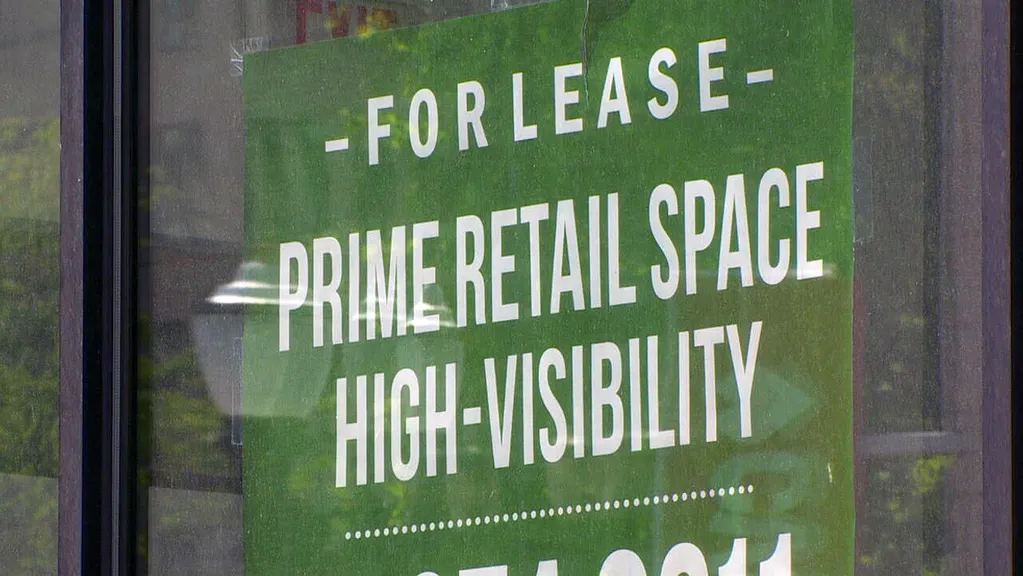
PORTLAND, Ore. -- Portland city leaders are reviewing a report on what implementing a so-called vacancy fee could look in Portland, as property owners cite the effort as a waste of time and money and one more proposal sending the wrong message about the city.
City councilors approved a study last June to research what implementing a long-term vacancy fee could look like. The request - proposed by Councilor Sameer Kanal - requested looking at charging a fee on commercial and residential property owners if their units sat vacant longer than six months.
Councilors unanimously approved the study, but a handful said their vote was in favor of information about the fee - not final support for a fee of any sort.
"I just want to clarify that this would not do any fee creation on any side of it. It would simply get us models back," Councilor Kanal told his colleagues during the budget discussion last June. "I would welcome a conversation after we receive some information back from the administrative side about - is it something that we're ready to do? Because it may not be [Fiscal Year 2026-27] either, and I think that's an appropriate thing. It's not just - do we do something, or do we not?"
The report's completion comes as Portland State's Center for Real Estate released a recent survey on the fee. More than 400 developers, property owners, and other real estate professionals responded to that survey in April.
The report said most respondents cited weak demand as the reason for vacancies. Nearly all of them, 99%, said they aren't intentionally keeping spaces open. About half said a vacancy fee would not change their leasing strategy. However, more than 6 in 10 said it would change their investment and development strategy.
Nearly 9 in 10 said a vacancy tax would not be effective in reducing vacancy.
"We already are facing substantial headwinds, and this is one more proposal that tells the rest of the United States that we're not serious about business and about the ecosystem in this community from across the board that we don't welcome all types of people here," TMT Development President Vanessa Sturgeon said.
Sturgeon said the fee has been tried and failed in other cities and said it was a waste of time and money to study the fee.
She said the "crux of the issue" is the local and state governments' approach to business.
"Our tax structure, our issues with public safety, and our reputation on the national level has made it so most institutional investors just have Portland crossed off their list," Sturgeon said.
"Portland's central business district is one of the most challenged office markets in the country today, with vacancy levels ranking among the highest across major U.S. cities," said David Kotansky, managing director and market leader for Colliers in Portland and Vancouver. "Policies that add additional financial burden to already struggling properties, such as a vacancy tax, risk further discouraging investment and slowing recovery. The priority should be creating conditions that support long-term stability, including addressing public safety concerns, fostering a more competitive tax environment in Multnomah County, and supporting a broader return to office, including public sector presence, that brings consistent daily activity back downtown."
The discussion comes as Portland lags the rest of the country in post-pandemic recovery specifically in office space leasing. A recent report from Colliers - a real estate firm - found the city's office buildings had a vacancy rate of 27% compared to about 18% nationwide. The Central Business District was worse at nearly 38% vacant.
Council President Jamie Dunphy told KATU the study is not indicative of a formal proposal in the future.
"We know in every community, every neighborhood, every center and corridor, there are empty storefronts sitting everywhere. There's empty land in East Portland. There's empty office space and there's empty residential units, and we need to come up with a solution., so the city commissioned a study on what might that solution be," Dunphy said. "Other communities have done a vacancy fee or a vacancy tax to try and address this problem, and we wanted to understand if that might be a solution here in Portland. We do not have a proposal right now. We're not clear that this is the solution to do it, but we wanted to make sure we were studying what is a right for Portland and what is working elsewhere."