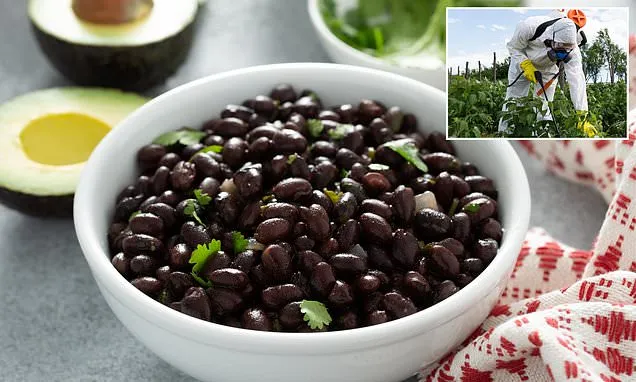
A California-based bean manufacturer is recalling three types of beans after determining they contained potentially hazardous pesticide residue.
Falcon Trading Company, Inc., based in Royal Oaks, California, operating as SunRidge Farms, has issued a recall for Organic Black Beans, Chili Bean Blend Organic and Sunset Soup Mix Organic, all sold in bulk packaging.
According to the company, the pesticide residue was traced back to organic black beans purchased from a certified organic handler. It did not specify the type of pesticide found, whether it was synthetic, or whether it was the cancer-linked glyphosate.
While the beans were sourced through certified organic channels, the presence of pesticide residue violated organic standards and prompted the recall as a precaution.
'Due to the presence of pesticide residue in an organic product, we are initiating a product recall,' the company said in a statement.
To date, no illnesses have been reported in connection with the affected products.
The company initiated the recall after discovering the issue through its own routine testing procedures. Consumers who have purchased any of the recalled items are urged to return them to the place of purchase for a full refund.
Because the items are sold in bulk, lot numbers can become mixed in sales bins, prompting the company to recall all lot numbers of the three affected products.
Falcon Trading Company, Inc, operating as SunRidge Farms in Royal Oaks, California. has recalled three organic bulk products: Organic Black Beans, Chili Bean Blend Organic, and Sunset Soup Mix Organic. All lot numbers are affected due to the potential for mixing in bulk sales bins (stock)
The specific items being recalled are: FTC item #003040 Black Organic (UPC 086700930403) sold in 25-pound sacks; SRF item #003056 Chili Bean Blend Organic (UPC 086700030561) sold in 15-pound boxes; and SRF item #013000 Sunset Soup Mix Organic (UPC 086700130001) sold in 25-pound boxes.
While the company did not disclose which pesticide was detected or whether it was synthetic or all-natural, there are numerous possibilities.
Common synthetic pesticides used in conventional bean farming include glyphosate, the active ingredient in Roundup and a chemical classified as a probable human carcinogen; organophosphates like chlorpyrifos, which have been linked to neurological damage in children; and neonicotinoids, a class of insecticides harmful to bees and other pollinators.
Any of these -- or others -- would violate organic standards, which strictly prohibit synthetic pesticides.
Pesticide Contamination Routes
Pesticide residue can end up in organic products through several routes. Cross-contamination is a common culprit. When organic farms sit next to conventional ones, for instance, pesticide spray can drift onto organic crops.
Contamination can also happen during processing, storage or shipping if organic and non-organic goods share the same equipment without being thoroughly cleaned in between.
Rarer, though no less concerning, are instances where suppliers mislabel conventional products as organic or use prohibited pesticides in violation of organic standards.
In general, the concern with pesticide residue in food is less about immediate poisoning and more about the accumulative effects of long-term low-dose exposure, which is known to include neurological damage.
Studies have linked prenatal and early-life exposure to pesticides has also been tied to reduced IQ, attention deficit disorders, memory loss, tremors and developmental delays in children.
Health Risks Associated with Pesticides
The leading pesticides used in non-organic farming have some documented ties to increased risk of cancer under prolonged exposure.
Glyphosate, the active ingredient in Roundup, is classified as a 'probable human carcinogen' by the International Agency for Research on Cancer and has been linked to non-Hodgkin lymphoma.
Ethylene oxide, a pesticide used to sterilize certain foods, is classified as a Group 1 carcinogen and has been associated with lymphoid and breast cancer.
Other pesticides have been linked to increased risks of leukemia, pancreatic cancer, and other malignancies.
Beyond the brain and hormones, pesticides can damage other organs. Some chemicals, including glyphosate, have been linked to chronic kidney disease and fatty liver disease. Respiratory issues such as asthma have also been associated with long-term pesticide exposure.
Organic products are certified to be grown without synthetic pesticides, and the presence of any such residue violates that standard. Without disclosure of which pesticide was found, consumers are left to wonder exactly what they may have been exposed to. For now, the safest course is to return the recalled products for a full refund.
If you purchased any of the recalled organic bean products from Falcon Trading Company in bulk sizes -- 20-pound, 25-pound, or 1,600-pound sacks -- do not eat them.
Even if the beans look and smell fine, the presence of pesticide residue makes them unsafe for consumption.
If you are not sure whether your beans are part of the recall or were sold by Falcon Trading, it is best to play it safe. Contact the retailer where you bought them or reach out to Falcon Trading directly for confirmation. If returning the product isn't an option, dispose of it safely.