Kaicey Baylor joined WJZ as a reporter in October 2024. Before coming to Charm City, she spent the last three years as a morning reporter and multiskilled journalist at 13News Now in Norfolk, Virginia. She covered several stories including the Chesapeake Walmart mass shooting, the Richneck Elementary shooting, as well as anti-gun violence advocates working to repair their communities.
Residents in Baltimore's Hampden community banded together after dealing with recent sewage backups in their homes.
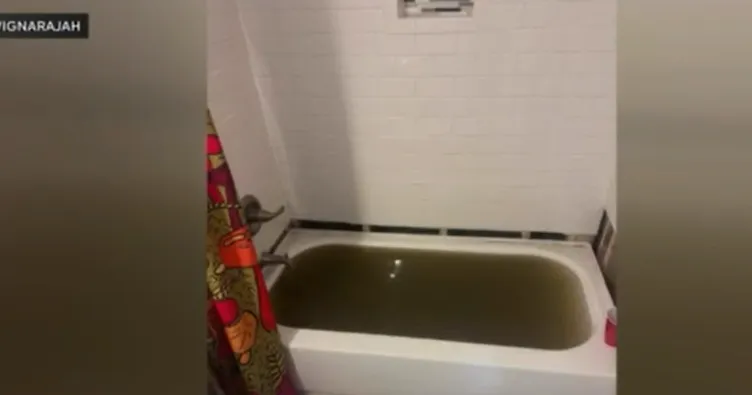
They said after January's snow event, sewer lines in their neighborhood were overwhelmed, spilling water, waste and other objects into their basements, tubs and toilets.
"We had to pump hundreds of gallons of raw sewage out of our basement," said Hampden neighbor Pamela Potter-Hennessey. "We were hit with this early in the morning and then it lasted a day and a half."
Weeks later, other neighbors experienced similar issues.
"It hadn't rained immediately, but the snow was melting," said attorney Thiru Vignarajah.
Vignarajah said the damages cost neighbors thousands anywhere between "to be determined" to $40,000. He's representing the group of neighbors.
On Thursday, he filed a letter to the Baltimore City Department of Public Works requesting reimbursement with documentation of recent backups.
They're seeking it through the Expedited Reimbursement Program, which offers up to $5,000. It says on the city's website the program is available for damage caused by wet weather events and is "recorded within a 24-hour period."
"You should expand this to everyone, especially because two-thirds of these sewage backups happen when there is no rain," Vignarajah said.
Neighbors all note this has been an issue for years due to aging sewage infrastructure.
"Seemingly from our vantage point, never ending," Potter-Hennessey said.
"They're here because they want to draw attention to a systemic city-wide problem that has been resulting in sewage water ending up in residents' basements for decades," Vignarajah said.
Vignarajah said residents also question if the apartment building, Baltimore Rotunda, is putting a strain on the aging infrastructure.
"They have noted what looks like commercial toilet goods are also flowing through their basements," Vignarajah said.
He said neighbors understand this is something the city needs to fix, but they want answers from developers.
"They, too, need to, at least, answer whether they have put a strain on a system that was already broken when it was built," he said.
The company managing the Rotunda has not responded to our request for comment.
Baltimore City DPW released a statement saying:
"The Department of Public Works understands the concerns raised by residents and takes reports of basement backups seriously. The City maintains reimbursement programs for certain wet-weather sanitary sewer overflows; however, eligibility is governed by specific criteria. Claims that fall outside existing program parameters, including basement backups produced by dry-weather events, may be submitted to the City Law Department for review through the standard claims process, and each claim will be evaluated on its individual merits."