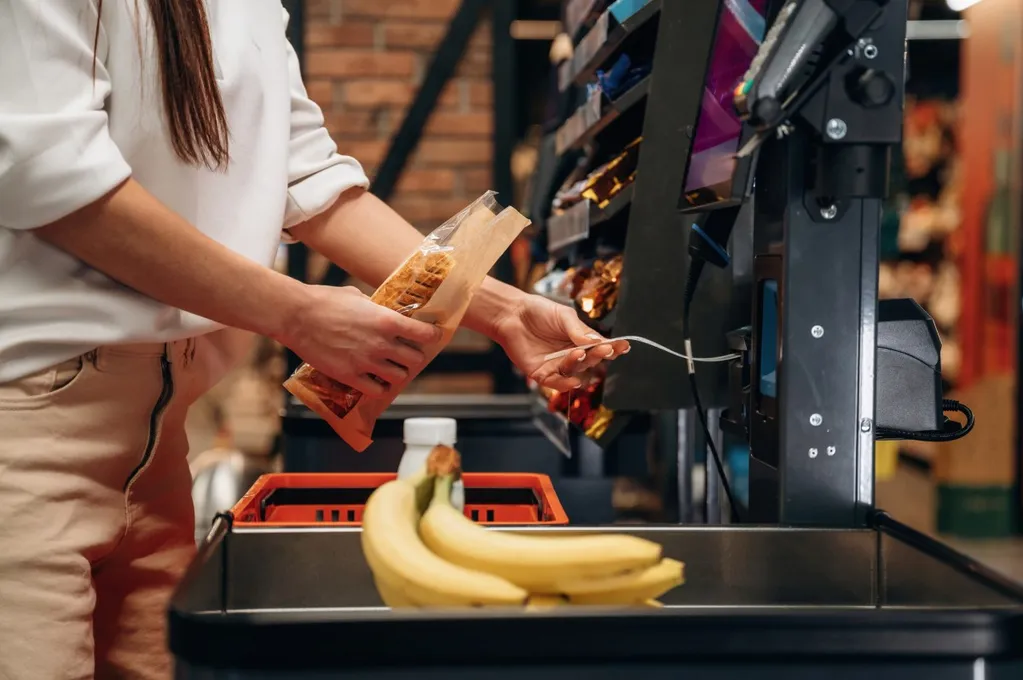
Several U.S. states are considering new restrictions on self‑checkout lanes, as lawmakers respond to rising shoplifting rates and growing concerns that expanded self‑service checkout systems have made theft harder to prevent.
While no statewide law has been approved, legislation and local bills under consideration signal a potential shift in how retailers are allowed to operate self‑checkout machines.
Proposals currently span seven states, with some already enacting binding rules, USA Today reported. The measures range from expanding staff‑to‑machine ratios to item‑count caps designed to reduce opportunities for theft.
California has seen the most concrete action to date. While a statewide bill, SB 442, has stalled, local city laws are already in effect. Cities including Long Beach and Costa Mesa now require retailers to maintain at least one staffed checkout lane and an on‑duty employee overseeing self‑checkout use. Long Beach adopted this local law in August 2025, while Costa Mesa followed suit in February 2026, making California the most advanced jurisdiction for enforcement.
Massachusetts Senator Paul R. Feeney introduced a bill in 2025 that, if approved, would limit the number of self‑checkout machines per store and require more cashier‑staffed lanes. The proposed legislation would cap the number of self‑checkout stations at eight and mandate employee oversight.
Connecticut lawmakers are reviewing similar proposals that would limit the number of self‑checkout machines stores can have and mandate that there is enough staff to monitor them. The bill was put to the Senate Committee on April 15.
In New York, discussions last held in March seem to be more focused on balancing self‑checkout with human staff rather than banning the technology outright, with New York City lawmakers also considering placing limits, such as 15-item caps on self-checkouts and employee‑to‑machine ratios.
In Washington state, lawmakers are revisiting restrictions on self‑checkout through HB 1739, a bill first introduced in 2025 and reintroduced this year. If enacted, the measure would limit self‑checkout use to customers purchasing 15 items or fewer and require retailers to maintain one staffed checkout lane for every self‑checkout station. The proposal would also restrict employee oversight, allowing no more than two self‑checkout machines to be monitored by a single worker at any given time.
In January, a bill was proposed to cap grocery stores at no more than eight self‑checkout machines operating at a time. The proposal would also require retailers to maintain one staffed checkout lane for every two self‑checkout stations and assign one employee to monitor each pair of kiosks.
Ohio lawmakers introduced a bill on April 1 (which was referred to Senate committee on April 15) that, if passed, would require grocery stores with self-checkouts to operate at least one staff-manned checkout, assign one employee to every three self-checkout stations, and limit self-checkout purchases to 15 items.
Self‑checkout theft has emerged as a central driver of these proposals. A 2026 Capital One study found that theft rates at self‑checkout stations can be as much as 65 percent higher than at traditional checkout lanes, with tens of millions of Americans admitting to stealing items at self‑scan kiosks.
While none of the pending state bills ban self‑checkout entirely, shoppers in affected areas may soon see fewer kiosks, stricter item limits, and longer lines at staffed lanes. Retailers could also be required to keep employees stationed near self‑checkout areas at all times.