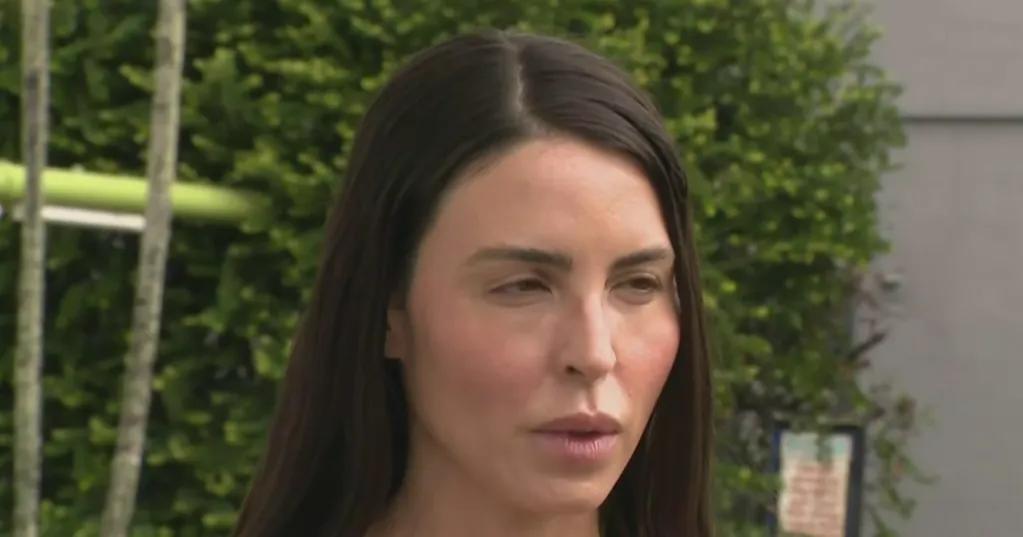
Ivan Taylor is a bilingual, award-winning TV journalist who is a seasoned reporter with extensive live and breaking news experience from local and national news outlets.
A new survey released Wednesday shows that more than 90% of Venezuelans inside the country say they feel grateful to President Donald Trump for removing Nicolás Maduro from power on January 3. The development has reverberated across South Florida's large Venezuelan community.
The poll, conducted by Caracas‑based firm Meganálisis, began three days after Maduro's ouster and surveyed more than 1,000 people across multiple states and cities in Venezuela, with roughly half of respondents identifying as women.
According to the survey, 92% of Venezuelans said they feel grateful to President Trump for Maduro's removal -- a dramatic shift after decades of political turmoil under the socialist leader.
"Venezuelans have been anxious to see change," said Ruben Chirino, president of Meganálisis. He said people grew tired of hearing about international agreements to solve the country's problems, and Trump "did the opposite."
Still, when participants were asked whether the United States now controls their country -- a claim President Trump and some allies have made in describing Washington's role -- about two‑thirds of respondents said "no." Many Venezuelans believe internal forces and remnants of the old regime still hold power, not the United States.
Oswaldo Gomez, a Venezuelan living in South Florida, echoed that skepticism.
"They don't have 100% control of the country because we were well aware of what we have, what kind of regime," he said, reflecting a widespread belief that the transition remains complex and contested.
The survey also asked Venezuelans to weigh U.S. priorities in the country's future. When given a choice between a U.S. focus on Venezuelan oil versus guaranteeing human rights, a slight majority said oil priorities appear to dominate, while nearly one‑third said both goals are equally important.
Valentina Veroes, who lives in Doral, said she believes the U.S. approach should balance economic recovery with human rights protections.
"I probably agree, but I think it's half and half," Veroes said.
Gomez said he sees a complex relationship between economics and basic freedoms.
"Both. I think immigration affects this country, as well as the need for energy. I think it is a win‑win relationship that we are looking for," he said.
The Meganálisis poll underscores Venezuelans' desire for new leadership. When asked who they would support in a presidential election, 78% said they would vote for María Corina Machado, a prominent opposition leader and international peace prize winner.
By contrast, 93% said they do not believe Interim President Delcy Rodríguez is effectively leading Venezuela's transition, signaling widespread disappointment with the interim administration's handling of reforms and prisoner releases.
The survey also found that nearly 89% of Venezuelans believe Maduro was betrayed by members of his own government, reflecting deep internal fractures within the former ruling camp.
Support for stronger ties with the United States remains high. When asked if the U.S. should become Venezuela's main ally and primary supplier of products, more than 90% said yes, signaling a strong desire for economic partnership and stability after years of crisis.
The poll mirrors public celebrations among the diaspora in South Florida following Maduro's arrest. Venezuelans in Doral and Miami took to the streets waving flags and chanting for liberty, marking a moment many described as long‑awaited hope after decades of hardship under authoritarian rule.
As Venezuelan families in South Florida and back home watch how U.S.-Venezuela relations evolve, many say they hope the focus shifts from politics and power to rebuilding the country and restoring freedoms long denied under Maduro's rule.