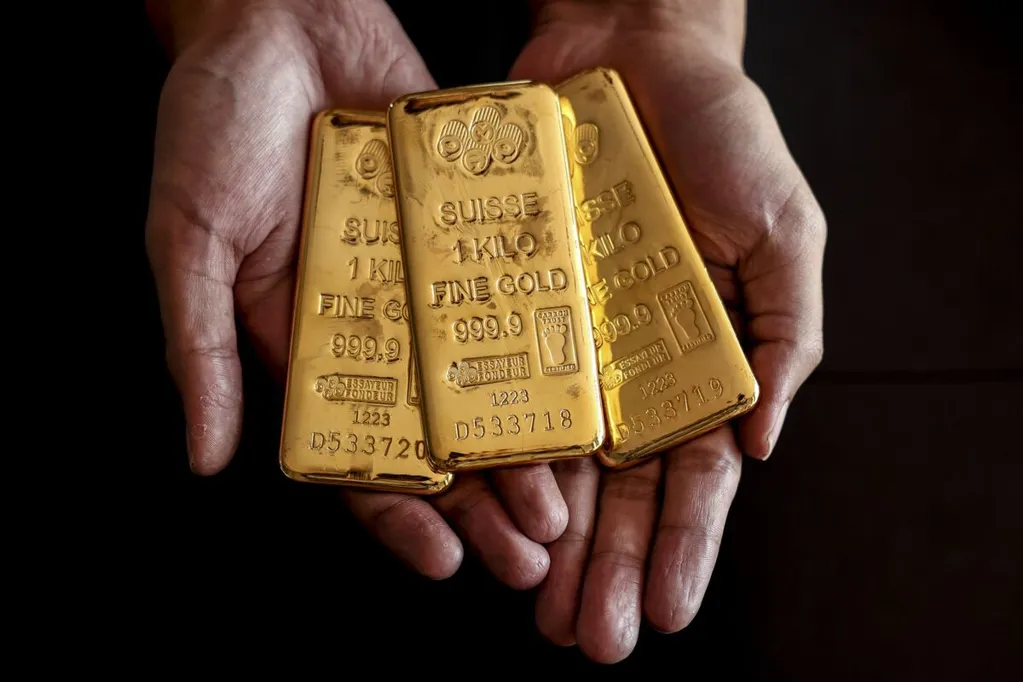
Thailand will implement tough new rules governing retail gold-trading from March 1, hoping to curb speculative activity that's fueled gains in the baht and weakened the nation's competitiveness.
Individuals' online, baht-denominated gold transactions will be subject to a daily limit of 50 million baht ($1.6 million) per person, per platform, according to the Bank of Thailand's website. The rules exempt US dollar-denominated trades, physical gold shop dealing and futures markets.
In addition, the central bank is requiring full, upfront electronic payments for any transactions. It's also banning nominee accounts and short selling, arguing the changes will boost transparency and market standards.
The move underscores growing concern within the central bank that large, baht-denominated gold trades have amplified the currency's strength. The baht has gained about 9% over the past year, making it the second-best performer among Asian currencies tracked by Bloomberg. The rally, which officials say is partly driven by dollar-sales linked to gold, has weighed on exports and tourism, adding to headwinds for the economy.
"We've seen online gold trading volumes ease slightly since the measures were floated earlier this year, but it's still too soon to tell whether that's having any impact on the currency," Teerarat Jutavarakul, managing director at InterGold Gold Trade Co. Ltd., said in an interview Thursday. "After March 1, we'll need a period of bigger price swings, like we saw in January, to really determine whether these rules are making a difference."
The rollout comes as earlier efforts to weaken gold's grip on the baht appear to be losing traction. The 60-day correlation between the currency and the precious metal climbed to the highest level since September last month, after having fallen to a two-year low earlier. That renewed linkage has helped keep the baht trading near 31 per dollar for much of this year -- a level some analysts view as a threshold at which the Bank of Thailand may step up efforts to counter excessive strength.
Policymakers have repeatedly flagged that the baht's gains have outpaced what economic fundamentals would suggest, fueled in part by speculative and high-value gold transactions that spur dollar selling and push the local currency higher. Such dynamics have reignited debate over the limits of traditional monetary tools in managing exchange-rate volatility.
In its latest statement on Wednesday, the Monetary Policy Committee said the baht's appreciation has tightened financial conditions for exporters, particularly those facing intense price competition and thin profit margins. The panel said it will closely monitor currency movements and transactions that exert significant pressure on the baht, including assessing the effectiveness and adequacy of regulatory measures already introduced for gold.