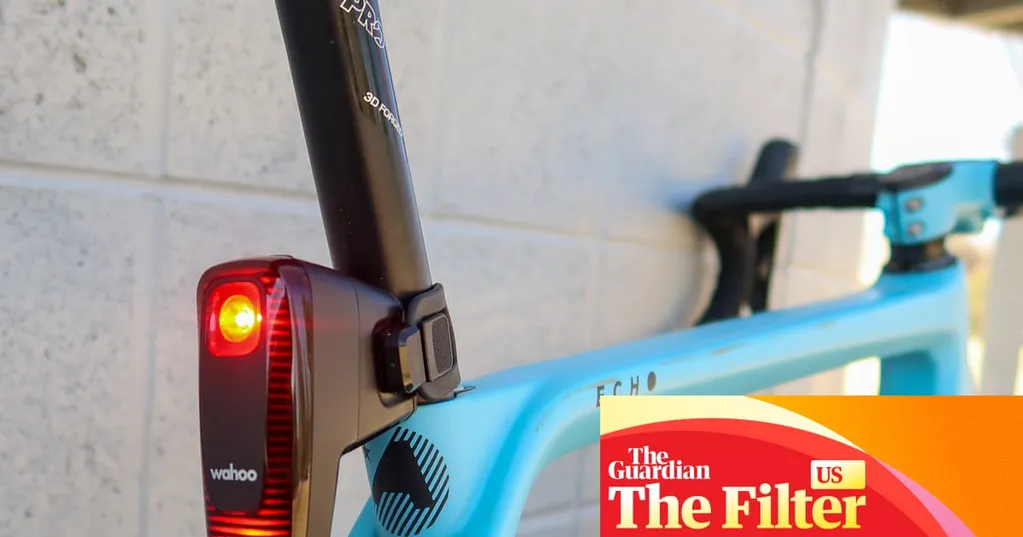
A bike helmet may protect you in a crash, but lights can help prevent one from happening in the first place. Evidence suggests bike lights can improve rider visibility in traffic, particularly in bright or shifting light, where cyclists can otherwise blend into the background.
That's why bike lights broadly fall into two categories: high-output headlamps to illuminate the road at night, and daytime running lights to make you more visible to motorists at all hours. Whether you ride to work daily or every now and then for exercise, owning a high-quality light is one of the cheapest investments you can make in two-wheeled safety. Modern LED lights provide impressive brightness and all-day battery life for very little cost or weight penalty, plus convenient charging with the same USB cable your phone uses.
We've tested options for city streets, suburban roads, and even several higher-tech options for open roads, such as radar-equipped rear lights, for enthusiasts who find themselves mingling with cars at high speed.
I've been riding bikes for 30 years, and testing bikes and cycling gear professionally for more than a decade, with a focus on long-term durability and real-world performance. My reviews have appeared in Outside, Bicycling, and more than a dozen other cycling publications.
I ride year-round, often hitting the road before sunrise or finishing after sunset, so bike lights are not optional equipment for me; they're part of my daily setup. Over the years, I've used everything from basic commuter blinkers to blinding spotlights designed for tearing down mountain trails in complete darkness, giving me a broad perspective on what matters in daily use.
I tested these bike lights in the conditions most riders actually encounter: early-morning commutes, evening road rides, mixed urban traffic, stretches of unlit roads and bike paths.
For front lights, I evaluated beam shape as carefully as brightness. A well-designed headlight beam should light the road evenly, without a harsh hotspot that washes out detail directly ahead of the rider. Light should spill light to the sides for good peripheral vision, so you can track movement at the edge of the road and see into corners. I rode on poorly lit streets and open roads to gauge how clearly each light revealed pavement seams, potholes, debris and other surface changes. I also compared high-output settings to determine whether the stated runtimes matched real-world situations: will the highest setting get you to work and back? All the maximum runtimes listed are as measured.
For rear lights, visibility from multiple angles was a key test criteria. I assessed how noticeable each light appeared from directly behind, as well as from offset positions in traffic.
For all the lights tested, I paid close attention to ease of mounting and removal, repeatedly taking them on and off to see how the mounts held up over time. I evaluated how intuitive the buttons and interface felt with gloves on, and whether battery indicators were clear at a glance. I also rode with them in the rain and through winter conditions to get a sense of their real-world weather resistance. The goal was not to find the brightest lights available, but the most reliable and effective options for everyday riding across a range of budgets and uses.
Yes. Daytime running lights significantly improve visibility in traffic, especially in bright sun, shade transitions and at intersections. Many modern front and rear lights include high-contrast flash patterns designed specifically to increase detection distance in the daytime.
Specific requirements vary by state, but most require a white front light and red rear reflector or light are required when riding after dark. Check with your local regulations to be sure, but even where not required, lights are strongly recommended both day and night.
For riding on city streets and suburban roads at night, 400 to 800 lumens is usually sufficient. Higher outputs, such as 1,200 lumens or more, are better suited to fast riding on unlit rural roads.
For daytime running lights, raw lumen numbers matter less than beam shape and flash pattern. A well-designed 100-lumen light with an effective daytime flash can be more noticeable than a brighter light with a narrow beam.
Yes. Most riders benefit from running both lights at all times, not just after dark. Front lights help you see and be seen by oncoming traffic, especially at intersections. Rear lights are critical for visibility from behind, where the majority of serious collisions occur. Even during the day, a flashing rear light significantly improves visibility in traffic.
What water-resistance rating should I look for?
Fair-weather riders can get away with a IPX4 rating, which can handle light rain and road spray. Year-round commuters should look for IPX6 or IPX7 ratings, which provide stronger protection against more severe downpours.
During the day, flash modes are generally more noticeable. Pulsing or irregular flash patterns help draw attention in bright conditions and increase detection distance. At night, steady front lights provide more consistent illumination of the road surface.
Rear lights can be used in either steady or flash mode; though many riders prefer flash during the day and steady at night. If you ride in a group, look for lower-intensity steady or "peloton" mode to avoid blinding riders behind you.
For daily commuting, a front light should ideally last at least two to three hours on medium setting; and rear light should provide double-digit hours flash mode. Longer runtimes reduce need constant recharging.
It largely depends on where you ride. Rearview radar lights detect vehicles approaching from behind provide alert before they pass. For high-mileage road cyclists this added awareness can reduce surprise overtakes lower need frequent shoulder checks. They are less useful short urban commutes constant traffic.
I ride several thousand miles road each year; have come rely radar. It consistently alerts approaching vehicles before hear them; reducing low-level tension build quieter roads allowing focus holding steady line.