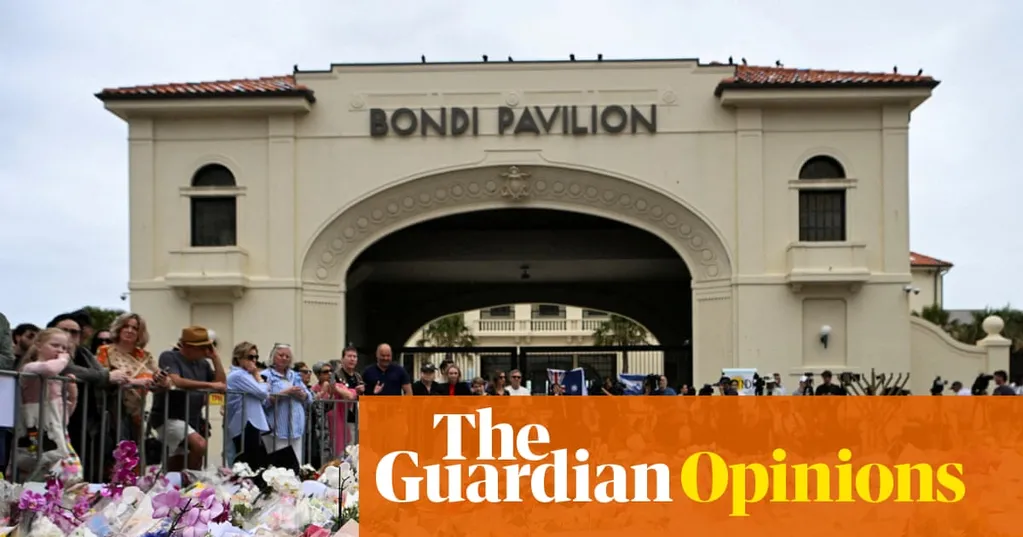
The interim report of the royal commission into antisemitism and social cohesion is in, and offers more questions than answers, as expected. An April report date was always going to produce tentative maybes, and this is exactly that.
Should there have been more than three general duties police officers and a supervisor (with a drop-in commander from time to time) at the Chanukah by the Sea event? What is the assessment of the actions of the police who were there? Given there were other Hanukah celebrations in Sydney that day - including Dover Heights and the north shore - was the allocation of resources reasonable? We will have to wait and see.
For now, the recommendation is that high-risk, particularly "public facing", events ought to have the same procedures as Jewish High Holidays - presumably meaning more analysis, consideration and, in the end, more blue uniforms with guns. To me, this is a positive and reassuring development.
But reading the entirety of the public report leaves the overall impression that it is nearly impossible to predict, prevent and respond effectively when there are those determined to do the unthinkable.
The commissioner describes the interim report as an opportunity to raise matters, particularly relating to public safety, "that require urgent or immediate attention". So, it is worth reflecting on what the commissioner has so far not identified in that regard, noting of course there are five recommendations that remain confidential due to ongoing criminal proceedings.
She has not identified the need for any urgent legislative change to restrict protests or marches. She has not recommended that any phrases be banned on threat of imprisonment for two years. She has not recommended that immigration be restricted or that particular attention be paid to refugees from Gaza or Palestine. She has not cautioned about the return of the wives, widows and children of dead or jailed Islamic State fighters. Presumably, if there were an obvious link between any of those matters and the shootings at Bondi, or heightened public risk of similar attacks, then it would have been the subject of urgent consideration and recommendation in the interim report.
State and federal governments and the commentariat ought to take note that there is no need for haste or rapid change in the interests of public safety identified so far. Kneejerk legislation and police responses blaming protest, immigration, phrases and arming civilians should be shelved until the commission completes its work.
Sadly, a breakdown in social cohesion is not only apparent in relation to the Jewish community. On 26 January, a fragment bomb was thrown into the crowd at a Perth's Invasion Day rally, where a man was charged with terrorist offences. Months earlier, armed black-clad neo-Nazis stormed Camp Sovereignty in Melbourne causing serious injury. And just this Anzac Day, in a coordinated campaign, bigots disrupted ceremonies around the country where invited elders did as requested by RSL organisers and welcomed participants to country.
Meanwhile, Islamophobia is increasing. In March, an alleged white supremacist plot to bomb Western Australian mosques was uncovered. North of Melbourne an Islamic centre was set on fire, and Lakemba Mosque was repeatedly threatened.
So, while I am pleased there will be more police at public-facing Jewish events, I wait with bated breath for governments to focus on improving social cohesion more broadly, using antisemitism as the springboard for increased safety for all Australians.
David Heilpern is a former New South Wales magistrate and is now dean of law at Southern Cross University.