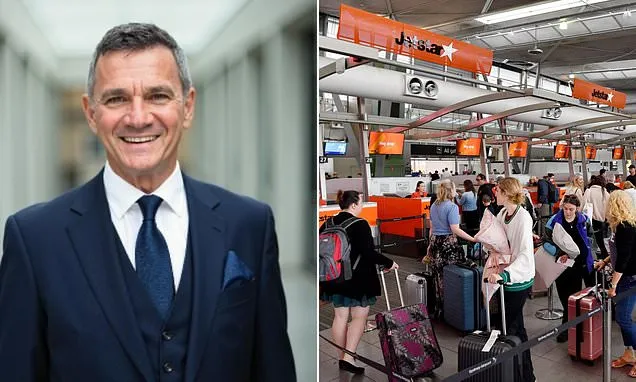
A leading aviation expert has warned Aussies to expect surging airfare prices to become the new normal even if the conflict in the Middle East dissipates.
Keith Tonkin, Managing Director and Principal Consultant of Aviation Projects, said Australians should expect to fork out a lot more when booking domestic flights as airlines try to recoup their losses.
'It's feeling a lot like Covid again. There's talk about work-from-home arrangements, limiting travel - and that's not with the consequence of catching a virus - but it still has an impact on the way that people plan their activities and interact with each other,' Mr Tonkin told the Daily Mail.
The former Qantas and Royal Australian Air Force pilot said he expects more Aussies will opt to travel around Australia, New Zealand and the Pacific Islands as travel through the Gulf remains tenuous.
However, in doing so, demand is likely to hike prices even more.
'We saw that too during Covid - people still want to travel, so if you can't go overseas - and that's not to say that all overseas destinations aren't available - we might see those travel intentions change a little bit,' he said.
Mr Tonkin said travellers should consider their need to travel, and which airline they'd opt to fly with, when looking at booking any arrangements over the coming months.
'Take advantages of any discounts or airfare sales wherever you can... at the moment, it feels like those fares are going up and they might hold up for a while,' he said.
Aviation expert Keith Tonkin warned surging domestic airfares could become the new normal
He expects more Aussies will opt to travel around Australia, NZ and the Pacific Islands
'The aviation industry will come back. It always does. People have an innate need and desire to travel the world so, we'll see it come back, we'll just be talking about higher airfares for sometime.'
It comes as Virgin Australia confirmed it will increase the price of domestic airfares by five per cent at midnight on Monday (March 23).
'Costs across the aviation sector continue to rise, now significantly exacerbated by the situation in the Middle East,' a Virgin spokesperson said in a statement.
'We are making necessary fare adjustments to reflect these cost pressures.'
Australia's national carrier Qantas also raised prices on its international flights earlier this month and said they will conduct fortnightly reviews into its domestic airfares.
However its budget airline, Jetstar, similarly increased airfares last week after the cost of jet fuel nearly doubled in just under a month.
The Daily Mail has contacted Jetstar and Qantas to confirm if any further price hikes are due.
Mr Tonkin said it was only 'natural' for the airlines to increase airfares in order to 'preserve some sort of cost control and ideally some profitability.'
However he warned airlines faced a tricky balancing act when choosing how much, and when, to introduce price hikes.
'Theres a consequence to increasing fares too much as people won't travel and then [they're] losing the money altogether,' he said.
It comes as Energy Minister Chris Bowen said more fuel could be released from Australia's national reserve should the crisis in the Middle East continue.
While emphasising there was plenty of fuel available to get through April, Chris Bowen said additional releases from reserves were on the table.
'Fuel suppliers will continue and are locked in and will continue to arrive,' he told reporters in Brisbane on Friday.
But beyond late April, the situation was more uncertain and dependent on how international events panned out, Mr Bowen said.
Oil prices have soared and global supplies cut after Iran's de-facto closure of the Strait of Hormuz in retaliation against US-Israeli strikes.
One-fifth of the national reserve of petrol and diesel has already been released from emergency stockpiles, including 500 million litres going into regional areas.
Government subsidies will continue to Australia's two remaining oil refineries, in Geelong and Brisbane, after six months of negotiations over the payments.