One basis point is equal to 0.01%, and yields and prices move in opposite directions.
The Commerce Department reported Thursday that first-quarter gross domestic product grew at a 2% seasonally adjusted annualized pace in the first quarter, up from 0.5% in the fourth quarter of 2025 but lower than Wall Street economists' consensus estimate calling for 2.2%.
"Today's first look at first quarter GDP came in below expectations at 2%, due in large part to the supply shock that has come in the wake of the war in the Middle East," said Art Hogan, chief market strategist at B. Riley Wealth. "There's clearly a risk of a slower pace of expansion should the war continue."
The Commerce Department said that the personal consumption expenditures price index, the Federal Reserve's preferred measure of inflation in the economy, rose 0.7% in March, putting the annual inflation rate in line with Wall Street forecasts at 3.5%.
Core PCE, which excludes volatile food and energy prices, was below the headline readings, increasing 0.3% in March versus February and 3.2% against the same period a year ago.
It comes as U.S. President Donald Trump faces a 60-day deadline under the War Powers Resolution related to military action in the Iran war.
Under the 1973 law, a president must withdraw troops within 60 days of notifying Congress of their deployment unless lawmakers authorize the military action. Congress has not done so.
The Trump administration argued on Friday that a ceasefire reached three weeks ago had "terminated" hostilities between the two sides, according to MSNow. This would allow the White House to avoid seeking Congressional approval for the war.
An administration official said that the absence of direct fire between U.S. forces and Iran since a ceasefire was first agreed to on April 7 means the 60-day clock no longer applies.
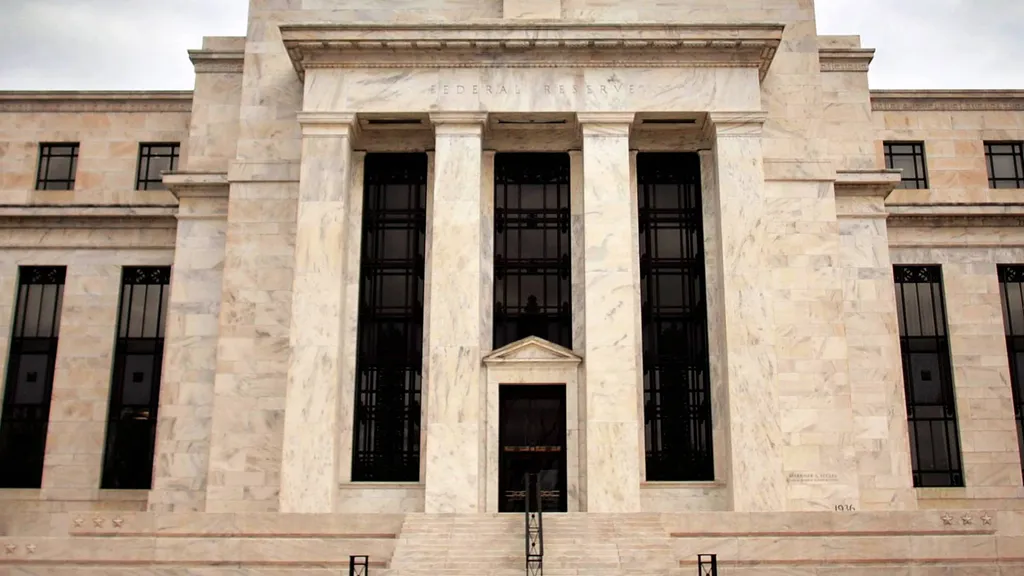
The Fed on Wednesday voted to keep the benchmark federal funds rate on hold between 3.50% to 3.75%, which investors had expected heading into the meeting.
Meanwhile, the U.K.'s central bank governor Andrew Bailey told CNBC in an interview on Thursday that the outlook for energy prices is "very uncertain" but a "a long lived effect" of this kind will likely see price growth feed into the rest of the economy and embed inflation more deeply.
Bailey struck a hawkish note, warning that a protracted energy price crunch could force BOE to take action on monetary policy.
"If we see this pass through - becoming embedded and becoming persistent - we will have to respond, because that's our job and that's how we get inflation back to target," he added.
The bank's Monetary Policy Committee voted in an 8-1 split to maintain the benchmark rate, known as the "Bank Rate", at 3.75%.