The UK is 'ill-prepared' to deal with a new wave of online extremists radicalised by 'toxic' misogynists spouting anti-Semitism and conspiracy theories, MPs warn today.
The 'manosphere' has been cited as particularly responsible for shaping the attitude of young minds, according to a Home Affairs Committee report.
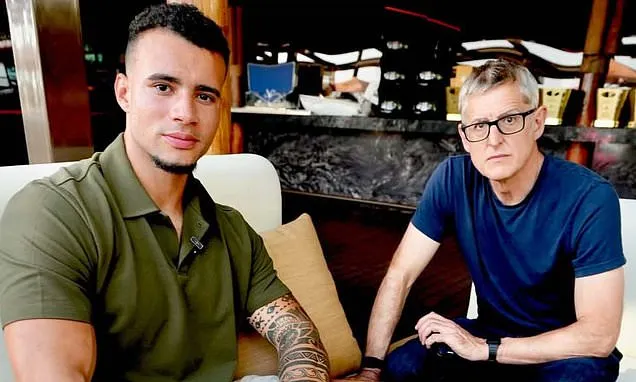
The online network promotes anti-feminist beliefs, masculinity and misogyny and was the subject of the recent Louis Theroux documentary exploring the impact of high-profile social media personalities such as HSTikkyTokky and Andrew Tate.
The committee said youngsters are 'often radicalised through a toxic mix of anti-Semitism, misogyny and conspiracy theories' which have 'profound implications for national security, public order, and social cohesion'.
It added: 'Misogyny was described to us as a persistent and pervasive feature of online extremism.
'It gains traction in online subcultures within the broader manosphere - a loosely connected network of groups, influencers and online communities, including incels - influencing attitudes and behaviours.'
But they said the system for flushing out wannabe terrorists, Prevent, is 'outdated and inadequately prepared to deal with modern extremism challenges in the digital world'.
They said long-standing terrorist threats such as Islamist and far-right extremism remain, but new forms of extremism 'are emerging and give rise to growing concern'.
Harrison Sullivan, known as HSTikkyTokky, featured in the recent Louis Theroux documentary about the manosphere
It warns the UK currently lacks 'the evidence base and up-to-date research needed to keep pace with these developments', amid concerns from experts that Britain is 'so much in the dark'.
Committee chairman Dame Karen Bradley told the Mail: 'Children and young people are being radicalised by what they experience online.
'Increasing numbers of cases are being uncovered where children and young people, fueled by the hate they see in the digital sphere, have planned to carry out violent attacks in the real world.
'This threat is growing and evolving, but the response has failed to keep pace. The support mechanisms intended to guide young people away from radicalisation were designed in a different age.
'They don't have sufficient understanding of algorithm and AI-driven content, or the patchwork of conspiracy theories warping young people's minds.'
She said the Government needs to find ways to stop hatred, intimidation and violence 'being monetised' as it is currently.
Dame Karen added: 'It needs to combat the business model as well as the individuals responsible.'
The committee has called on the Home Office to better understand emerging forms of extremism.
The report found just over one-third (36%) of the nearly 9,000 referrals to the Government's counter-terrorism Prevent scheme in the year to March 2025 were aged between 11 and 15.
The vast majority of referrals (nearly 5,000) were listed as having no specific ideology, while another 1,798 were concerned with extreme right-wing ideology.
Islamist extremists accounted for 870 referrals, while incel extremism - men who describe themselves as involuntarily celibate, and are often characterised by misogynistic views - was connected to 66 referrals.
Southport killer Axel Rudakubana, who murdered three schoolgirls at a dance class in Southport in 2024, is alleged to have launched his horror knife rampage out of an incel hatred of women.
The committee said online spaces play a central role in the changing nature of the extremist threat.
They found social media and gaming platforms, online forums, influencers, and creative tools such as memes, humour and coded messaging 'make extremist narratives easily accessible and highly engaging, particularly for younger audiences'.
Adam Hadley, executive director at the Tech Against Terrorism (TAT) group, underlined the significance of tackling online harms.
He told the committee: 'We know that in every, or almost every, case of terrorism in this country over the past five years, the internet has played a fundamental role - not an incidental role. It has been fundamental.
'Yet our understanding of that journey, what sites people have been on and what content they have consumed, is extremely poor.'