The Trump administration sanctioned more than a dozen entities tied to the network of Iranian oil kingpin Hossein Shamkhani, part of its campaign to maintain pressure on Tehran amid diplomatic talks and a standoff in the Strait of Hormuz.
The Treasury Department's Office of Foreign Assets Control said Wednesday it imposed penalties on a number of individuals, firms and vessels connected to the wealthy businessman, who's the son of late senior Iranian security official Ali Shamkhani.
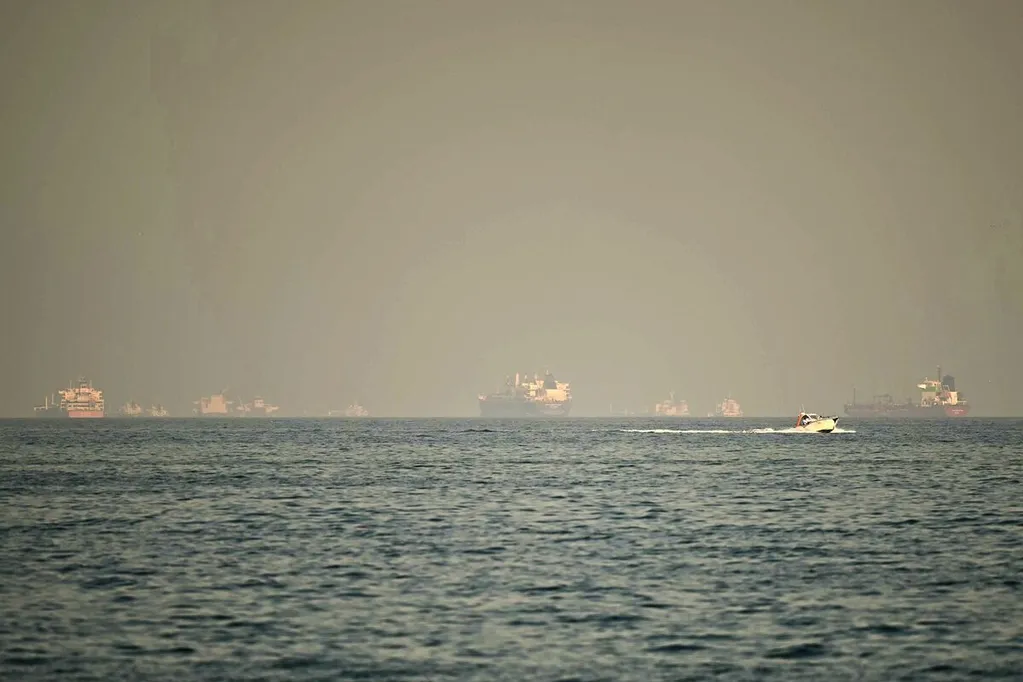
The move follows weeks of scrutiny over the family's sprawling shipping operations, which have continued to move cargo through the Strait of Hormuz, even as the waterway has been effectively closed to most commercial traffic during the US-Israeli war in Iran.
The Trump administration imposed sanctions on Shamkhani and portions of his broader network last July. The Justice Department followed that up in early March by filing two civil forfeiture complaints related to companies operated by him.
The US also sanctioned Iranian national Seyed Naiemaei Badroddin Moosavi and three firms tied to him. According to the Treasury Department, they were involved in a money laundering scheme to sell Iranian oil for Venezuelan gold under Nicolas Maduro's government.
"Treasury is moving aggressively with Economic Fury by targeting regime elites like the Shamkhani family that attempt to profit at the expense of the Iranian people," Treasury Secretary Scott Bessent said in a statement. "Financial institutions should be on notice that Treasury will leverage all tools and authorities, including secondary sanctions, against those that continue to support Tehran's terrorist activities."
The designations mark a return to the norm following a brief reprieve that had allowed parts of Shamkhani's shadow fleet to keep oil flowing during the conflict. A temporary waiver issued last month, aimed at easing a surge in global crude prices, enabled Iran-linked vessels -- including some controlled by Shamkhani -- to offload cargo already at sea. That helped his network earn a windfall, Bloomberg reported in early April.
Wednesday's move by the US Treasury comes as Washington and Tehran weigh a two-week ceasefire extension to allow more time to negotiate a peace deal. In the meantime, both nations are blocking movement in the Strait of Hormuz, with the US setting up a naval blockade to cut off Iranian shipments while Tehran keeps the waterway closed off to other vessels.
On Tuesday, Treasury said it would apply even more economic pressure on Iran in the coming days and said that it would allow the temporary waiver on certain Iranian crude oil purchases to expire this weekend. The administration already let lapse a similar license that authorized the purchases of some otherwise-sanctioned Russian crude.