U.S. embassies and consulates in several countries, including Pakistan, Jordan, Lebanon, Iraq, Kuwait, and Saudi Arabia, have temporarily suspended visa services amid the ongoing Iran-Israel-US war.
The U.S. Embassy in Islamabad, Pakistan, has cancelled all immigrant and non-immigrant visa appointments scheduled from March 9 through March 13, according to a social media post.
The embassy said in a March 8 post on X that visa applicants whose interviews fall within the affected period will receive instructions by email on how to reschedule their appointments. No new interview dates have been publicly announced. Routine and emergency services for U.S. citizens in Islamabad will continue during this period, the embassy said.
The embassy also said that all consular services at the U.S. Consulate General in Karachi and Lahore remain suspended until further notice. Those consulates had earlier scaled back operations amid heightened security concerns.
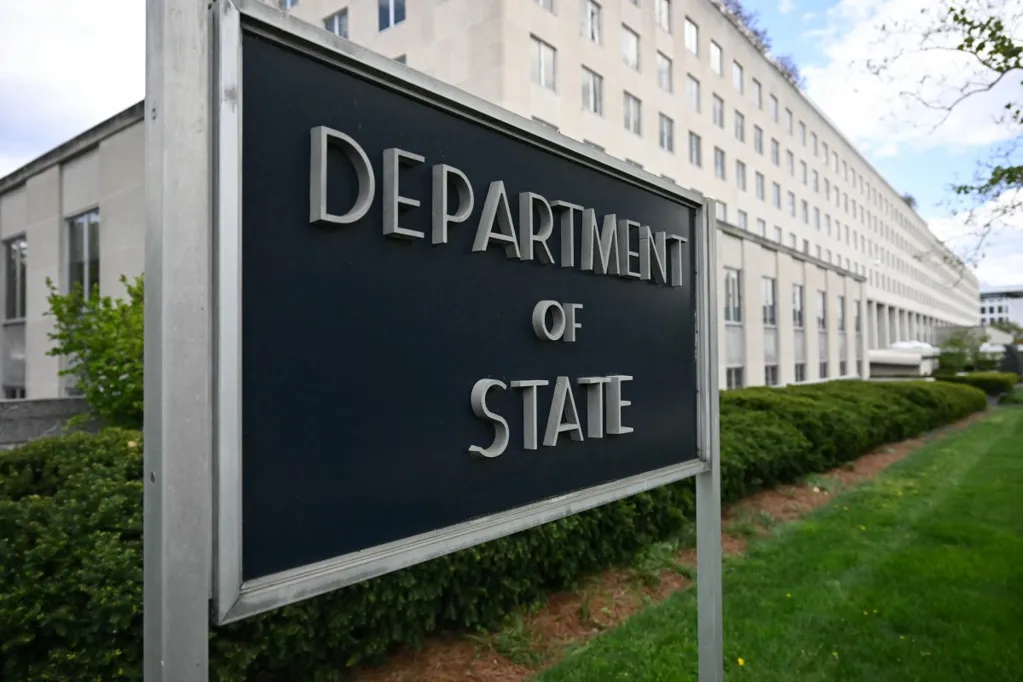
Newsweek has contacted the U.S. State Department for comment.
The temporary halt in visa appointments comes as regional tensions continue to escalate amid the ongoing conflict involving Iran, Israel, and the United States. At least seven U.S. service members have died in the conflict, according to U.S. Central Command.
In Amman, the U.S. Embassy in Jordan said in a March 9 security alert that all immigrant and non-immigrant visa appointments remain cancelled until further notice due to the current security situation.
The embassy said applicants with scheduled interviews should not come to the embassy and will be contacted to reschedule once visa services resume.
On the same day in Beirut, the U.S. Embassy in Lebanon issued a security alert saying that routine consular services have been suspended due to the current security situation, while emergency services for U.S. citizens remain available on a limited basis.
In Baghdad, the U.S. Embassy in Iraq issued a March 9 security alert saying that the embassy and the Consulate General in Erbil have suspended all routine consular services due to the security situation.
The embassy advised U.S. citizens in Iraq to be prepared to shelter in place for extended periods and to depart the country if it is safe to do so, noting that commercial flights from Iraq may be unavailable and that overland routes could be an alternative for departure.
The U.S. Embassy in Kuwait City has also suspended operations and cancelled all consular appointments until further notice due to regional tensions and security concerns, the U.S. State Department said in a security alert.
In Riyadh, the U.S. Embassy inSaudi Arabia issued a March 9 security alert saying that all routine consular and visa services are temporarily suspended. U.S. citizens requiring emergency services can contact the mission, but individuals with scheduled visa appointments should not come to the embassy and will be notified when services resume, the department said.
It comes after Iran's Assembly of Experts appointed Mojtaba Khamenei as the new Supreme Leader on March 8, following the confirmed death of his father, Ayatollah Ali Khamenei. The 56-year-old was selected as Iran's next Supreme Leader on Sunday, despite President Donald Trump's remarks demanding U.S. input in the decision.
On the opening day of the conflict on February 28, an airstrike in Minab, southern Iran, struck a girls' elementary school, killing at least 175 people, mostly children, according to Iranian authorities.
Iran has launched repeated missile and drone attacks at U.S. forces, bases, and allied infrastructure across the Gulf and wider Middle East. striking locations in Saudi Arabia, the United Arab Emirates, Kuwait, Qatar, Bahrain, and Iraq, in retaliation for U.S. and Israeli military operations.