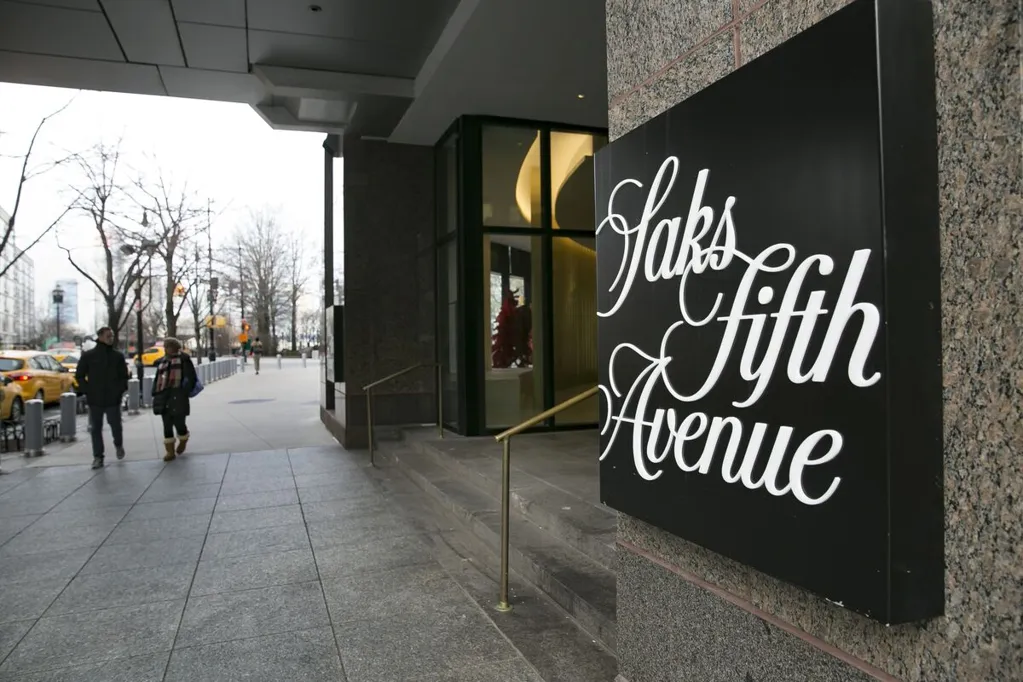
The Chapter 11 bankruptcy filing by Saks Global Enterprises on Jan. 13 has raised questions among shoppers and vendors about the future of the luxury retailer's stores. Its biggest chains include Saks Fifth Avenue, Neiman Marcus, Bergdorf Goodman and the discounter Saks OFF Fth. Here's what's happening and what's likely to happen next.
What will become of Saks Global's stores?
Chapter 11 is a kind of bankruptcy filing designed to avoid liquidation - when all stores are shuttered, employees are terminated, and merchandise is sold off to discounters such as TJ Maxx. Saks Global said in a statementBloomberg Terminal on Jan. 14 that stores under all its brands were open. Company websites list 33 Saks Fifth Avenue stores, 36 Neiman Marcus locations, 2 Bergdorf Goodman stores, and 77 Saks OFF 5th locations across the US.
At the same time, Saks said it is currently evaluating its store locations and could use tools in Chapter 11 to get out of poorly performing locations or sell valuable real estate. That means shoppers who live in mid-size cities that currently have a Saks or a Neiman Marcus store - or both - could lose them. Requests to close stores must be approved by a bankruptcy judge. Before they shutter, stores generally hold a big sale to offload the last merchandise, or sell it to a discounter. Meanwhile, customers in bigger cities such as New York, Chicago and Los Angeles will probably be able to keep shopping in stores. Because vendors have pulled back on selling to Saks Global, it remains to be seen what will be left in-stock to purchase in its stores.
In the longer term, a restructuring under Chapter 11 will aim to clear billions of dollars worth of debt from the company's balance sheet. From that process, the chains will emerge - likely with much less debt - and could be acquired by various investors. "Bergdorf is going to have a number of interested parties," Bloomberg Intelligence analyst Mary Ross Gilbert said. "It's really the luxe of luxe."
Can I still spend my gift card? What about my loyalty points?
If you're worried about your gift card, you're not alone. Saks estimated in court papers that it has $320 million worth of store gift cards outstanding. The company has sought permission to honor all such cards, a request routinely granted by bankruptcy judges. It's also requested permission to continue various customer loyalty programs across its stores.
Why did Saks file for bankruptcy?
In late 2024, the 150-year-old company, which was already troubled, acquired Neiman Marcus, its also-struggling rival, for $2.7 billion in the hopes that combined, the two would return to success. To do so, it turned to the bond market, raising $2.2 billion.
The company has struggled to adapt to shifts in the retail industry; the luxury brands it offers in its department stores also market directly to consumers. In addition, the synergies expected from the acquisition of Neiman Marcus didn't materialize quickly enough. Only months after raising its bond, a liquidity crunch led Saks to restructure that debt and seek even more funds.
But even the additional money it raised in June wasn't enough to repay what it owed trade partners or restore inventory flows to planned levels ahead of the end-of-year holiday season. This not only affected revenue, it also constrained the company's ability to access its asset-backed lending facility.
As Saks' finances got worse, the company delayed payments to the brands that send it apparel and accessories. Some of those vendors pulled back or cancelled their shipments as a result. That made things even worse because Saks had less merchandise on hand to sell. So shoppers increasingly steered clear of the company's department store chains and turned to rivals such as Bloomingdale's, owned by Macy's Inc., which has seen an increase in sales in recent quarters.
What happens next for Saks?
Geoffroy van Raemdonck, the former chief executive officer of Neiman Marcus, will lead Saks through Chapter 11. To fund its business, the retailer will seek permission from a Texas judge to begin tapping a $1.75 billion bankruptcy loan provided by a group of existing lenders. That amount includes $500 million that the lenders have committed to provide when Saks exits Chapter 11, the company said.
Van Raemdonck and other Saks advisers will have to build support from vendors and creditors on a restructuring plan. The company will also need to convince vendors to start shipping if it wants to exit bankruptcy as a going concern. The company said that it anticipates exiting Chapter 11 later this year.
As part of the bankruptcy process, creditors could take control of the company by swapping their debt holdings for equity, or the business could be sold.
How could the bankruptcy impact vendors?
Some of the company's vendors, such as Chanel, are owed more than $100 million in debt. Saks Global said that it expects to be able to give vendors "go-forward payments," which usually cover new, ongoing obligations but not old debt. Those debts to vendors, which are unsecured creditors, generally only get pennies on the dollar in Chapter 11.
Some Saks vendors are hoping for more. Gary Wassner, CEO of financing company Hilldun Corp., said the several dozen fashion brands he represents are owed around $66 million. Their prospects for getting repaid in the coming months, he said, depend on whether Saks Global becomes profitable after emerging from bankruptcy. "The more they make, the more they pay to the unsecured creditors," Wassner said. "I believe the new management will take steps to reduce operating costs and increase their margins and turn this into a profitable situation." That, he added, would be "to the benefit of the entire fashion industry."