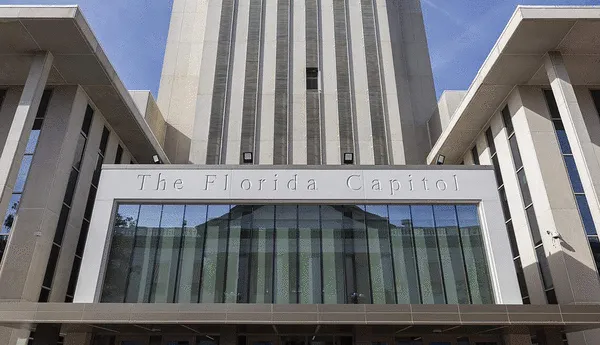
MIAMI -- Florida's 2026 regular session ended, and with it, a slew of hotly debated bills.
Gov. Ron DeSantis' agenda for the session this year was thin. But even with the reduced wishlist, many bills died in House-Senate squabbles.
Here is some of the legislation that didn't make it to DeSantis' desk.
Vaccine exemptions
Florida Surgeon General Dr. Joseph Ladapo last year announced a push to remove all vaccine mandates from state law.
Lawmakers had a milder idea: expanding vaccine exemptions. The legislation would have allowed parents to opt their children out of required school entry vaccines based on their personal conscience and would have made the opt-out forms easier to access.
In the House, bill sponsor Rep. Jeff Holcomb, R-Spring Hill, also put forward language that would compel physicians to see unvaccinated children, a priority of Ladapo, DeSantis and first lady Casey DeSantis.
The legislation passed the Senate but never got a hearing in the House.
At a news conference on the last day of session, a reporter asked DeSantis if he would include the bill in a call for a special session.
"We'll see what happens," DeSantis replied, before adding: "There's more than one way to skin the cat on some of this stuff."
AI bill of rights
One of DeSantis' priorities this year was an Artificial Intelligence Bill of Rights to protect minors from inappropriate or dangerous conversations with AI chatbots.
The Senate passed the legislation, but the House did not move the bill forward.
House Speaker Daniel Perez said that he agreed with the White House's view that the federal government should be in charge of AI regulation rather than having a patchwork of different laws in different states.
DeSantis on Friday said he was committed to seeing the policies prevail but did not provide clarity on how.
Gun liability
A bill that was championed by a major firearms producer and that would have shielded gun manufacturers from some liability passed in the House but died in the Senate.
The legislation would have protected a company from liability if it didn't include safety features or design features that go beyond what's required in federal law.
That includes things like a tabbed trigger safety, which requires an extra press before the gun can be fired.
The bill was being pushed by Sig Sauer, a major gun manufacturer whose firearm, the P320, has been the subject of lawsuits across the U.S.
Some of the gun's users say the firearm fires without the trigger being pulled. The allegations have led some law enforcement agencies, including the Pasco County Sheriff's Office, to abandon using the gun as their service weapon.
The bill moved through one committee in the Senate but did not progress.
Medicaid work requirements
Florida senators passed legislation that would have required able-bodied adults on Medicaid to work at least 80 hours per month.
The bill was put forward by Sen. Don Gaetz, R-Pensacola, who said the bill's goal was to foster a "work culture as opposed to a dependency culture."
Matching legislation was never considered in the House.
The proposal could have affected between 112,000 and 147,000 adults under age 64, according to varying estimates from state agencies.
As of November 2025, around 3.6 million people in Florida were on Medicaid.
E-Verify
Florida law allows thousands of companies to skip an E-Verify check, which confirms an employee's immigration status.
When DeSantis ran for office in 2018, he promised to pass E-Verify requirements. He did so in 2020.
But that year's bill required the status check only for public employers and contractors.
Lawmakers came back in 2023 to expand the bill to private companies but left an exemption for companies with fewer than 25 employees.
House members this year passed legislation to require all private employers to use the program, closing the small business exception.
Matching legislation in the Senate never received a committee hearing.