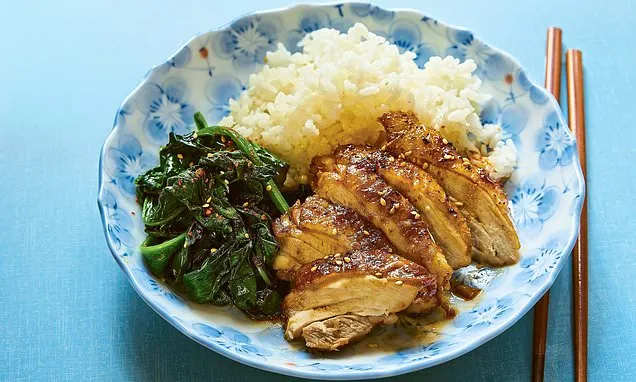
I tried to make a dish called Chicken in Waffles. I loved the idea of rice cooked in a waffle iron, so I made spicy teriyaki chicken and sandwiched it between two layers of steamed rice in a waffle iron. The result was too crispy, like eating a big, hard rice cracker. It was also a pain in the ass to get the rice out of the waffle iron. Luckily, it wasn't a total waste of time, as the chicken was delicious - so here it is, minus the waffles. This is why we test recipes, folks!
SERVES 3-4
- 500g chicken-thigh fillets
- 1 garlic clove, finely grated
- about 1cm chunk of fresh-root ginger, finely grated (no need to peel)
- 4 tbsp soy sauce
- 2 tbsp maple syrup, mirin or honey
- 1 tbsp sesame oil
- 1 tbsp ketchup
- ½-1 tsp shichimi (depending on how spicy you like it), plus more to garnish (available at Waitrose or Ocado)
- 1 tbsp vegetable oil
- sesame seeds, to garnish
- Combine everything, except the sesame seeds, in a non-stick frying pan. Mix well to ensure the seasonings are evenly distributed and the chicken is well coated.
- Set over a medium-low heat with a lid on the pan and cook for 10 minutes, then turn the chicken over and cook for another 10 minutes, turning the chicken through the sauce a few times as it cooks.
- If there is any liquid left in the pan, turn up the heat and cook until nothing but a sticky glaze remains, turning the chicken frequently. If you are so bold, you can let the chicken blacken a bit. The main thing is that it should be sticky, not saucy.
- When the glaze is completely reduced, remove the pan from the heat and slice the chicken. Garnish with sesame seeds and serve with rice or noodles and steamed greens.
SPICED & SEEDED TREACLE TAMARI RIBS
Oh my, these ribs are good. I ate two whole racks in 15 minutes when I tested them. I'm not proud of this, but the appetite doesn't lie. This one's a winner.
SERVES 1-4
- 2 racks pork ribs (500-600g each)
- 1 tbsp pumpkin seeds
- 1 tbsp sunflower seeds
- 1 tbsp sesame seeds
For the sauce
- 2 tsp smoked paprika
- 1 tsp cornflour
- 1 tsp chilli flakes
- 1 tsp curry powder
- 1 tsp fennel seeds
- salt and black pepper
- 6 tbsp tamari
- 4 tbsp treacle or molasses
- Preheat the oven to 150C/130C fan/gas 2.
- Combine all the ingredients for the sauce and rub it on the ribs, coating them evenly.
- Lay each rack on a length of baking paper. Pour over any remaining sauce and sprinkle with the seeds, then fold up the edges of the paper and crumple them shut, enclosing the ribs. Don't worry about forming a tight seal - it's OK if some steam escapes, but make sure the bones don't puncture the paper or the sauce will leak out. Place on a baking tray and bake the ribs in the paper for 1½ hours.
- Unfold the paper (but keep the ribs on it) and crank the oven up to 230C/210C fan/ gas 7. Bake for a further 8-10 minutes, turning the ribs over halfway through cooking, until they develop a bit of char. Enjoy with white rice.
MISO E PEPE
This is cacio e pepe - pasta with cheese and pepper - but, you know, with miso. I can't help it if miso is such a versatile stand-in for cheese! It's pretty simple, but it requires some attention to get the consistency of the sauce right. When you plate it up, it should look a little thin - as it sits, the pasta will absorb water and, if too much water is absorbed, the emulsion will break and fat will separate out. It will still taste OK, but it will be oily rather than creamy, so keep that sauce loose!
SERVES 2
- 1 tbsp olive oil
- 2 tbsp butter
- 30 grinds of black pepper, plus more to finish
- 2 tbsp white miso
- 150g spaghetti or linguine
- grated pecorino, or furikake to garnish (optional, available at Waitrose or Ocado)
- Heat the olive oil and butter together in a frying pan over a medium-high heat. Add the pepper and let it sizzle for a few minutes, then whisk in the miso until no lumps remain. Remove the pan from the heat.
- Cook the pasta according to the package instructions. In the final 1-2 minutes, add 2 ladlefuls of pasta water to the miso-butter mixture and bring it to the boil. If it's very watery, reduce it for 1-2 minutes, but don't let it get too thick - it should be more milky than creamy.
- Drain the pasta and tip it into the miso pan; toss through the sauce and dish up. Garnish, if you like, with grated pecorino or some furikake.
CHINESE-JAPANESE FRIED AUBERGINE WITH TANGY LEEK SAUCE
This is a common vegetarian variation of the Chinese-Japanese dish yūrinchī: fried chicken, smothered in mouthwatering sauce made from chopped leeks, ginger and a generous glug of vinegar. This recipe uses pan-fried aubergine instead of deep-fried chicken - it is just as juicy, moreish and flavourful.
SERVES 2
- 1 big aubergine, cut into long batons or wedges no more than 2cm thick
- 1 tbsp sake
- 1 tbsp soy sauce
- vegetable oil, as needed for shallow-frying
- 6 tbsp cornflour
For the sauce
- 2 tbsp soy sauce
- 1 baby leek, finely diced
- 2cm chunk of fresh root ginger, peeled and grated
- 1 garlic clove, grated
- 3 tbsp rice vinegar
- 3 tbsp light brown sugar
- 1½ tbsp sesame oil
- 1 tbsp mirin
- a pinch of chilli flakes or shichimi (optional)
- In a bowl, toss the aubergine with the sake and 1 tbsp of the soy sauce.
- In a separate bowl, combine the sauce ingredients including the chilli flakes or shichimi (if using). Stir well, then microwave for 30 seconds to 1 minute to warm it through and dissolve the sugar. The leek should still be raw, so don't let it get too hot. (If you prefer, you can heat the sauce until just steaming in a pan on the stove.)
- Pour the vegetable oil into a large frying pan to a depth of about 5mm and set over a medium-high heat. Toss the seasoned aubergine in the cornflour. When the oil is hot, lower the aubergine into the oil and fry for about 10 minutes, turning often, until browned all over. Remove from the pan and drain on paper towels.
- Transfer the aubergine to plates and pour over the leek sauce. Enjoy with plenty of white rice.
TOFU MISO KATSU
Miso katsu is a speciality of Nagoya, home to the famous Hatchō miso that features in the dish's sauce. It is exactly what you might guess it is from the name: tonkatsu, smothered in a sauce of dark red miso, dashi and other seasonings. It's great with pork and is a nice match for the mellow, beany flavour of tofu.
SERVES 2
- 300-400g block medium or firm tofu (smoked tofu is also tasty), patted dry
- salt, pepper and MSG, to taste
- 50g plain flour
- 100ml water
- about 100g panko
- vegetable oil, for frying
- sesame seeds, to garnish
For the sauce
- 4 tbsp very dark red miso, such as Hatchō or brown rice miso
- 4 tbsp sake
- 4 tbsp honey or maple syrup
- 2 tbsp mirin
- 2 tbsp water
- ¼ tsp dashi powder (available at Waitrose or waso.uk)
- ½ tsp grated fresh root ginger (optional)
- a dash of Worcestershire sauce (optional)
- For the sauce, combine all the ingredients, including the Worcestershire sauce (if using) in a saucepan and whisk well, until no lumps of miso remain. Bring to a simmer and cook for a few minutes to cook off the alcohol from the sake. Don't let the sauce reduce. Remove the pan from the heat and leave to cool.
- Cut the tofu in half to form two rectangular 'cutlets', and season each one with a pinch of salt, pepper and MSG. Whisk together the flour and water to make a batter; then dip each tofu katsu into it, then dredge in the panko to coat.
- Pour enough oil into a frying pan to come up to a depth of about 5mm; then set over high heat. When the oil is shimmering and feels hot if you hold your hand above its surface, lower in the tofu katsu and fry for about 8-10 minutes, turning occasionally, until golden brown and crisp all over. Drain on paper towels; then slice and serve with miso sauce spooned over. Garnish with sesame seeds and enjoy with rice and vegetables.