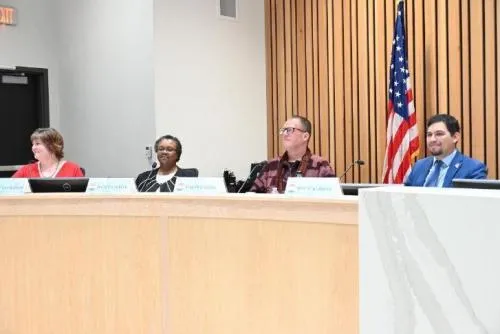
HERMISTON -- Hermiston City Councilor Jackie Linton in 2025 sought to change the roles of mayor and councilor from volunteer positions to full-time positions with salaries that could exceed $100,000 per year.
Linton in June 2025 submitted two local ballot measures for the 2026 general election to change the city charter from a city manager style of leadership to a mayor-council leadership style.
The East Oregonian obtained the document through a public records request.
The city denied both of Linton's petition on technical reasons.
Linton on Monday, April 20, said she had "No comment" on her proposals.
Linton turned in the initiative petition on June 2, 2025, to the city and she wanted it put on the ballot. In the petition, Linton proposed the mayor would receive an annual salary between $95,000 and $115,000, while councilors would be paid between $85,000 and $105,000 per year.
"Once the Mayor's salary reaches the maximum amount, that position will receive COLA (cost of living allowance) set at Social Security COLA rate," according to the petition. "Expenses and per diem will be paid by the city for official duties. When the population increases to 30,000 the Mayor and City Council can review salary and increase salary no more than $10,000 per year. When population increases to 40,000, the Mayor and City Council can review salary and increase salary no more than $15,000 per year. The Mayor and City Councilors are to oversee the salaries of City employees and approve such compensation."
The city on June 6 denied her petition. Linton tried again on June 9. Three days later, that petition met the same end.
At the March 9 meeting of the Hermiston City Council, Linton also requested the city increase the monthly stipends councilors and the mayor receive. She suggested that councilors' stipends increase from $100 per month to $300, and the mayor's stipend increase from $250 per month to $450. At the April 13 council meeting, the council voted 6-1 to leave the stipends as they are. Linton was the lone no vote.
The petition Linton submitted to the city last year would have required the mayor and councilors to have a bachelor's degree to serve. Linton has an education degree from Eastern Oregon University.
The petition also would have required any Hermiston resident to have lived in the city for at least five years prior to taking the oath of office. Hermiston's city charter requires candidates to live in the city for one year prior to prior to being elected or appointed to the role.
Having a full-time, salaried city council is rare in Oregon. Portland is the only city in the state that has full-time, paid city councilors. The 12 councilors receive a salary of $133,207 following a voter-approved change to the city charter took effect in 2025.
Like Hermiston, many cities pay their city councilors a monthly stipend. Beaverton, with a population of around 100,000, pays councilors a monthly stipend of $2,089. Eugene, with a population of around 180,000, pays their councilors an annual stipend of $21,000.
The city of Gresham has a population of around 114,000 and pays their part-time councilors $28,332 per year.
Pendleton, which is close to Hermiston in both proximity and size, pays their councilors a monthly stipend of $100 while the mayor receives a $150 monthly stipend.
None of the eight Hermiston City Council members nor Mayor Doug Primmer responded to requests for comment on Linton's proposal. Hermiston City Manager Byron Smith said he had no comment on the issue.
Krista Van Veen, who is challenging Linton for her Ward 1 council seat, said changing the role of the council and mayor would have "far-reaching implications."
"I'm not familiar with that proposal and haven't seen the document, but I understand that any change to the city charter would ultimately need to go before voters, which is the appropriate process," Van Veen said.
"A shift like that -- moving away from a city manager system and significantly changing compensation -- would have far-reaching implications for how the city operates. I would approach something like that cautiously and want to understand not just the cost but the long-term impact and whether it truly serves the community. I think people deserve transparency and a meaningful opportunity to be part of decisions of that scale."