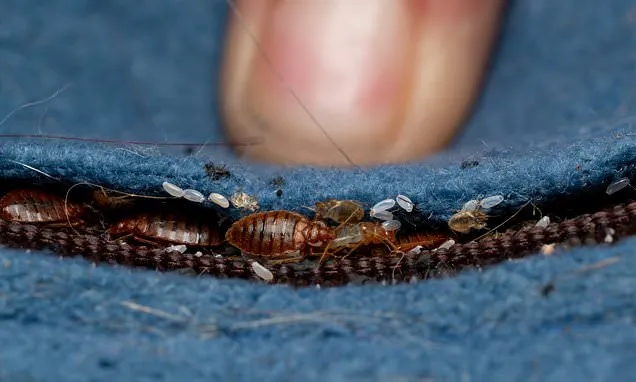
Red, itchy skin combined with an unclean bed is any holidaymaker's worst nightmare when staying in a hotel.
Just a few years ago, a bed bug infestation in Paris made headlines and the blood-sucking parasites were seen crawling across train seats and hotel bed sheets.
The pesky insects are common in many countries and are surprisingly easy to pick up on your travels given how small and stealthy the bugs can be.
Once attached to your clothes or luggage, the parasites are on a one-way ticket back to your home.
Thankfully, there is a way to reduce your chances of finding bed bugs in your hotel.
Bed Bug Reports is a database created by pest control company Orkin, which keeps track of any reports of the insects in hotels across America and Canada.
It has a handy search bar that allows users to look up a specific hotel and state, giving holidaymakers the chance to check for bugs before they book.
The registry even has a 'worst offenders' section, detailing hotels with frequent reports of bed bugs.
Holidaymakers are often conscious of avoiding bed bugs on their travels, and the pesky bug can be found in hotel bed sheets, on public transport and sitting on clothes.
Tourists can file a report themselves via the site where they have to give the details and location of the infected accommodation.
Photographic evidence of the creatures can be viewed on the database - from bugs crawling on bed sheets to red, bumpy skin.
For those who want to check the hotel room themselves when they arrive, the Bed Bug Reports site even has advice on how to give the space a thorough once-over.
It suggests picking up the mattress and looking underneath, making sure to 'check around the edges of the box springs' and under the box spring.
'Look at the corners of the room. Oftentimes bed bugs are wedged in corners sleeping during the day,' the website states. 'Also, spiders do catch them and this is where they generally have their webs.'
But the most important piece of advice the registry can give? Make sure to look at the headboards.
The experts urge travellers to lift the headboard up and lay it on the bed so you can 'carefully inspect the hole where the headboard was lifted out of'.
Pest control expert James Rhoades from ThermoPest explained how easily the insects can get around.
Thankfully, database Bed Bug Reports keeps track of any reports of the insects in hotels across America and Canada
He said: 'They cling to fabrics, seams, and suitcase linings, enduring long-haul flights or bus rides with ease.
'Once they arrive, they can spread fast. These tiny insects can travel up to five feet per minute, making short work of infecting multiple areas.
'The speed of bedbugs spreading depends on a mix of factors. A warm environment helps them reproduce and lay eggs faster. Easy access to food, in this case human blood, fuels their population growth.
'Even the surfaces we encounter while travelling can help bed bugs spread.'
According to the pest expert, surfaces that feel rough like 'fabric seats or wooden luggage racks' - often found in hotels, airports and on trains - allow the bugs to 'cling' on.
'And when they're hungry, they're even quicker, driven by the need to find their next meal, wherever people gather,' he added.