The Prime Minister today faced mounting pressure from his own MPs to back a ban on under-16s accessing social media - despite opposition from the father of a teenager who took her own life.
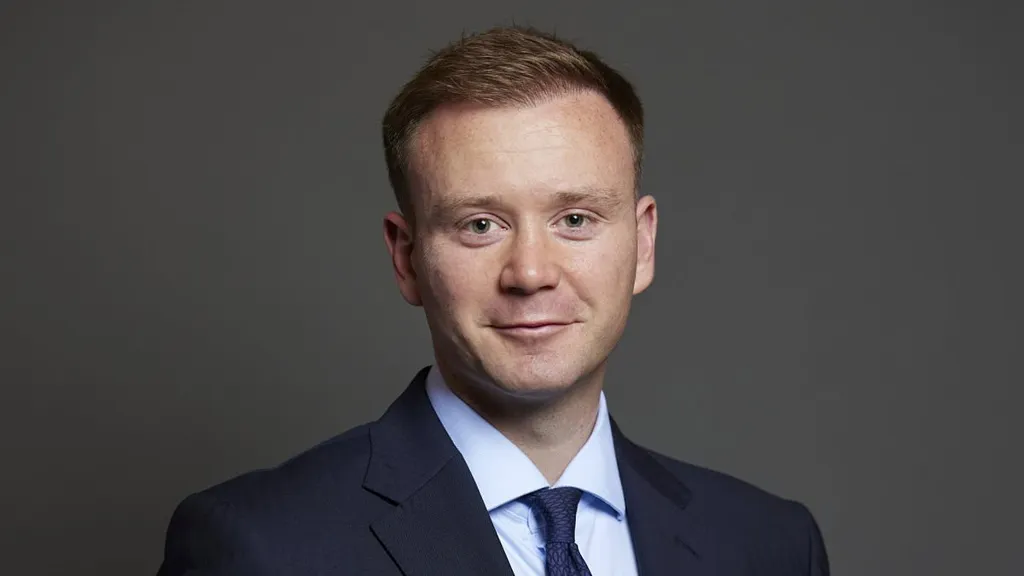
A total of 61 backbench Labour MPs, led by Fred Thomas, have signed a letter, sent to Sir Keir Starmer, highlighting the 'clear' harm caused by 'harmful, addictive' content on the platforms.
Last week, the PM said 'all options are on the table', regarding a possible ban - which was brought in by Australia last month.
The MPs, mostly members of the 2024 intake but also longer-serving politicians including Graham Stringer and Richard Burgon, highlighted how 'Denmark, France, Norway, New Zealand and Greece are expected to follow suit' and 'Britain risks being left behind'.
It comes after Ian Russell, whose daughter Molly died aged just 14, spoke out alongside 40 charities, campaigners and doctors, against a ban.
They warned restrictions could drive vulnerable youngsters towards unregulated internet spaces like gaming platforms - or darker sites such as suicide forums.
Mr Russell, whose daughter died in 2017, warned against an 'ambition-led, politically-led, panic-led' drive towards 'hasty, non-evidence based decisions'.
He called for better enforcement of existing laws rather 'sledgehammer techniques like bans'.
MP Fred Thomas published a letter signed by 61 Labour backbenchers in support of banning under-16s from social media
The MPs' letter, published by Mr Thomas yesterday afternoon, with list of signatories (right)
But, publishing a copy of the letter on X yesterday, Mr Thomas, MP for Plymouth Moor View, said: 'We all know the harm social media causes to young people's mental health.
'The Labour Government has acted in recent months. Today, 61 Labour MPs have written to the PM urging him to go further. We back an Australia-style model with the onus on tech firms to block under 16s access.'
The MPs point to research showing over 500 children a day are now being referred for anxiety treatment in England alone, with going from zero to just five hours' daily access to social media doubling boys' rates of depression and trebling those of girls.
They added: 'The average 12-year-old now spends 29 hours a week on a smartphone, much of it on social media platforms rife with harmful content'.
Banning under-16s from social media is backed by Tory leader Kemi Badenoch - who would also ban smartphones in schools - and Health Secretary Wes Streeting.
Streeting's potential Labour leadership rival Andy Burnham, Greater Manchester Mayor, has also agreed with 'a lot of what Kemi Badenoch is saying' about social media use.
This coming week, members of the House of Lords are likely to vote on a ban as part of an amendment to the Children's Wellbeing and Schools Bill, tabled by former Tory education minister Lord Nash.
It is jointly-sponsored by Lib Dem peer and former children's television presenter Baroness Benjamin; Labour peer Baroness Berger; independent peer Baroness Cass—a paediatrician.
Molly Russell's father Ian fears a ban would have 'unintended consequences' and instead urges better regulation of social media platforms instead
Prime Minister Sir Keir Starmer faces mounting pressure from within his own party for action to tackle concerns regarding the impact of social media on under-16s
But Mr Russell, who chairs suicide prevention charity, the Molly Rose Foundation, said: 'We seem to now be choosing this moment to rush into making hasty, non-evidence based decisions. And to me, it's ambition-led, politically-led, panic-led.'
Mr Russell said pressure from the government and regulator Ofcom can force tech giants into action, citing Elon Musk's climbdown over his AI chatbot Grok making sexualised deepfake images. Ofcom has launched an investigation under the Online Safety Act.
The campaigning father said while internet companies are putting 'profit over safety', a ban would have 'unintended consequences', causing 'more problems'.
In their statement, more than 40 charities including the Molly Rose Foundation and NSPCC, experts and bereaved parents said: 'Though well-intentioned, blanket bans on social media would fail to deliver the improvement in children's safety and wellbeing.'
The groups fear a ban could drive children to riskier sites, create a 'cliff edge' at 16 where youngsters would suddenly face online pressures without any prior experience, and deprive lonely teens of a place to socialise.
The signatories, also including child mental health practitioners, called for 'broader and more targeted' action, with existing law 'robustly enforced' to ensure social media sites, personalised games and AI chatbots were not accessible to under-13s.
An inquest into Molly's death, held in 2022, found social media content contributed 'more than minimally' to the tragedy.
Anna Edmundson, NSPCC head of policy said social media, told BBC Breakfast on Sunday social media could be 'vital' for children.
She said:'It's also really important for peer support and access to trusted sources of advice and help'.
Appearing on Sunday with Laura Keunssberg,Culture Secretary Lisa Nandy said:'There are strong arguments for banning under-16s from social media but there are also real concerns raised by the NSPCC and others about whether it pushes children to darker, less regulated places on the internet.'
Reform UK leader Nigel Farage said he believes the UK should delay a ban under the Australian measures are reviewed.
For confidential support, contact the Samaritans on 116123.