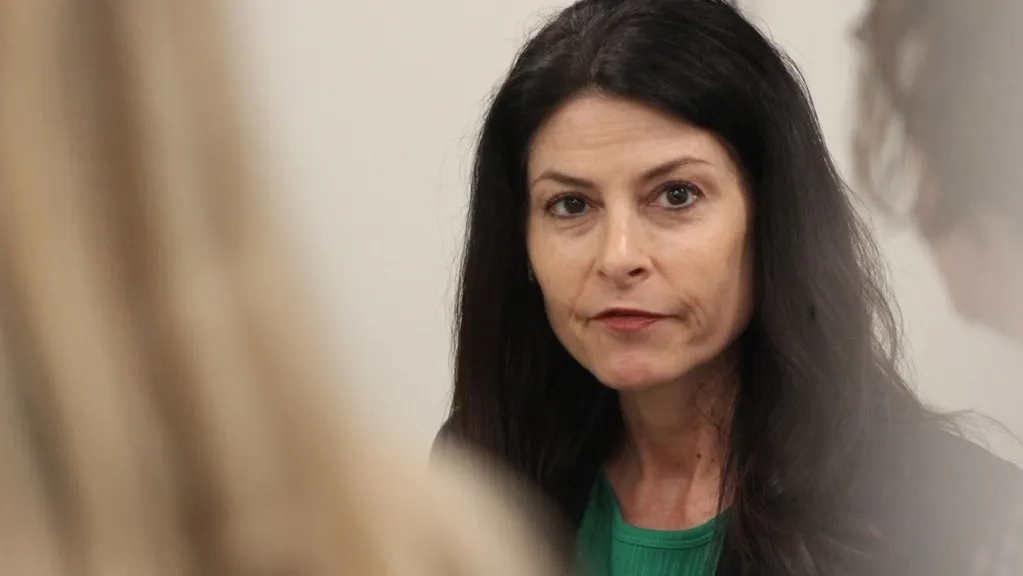
LANSING, Mich. -- Michigan Attorney General Dana Nessel is threatening potential legal action against Elon Musk and his artificial intelligence company, xAI, if it does not disable a feature on its Grok chatbot that is allegedly being used to produce illegal deepfake pornography.
Nessel told News Channel 3 that a "spicy mode" feature on Grok has been allowing users to easily manipulate images of real people in ways that can "remove" clothing or sexualize individuals without consent.
She believes Musk has not only the ability but also a legal obligation to remove the misused feature.
"If Elon Musk won't do this on his own, I think that the states and the federal government should force him to do it," Nessel said
Elon Musk has defended Grok on X, pushing back on claims that the platform is generating, or responsible, for illegal content.
According to his posts, the chatbot only creates images based on user prompts and refuses illegal requests by default.
Musk also said that the tool itself should not be blamed for how users choose to misuse it, calling it a form of censorship.
Musk has not directly responded to Nessel's warning about potential civil or criminal enforcement.
Michigan criminal defense attorney Michael Hills told News Channel 3 that there are applicable protections under the state's August 2025 deepfake statute, but questions whether Musk or his company can be held criminally responsible.
"I don't think there's a clear answer on that," Hills said, adding that he is not aware of any specific criminal statutes targeting manufacturers of tools used in crimes.
Hills said that, of course, individuals who create or share illegal deepfake sexual images without consent can face criminal charges.
Production, distribution, possession, and knowing retention of illegal sexual material are all prohibited under state and federal law.
While criminal charges against a platform or company face a higher legal bar, Hills said civil lawsuits, particularly claims involving emotional distress, could be more viable.
AG Nessel argues that producing and distributing that content is illegal under existing state and federal law, but claims the chatbot's feature goes beyond user misuse.
She compared the situation to Backpage, a classified advertising platform shut down by the federal government in 2018 after repeated warnings that it was facilitating illegal activity, including prostitution and sex trafficking.
"This is a feature, not a bug," Nessel said in regard to Grok's so-called "spicy mode."
Nessel said multiple attorneys general across the country are now pressing xAI to disable the feature, and if Musk's company does not act, she said enforcement options remain on the table.
For now, Musk and xAI continue to argue that existing safeguards are sufficient.
Meanwhile, President Trump has made it clear that he wants to establish a national policy limiting AI censorship and regulation.
In an executive order Trump has said, in part:
My Administration must act with the Congress to ensure that there is a minimally burdensome national standard -- not 50 discordant State ones. The resulting framework must forbid State laws that conflict with the policy set forth in this order. That framework should also ensure that children are protected, censorship is prevented, copyrights are respected, and communities are safeguarded. A carefully crafted national framework can ensure that the United States wins the AI race, as we must.