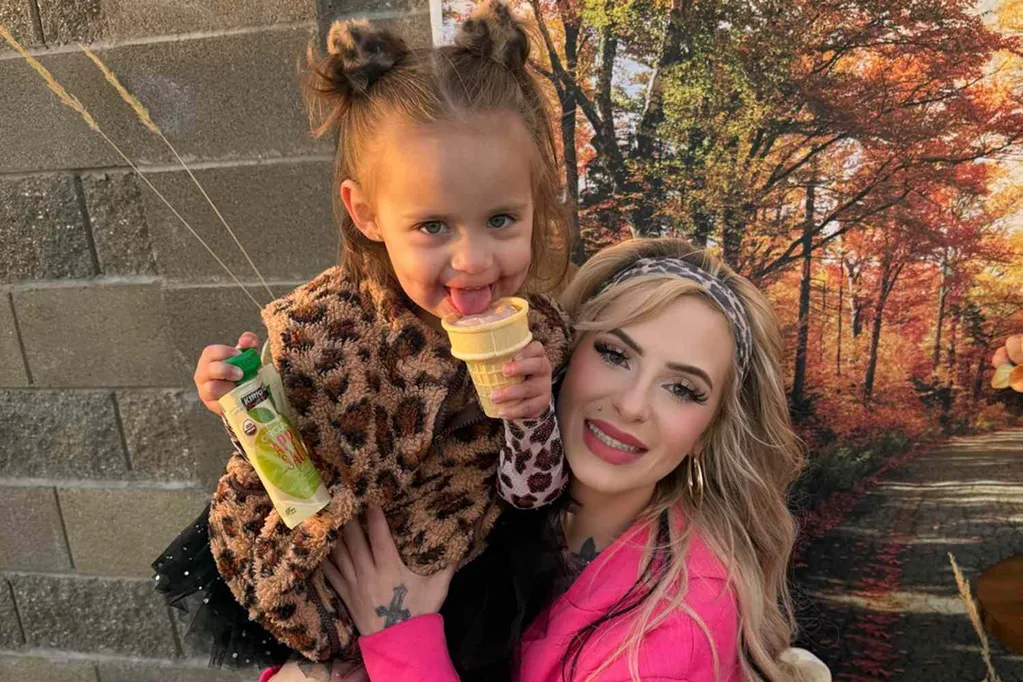
Nageotte's viral TikTok highlights the importance of small accommodations for neurodivergent children to feel safe and understood.
When guests gathered around birthday girl Laylah before she blew out her candles, her mom, Sierrah Nageotte, noticed a change in the toddler's demeanor.
"We originally started singing 'Happy Birthday' in the typical loud, excited way, but Laylah immediately became overwhelmed and upset because she's very sensitive to loud noises," the 28-year-old mom tells PEOPLE.
Sensing her daughter's discomfort, Nageotte stepped in with a quick fix, telling the crowd to "sing quieter." The seemingly simple request, however, made a world of difference.
Although the 3-year-old seemed "overstimulated" and began to cry when guests first started singing, once they dropped to a whisper, her joy couldn't be contained as her smile stretched from ear to ear.
"I suggested everyone sing more quietly and softly instead, and the second we did, she completely lit up and got so excited and happy," Nageotte says. "It was honestly such a small adjustment, but it made such a huge difference for her."
Nageotte captured the moment on camera and later shared the "sweet and genuine moment" on TikTok, where it went viral, garnering over 11 million views.
"Part of why I shared it was because I thought the moment was adorable and kind of funny in a wholesome way, but I also wanted people to see how meaningful small accommodations can be for children with sensory sensitivities," she says. "Sometimes one tiny change can completely change a child's experience."
The Washington-based mom explains that, when Laylah was 2, her daycare "suggested she be screened for autism after noticing sensory struggles and speech delays."
From there, the toddler "started the process of evaluations and therapy." After attending sessions "around eight to 10 times a month for occupational and speech support," Laylah officially received an autism diagnosis.
Nageotte notes that she now tries to focus on "helping prevent sensory overload before it reaches the point of a meltdown."
"Supporting her as a parent mostly means learning her triggers, recognizing when she's becoming overwhelmed and helping her regulate before things become too overstimulating," she shares. "We make accommodations like lowering noise levels, dimming lights, using noise-canceling headphones in loud environments, being mindful of food sensitivities and allowing her space when she needs to decompress."
Since Laylah's diagnosis, the family has learned the power of flexibility and how seemingly small adjustments can have a major impact, like changing the way they approach singing "Happy Birthday."
"The biggest thing I've learned is that accommodations don't 'spoil' children; they help them feel safe, understood and able to participate comfortably," she emphasizes.
After posting the video, Nageotte says she was "overwhelmed" by the responses, but she is "really grateful it opened up conversations about understanding children's needs a little better."
"One thing that really stood out to me after posting the video was how many autistic and neurodivergent adults commented, saying they remembered feeling overwhelmed during birthday songs as children, but instead of being comforted or accommodated, they were punished, embarrassed or told they were overreacting," she tells PEOPLE.
"That honestly broke my heart a little because so many people carry those memories with them into adulthood," she continues. "It made me realize how important it is to listen to children when they're trying to communicate discomfort, even if they can't fully explain it themselves."
She acknowledges that previous generations didn't have the same understanding of autism and other disorders, noting that "most parents weren't intentionally trying to hurt their children," but "simply didn't know what accommodations were possible."
Still, she hopes that moving forward, her video can encourage other parents with neurodivergent children to lead "with compassion, whether they have a diagnosis or not."
"Every child deserves to feel celebrated, comfortable and understood," she adds.