Forbes contributors publish independent expert analyses and insights.
Agents are everywhere at the Final Four here in Indianapolis.
Just walk through the JW Marriott - or most any hotel - and you'll find Name, Image and Likeness agents and agents representing college coaches huddling with reporters, coaches and others with influence in the sport. Heck, I've spoken with a bunch of agents since I've been here.
It's standard business in today's NIL and transfer portal era, where the key questions for college basketball and football programs are are: How much is my NIL budget? And what is the number for Players X,Y and Z in the transfer portal?
But President Trump's new Executive Order signed Friday aims at reforming college sports. Among other things, it would limit athletes to five year of eligibility and one transfer.
It also purports to limit the influence of agents in the sport, which has become pervasive since NIL became legal in 2021, and especially since the $2.8 billion House v. NCAA settlement of 2025.
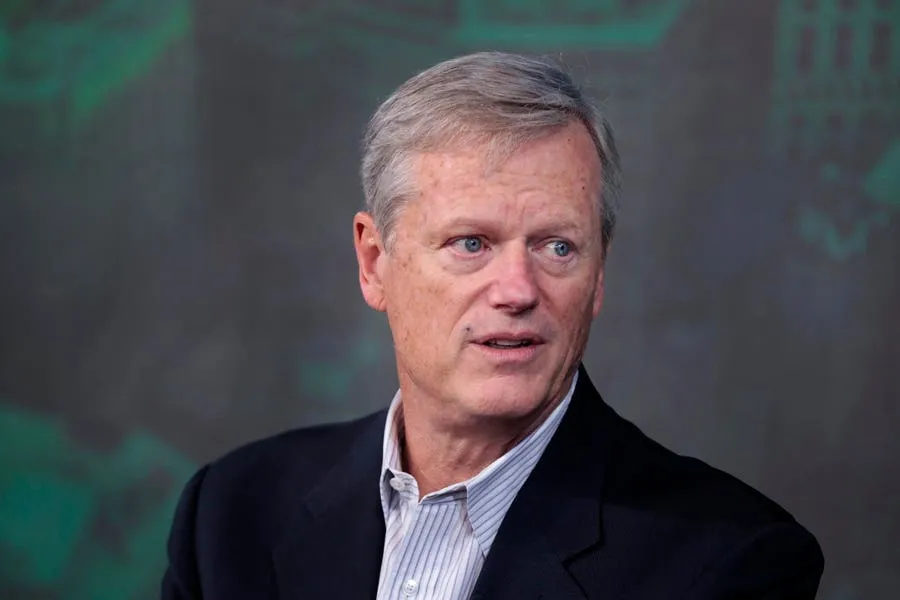
"I've talked to enough people about that issue [agents] in particular, that we are having some pretty interesting conversations with the membership about whether there's some way to create a little less chaos around that for the membership, and, frankly, for the student-athletes as well," NCAA President Charlie Baker said here at the Final Four in response to my question.
"The amount of traffic that takes place in that space is insane."
The portal doesn't officially open until Tuesday, the day after the NCAA championship game, but about 1,000 players have already declared the intent to enter, and some 3,000 could eventually do so, About 2,700 entered last year.
Virtually all of these players have agents who are entertaining bigger NIL numbers for their clients. And if you think these discussions begin on Tuesday when the portal opens, there's a bridge in Brooklyn I want to sell you.
"It's 24/7 365," Baker said. "I talked to coaches, and they've had entire teams that have been bothered the minute they were eliminated from the [NCAA] Tournament. The kids phone started ringing and the texts started coming."
It happens before the Tournament ends, and during the season, too.
"Yes, which we should be able to figure out some way to create a structure that at least makes it challenging to ruin the whole second half of the regular season for kids," Baker said.
Asked for a timetable on when the new Executive Order could be put into effect, Baker targeted later this summer.
"I think the effective date on it is in August, is because some of the agencies need to figure out what responsibilities that are part of the order belong to them," Baker said in response to a question from CNN's Dana O'Neil. "You know, having been a governor, you write executive orders for all sorts of reasons. Sometimes it's to create an opportunity to clarify whatever existing authority you may have at the agency level. Sometimes it's to encourage the legislature to move on those kinds of issues. And I think part of the reason there's a date on that that's fairly far out there is they're probably going to spend some time trying to figure exactly how they might participate in those kinds of things at the agency level because that's really where the implementation would happen."
Still, it's unclear how Trump and the NCAA would enforce limiting the influence of agents without a landslide of lawsuits. It seems more like a pipe dream for them.
"Trying to limit agents in this environment is like trying to regulate conversations in a hotel lobby," said Colin Ram, a South Carolina-based trial attorney known for representing Brian Bowen in his lawsuit against Adidas. "Agents are everywhere, all the time, operating outside any formal channel. As a practical matter, there's no realistic way to monitor or enforce limits on that kind of activity."