The ways that we holiday, travel and navigate the world are continuously changing as time goes on - from new trending destinations cropping up each year to upcoming passport checking technology being introduced to airports.
Leading futurologist Tom Cheesewright has shared his predictions for what the world could be like by 2050, and several outline how travel could change.
Currently, the longest trip most people book might be a two-week break to a long-haul destination, but Tom thinks this might differ in a couple of decades.
Tom estimates the length of our trips away could look different, and instead of frequent short breaks, holidaymakers may be more likely to take fewer but longer holidays.
The expert predicts people could go away for 'anything from one to three months' and combine holiday and work together to enable them to go away for longer.
The way we travel around could change too.
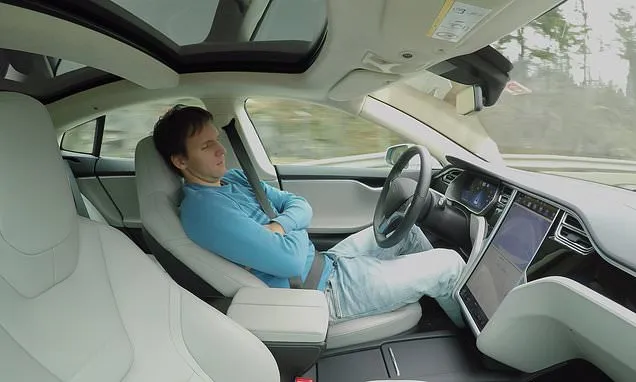
Airport transfers might be driverless, with autonomous vehicles on the horizon, according to Tom.
Level five autonomous vehicles, which are capable of driving without any human intervention, could be 'common in major markets'.
By 2050, the impressive technology could be reliably supplying door-to-door services despite almost any weather condition.
The futurologist sees electric-powered flights, especially for short-haul journeys, instead of the current set up, in the future too.
For long-haul trips, Tom thinks we will be powered by a mixture of fossil and sustainable fuels.
Flights won't be staying 35,000 feet high either.
In fact, they could go even further, according to the futurologist.
Suborbital trips could be reachable for wealthy travellers by 2050 as well as a geostationary hotel with a zero-gravity spa.
Meanwhile, petrol and diesel cars will have 'mostly disappeared' from roads, Tom thinks, and any combustion vehicles left will be using synthetic fuels.
Instead, electric vehicles will be able to travel even further and exceed 1,000 miles of range.
Tom comments: 'It's become fashionable to bemoan a future dominated by AI, robotics and relentless technological change, but really, we have a lot to look forward to.
'When you take a step back and look at the progress we've made so far in the 21st century, from decoding the human genome to renewable energies becoming the fastest-growing power sources, it's clear that human ingenuity has the power to outpace pessimism.
'Across every industry, from healthcare and housing to retail and travel, we're seeing the early signs today of breakthroughs that promise to change our lives for the better.'
'If we back these bold ambitions, harness these innovations, the next 24 years have the potential to be the greatest era of human progress in our long history.'